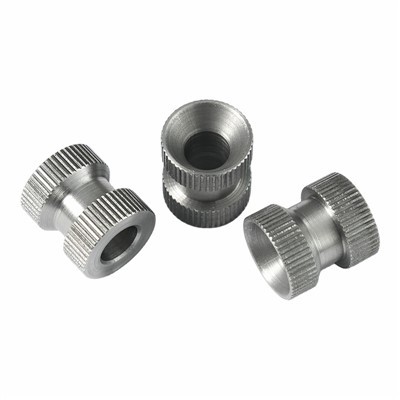

Hey there! As a copper turning supplier, I'm here to share with you how copper turnings can be a game - changer in wastewater treatment.
What are Copper Turnings?
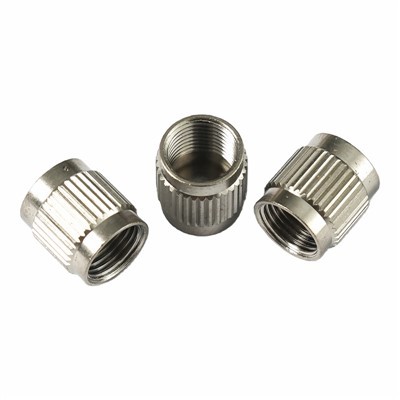
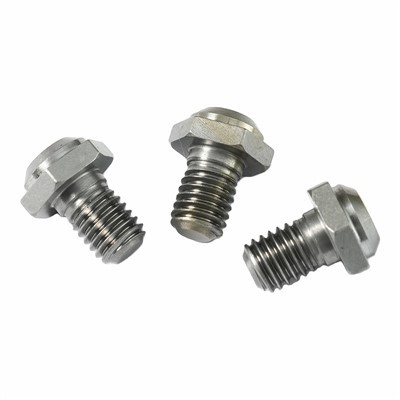
First off, let's talk about what copper turnings are. Copper turnings are small, thin pieces of copper that are produced during the machining process. They're like little shavings of this super - useful metal. You can check out Copper Metal Turning to get a better idea of what they look like and their various applications.
Why Copper Turnings in Wastewater Treatment?
Copper has some pretty cool properties that make it great for dealing with wastewater. One of the main reasons is its reactivity. Copper can react with a lot of different substances in wastewater. For example, it can react with heavy metals. Heavy metals like lead, mercury, and cadmium are often found in industrial wastewater, and they're super harmful to the environment and human health.
When copper turnings are added to wastewater, they can displace these heavy metals through a process called redox reaction. In simple terms, the copper gives up some of its electrons to the heavy metal ions, causing the heavy metals to come out of the solution and form solid particles. These particles can then be easily removed from the water.
Another reason is that copper has antimicrobial properties. Bacteria and other microorganisms can be a big problem in wastewater. They can cause bad odors, and some of them can even be pathogenic. Copper turnings can help kill these microorganisms, making the water safer and cleaner.
How to Use Copper Turnings in Wastewater Treatment
1. Pretreatment
Before adding copper turnings to the wastewater, it's important to do some pretreatment. This might involve filtering out large particles like debris, leaves, or other solid materials. You can use a simple screen or a more advanced filtration system depending on the nature of the wastewater. This step helps prevent the copper turnings from getting clogged with large particles and ensures that they can work effectively.
2. Dosage
Figuring out the right amount of copper turnings to add is crucial. The dosage depends on a few factors, such as the volume of the wastewater, the concentration of the contaminants, and the type of contaminants. In general, you'll need to start with a small amount and then adjust based on the results. You can do some small - scale tests to see how the copper turnings react with the wastewater and determine the optimal dosage.
3. Mixing
Once you've added the copper turnings to the wastewater, you need to make sure they're well - mixed. You can use a mechanical stirrer or an aeration system to ensure that the copper turnings are evenly distributed throughout the water. This helps maximize the contact between the copper and the contaminants, making the treatment process more efficient.
4. Settling and Separation
After the copper turnings have had time to react with the contaminants, the next step is to let the water settle. The solid particles that have formed, including the displaced heavy metals and any other precipitates, will sink to the bottom of the tank. You can then separate the clean water from the sediment. This can be done using a sedimentation tank or a filtration system.
Types of Copper Turnings for Wastewater Treatment
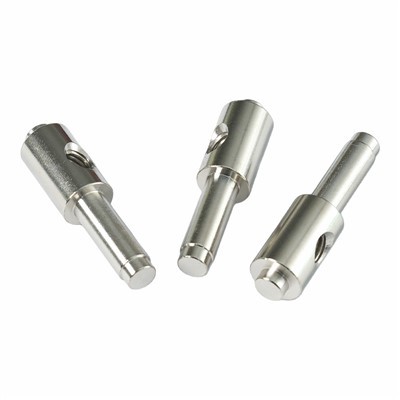
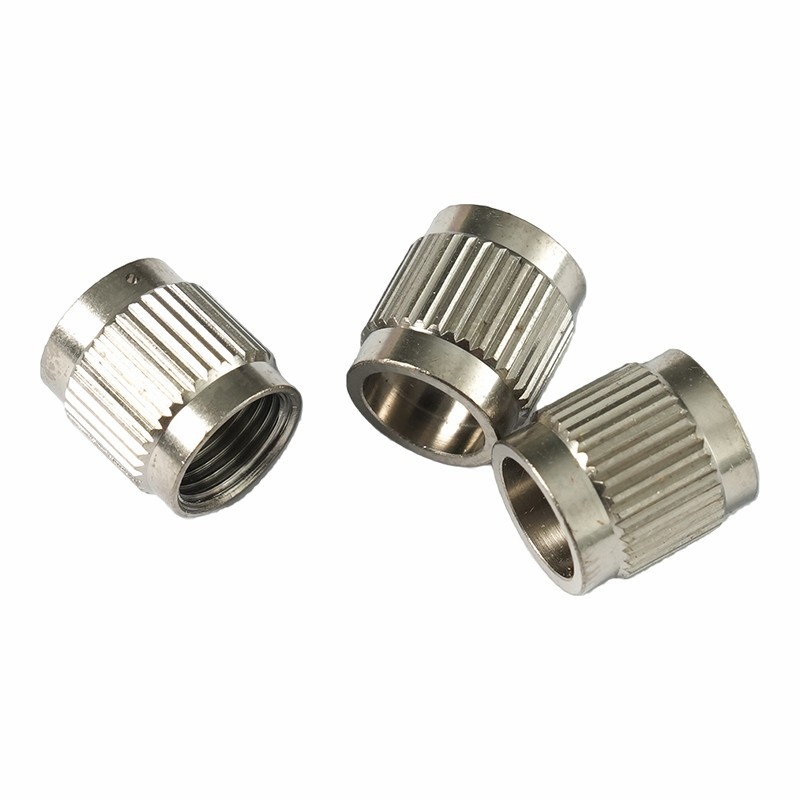
There are different types of copper turnings that can be used in wastewater treatment. Plated Copper Turned Parts can be a good option. These turnings have a coating that can enhance their performance in certain situations. For example, a plated coating might make the turnings more resistant to corrosion, which can be important if the wastewater is acidic or contains other corrosive substances.
Brass CNC Turned Parts are also worth considering. Brass is an alloy of copper and zinc, and it can offer some unique properties. The zinc in brass can sometimes enhance the reactivity of the turnings, making them more effective at removing certain contaminants.

Advantages of Using Copper Turnings in Wastewater Treatment
- Cost - effective: Copper is a relatively inexpensive metal compared to some other materials used in wastewater treatment. And since copper turnings are a by - product of the machining process, they can be a cost - efficient solution.
- Environmentally friendly: Using copper turnings helps reduce the amount of heavy metals and harmful microorganisms in the wastewater, which is great for the environment. It also reduces the need for harsh chemicals that can have negative impacts on the ecosystem.
- Easy to use: The process of using copper turnings in wastewater treatment is relatively simple. You don't need a lot of specialized equipment or highly trained personnel to carry out the treatment.
Challenges and Solutions
Of course, there are some challenges when using copper turnings in wastewater treatment. One of the main challenges is the potential for copper to leach into the water. If too much copper is released into the water, it can also be harmful. To solve this problem, you can use a monitoring system to keep track of the copper concentration in the water. If the copper level gets too high, you can adjust the dosage of the copper turnings or use a copper - removal system.
Another challenge is that the reactivity of copper turnings can decrease over time. This is because the surface of the turnings can become coated with the contaminants they've reacted with. To overcome this, you can periodically replace the copper turnings or use a process to clean the turnings and restore their reactivity.
Conclusion
In conclusion, copper turnings are a great option for wastewater treatment. They offer a cost - effective, environmentally friendly, and easy - to - use solution for removing heavy metals and microorganisms from wastewater. Whether you're dealing with industrial wastewater or municipal wastewater, copper turnings can play an important role in making the water cleaner and safer.
If you're interested in using copper turnings for your wastewater treatment needs, I'd love to have a chat with you. We can discuss your specific requirements and find the best solution for you. Don't hesitate to reach out and start a conversation about how we can work together to improve your wastewater treatment process.
References
- Smith, J. (2018). "The Use of Metals in Wastewater Treatment." Journal of Environmental Science.
- Johnson, A. (2019). "Copper - Based Treatment Methods for Industrial Wastewater." Water Research.