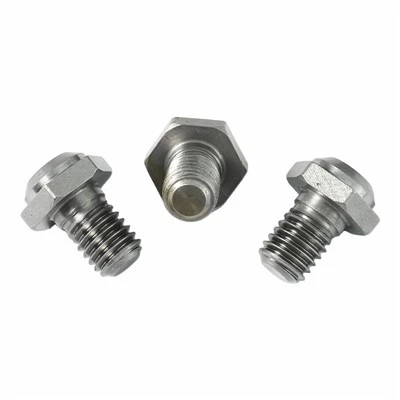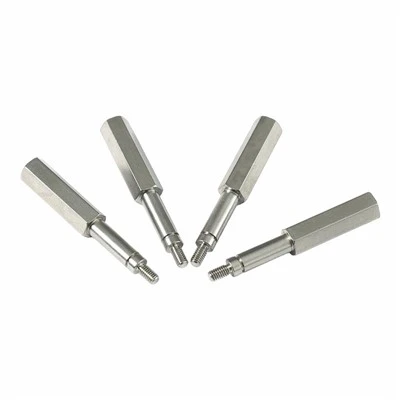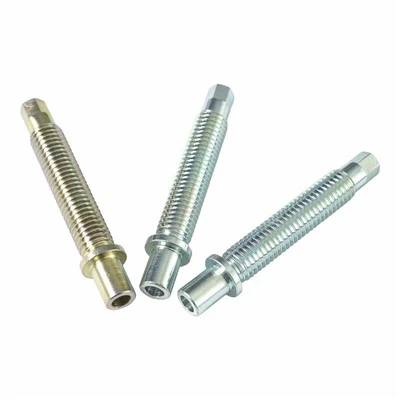
Product Overview
Custom CNC plastic turned parts are precision-machined polymer components manufactured from high-performance engineering plastics via advanced CNC turning and Swiss-type machining centers. Engineered for custom OEM applications, these components deliver tight tolerances and complex cylindrical geometries without the high initial tooling investments associated with injection molding. This makes CNC turning the optimal manufacturing route for functional prototypes, low-to-medium-volume production runs, and replacement parts requiring strict dimensional stability and superior surface finishes.
Machining Processes: CNC Turning, Swiss-Type Turning, Turn-Milling, and Secondary Operations.
Machining Diameter Range: 1 mm to 300 mm (machine and geometry dependent).
Maximum Machining Length: Up to 1,000 mm.
Achievable Dimensional Tolerances: ±0.01 mm (governed by material grade, part geometry, and wall thickness).
Production Volumes: Prototypes, low-to-medium-volume batches, and scheduled recurring orders.
Supported Engineering Plastics: POM, PTFE, PEEK, PA6, PA66, UHMW-PE, PC, PMMA, and specialized machinable thermoplastics。
-
![POM Plastic Turning Parts]() POM Plastic Turning PartsHeat Resistance: Continuous working temperature above 100°C, suitable for various operating conditions.. Wear Resistance: Excellent self-lubrication and low friction coefficient, extending component
-
![PEEK Machined Parts]() PEEK Machined PartsHigh Temperature Resistance: Continuous operating temperature up to 260°C, suitable for extreme environments.. High Strength & Rigidity: Excellent mechanical performance comparable to metal materials.
-
![CNC Machined Plastic Parts]() CNC Machined Plastic PartsHeat & Wear Resistance: Continuous operating temperature above 100°C, with excellent self-lubrication and low friction.. Excellent Machinability: Ideal for efficient production of complex structural


Key Features & Benefits
Zero Tooling Investment: Direct programming from CAD models eliminates costly mold fabrication, accelerating engineering prototyping and rapid design iterations.
Tailored Friction & Wear Characteristics: Material selection options (such as PTFE, POM, and UHMW-PE) provide engineered self-lubricating properties suited to specific contact pressures and sliding speeds.
Electrical & Thermal Insulation: High dielectric strength and low thermal conductivity make these parts reliable for insulating spacers, electronic housings, and thermal breaks.
Aggressive Chemical Resistance: Selected polymers withstand exposure to industrial acids, alkalis, and solvents that typically corrode metallic alternatives.
Optimized Lightweight Design: Significant density reductions compared to brass, aluminum, or steel lower inertial loads in high-speed mechanical assemblies.
Materials & Technical Specifications
Selecting the correct engineering polymer is vital for long-term component reliability. We evaluate and machine a wide spectrum of plastics tailored to specific mechanical, thermal, and chemical service environments:
|
Material Grade |
Key Mechanical & Thermal Characteristics |
Typical Industrial Applications |
|
POM (Acetal) |
High stiffness, low friction, low moisture absorption, exceptional dimensional stability |
Precision bushings, rollers, gears, spacers, and actuator components |
|
PTFE |
Extreme chemical inertness, lowest coefficient of friction, operating range from -200°C to +260°C |
Valve seats, chemical fluid seals, gaskets, and specialized fluidic parts |
|
PEEK |
Superior mechanical strength, continuous use temperature up to +250°C, excellent radiation resistance |
Downhole oil tools, semiconductor wafer handling pins, high-load industrial hardware |
|
Nylon (PA6 / PA66) |
High mechanical toughness, excellent impact resistance, good fatigue strength |
Heavy-duty pulleys, sliding wear pads, structural insulators |
|
UHMW-PE |
Outstanding impact strength, superior abrasion resistance, self-lubricating surface |
Conveyor guide rails, marine wear strips, food processing star wheels |
|
PC / PMMA |
High impact resistance (PC) or optical transparency and weatherability (PMMA) |
Inspection windows, protective sight glasses, instrumentation covers |
Manufacturing Capabilities
Precision polymer machining requires specialized process parameters to manage the thermal and mechanical behaviors of engineering plastics:

Equipment Setup
Multi-axis CNC turning centers and Swiss-type lathes equipped with live tooling and bar feeders for efficient production of complex rotational geometries.
Thin-Wall & Distortion Control
Utilization of sharp, polished carbide cutting tools, optimized fluid cooling, minimal clamping forces, and light finishing passes to prevent thermal distortion and burr formation in thin-walled bushings.


Integrated Secondary Operations
Internal threading, reaming, precision boring, cross-drilling, knurling, and deburring to streamline production schedules.
Controlled Stress-Relief Annealing
Post-machining thermal annealing cycles applied to high-stress polymers (such as PEEK and thick-section POM) to ensure long-term dimensional stability.

Quality Control
Every production batch is backed by systematic verification protocols tailored to drawing requirements:
Inspection Instruments
Calibrated micrometers, digital calipers, bore gauges, optical comparators, laser measuring tools, and 3D coordinate measuring systems (CMM).
Process Verification
First-Article Inspection (FAI) reports and in-process Statistical Process Control (SPC) monitoring on critical dimensions.
Material Traceability
Full material lot tracking supported by manufacturer Mill Test Certificates (MTC) and compliance documentation.
Quality Compliance
Manufactured under an ISO 9001 certified quality management system; raw materials compliant with RoHS, REACH, and FDA standards upon specification.
Applications
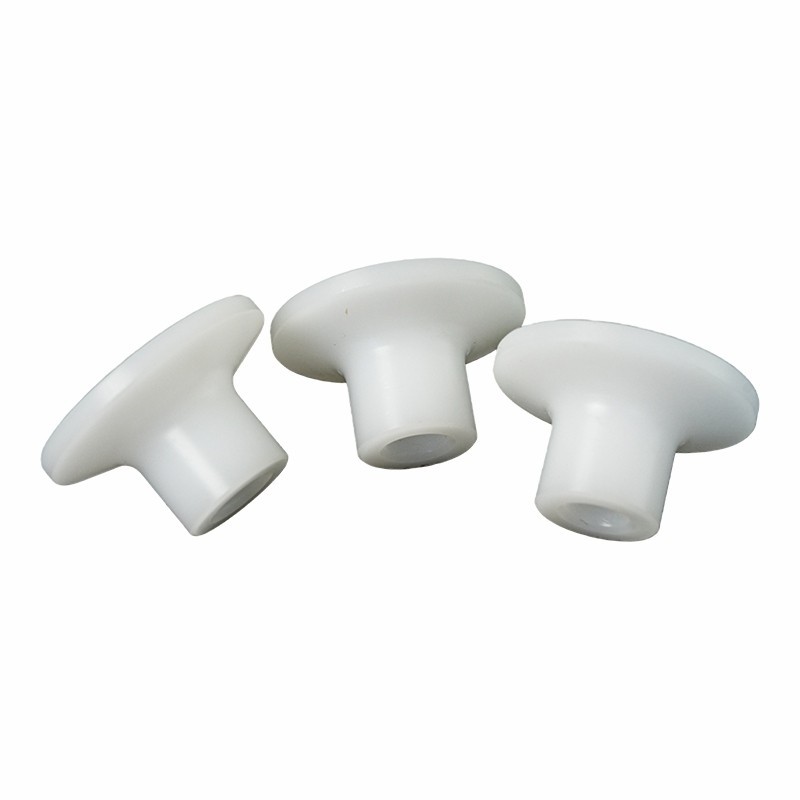
-
Industrial Automation & Machinery
Guide rollers, sliding bushings, timing pulleys, spacers, and positioning components.
-
Fluid Control Systems
Valve seats, pump rotors, multi-port impellers, and custom threaded fittings for corrosive chemical processing.
-
Medical & Analytical Devices
Fluid manifolds, diagnostic equipment housings, pump parts, and single-use adaptor components.
-
Semiconductor Equipment
Wet bench components, electrical isolation pillars, wafer processing guide pins, and vacuum chamber seals.
Accepted Engineering Formats: STEP, IGES, SolidWorks (.sldprt), DXF, and 2D manufacturing drawings incorporating GD&T (Geometric Dimensioning and Tolerancing).
Design-for-Manufacturing (DFM) Support: Pre-production engineering reviews addressing thin-wall risks, internal radii, shrink allowances, and workholding constraints.
Surface Finishes & Identification
Laser engraving for permanent part numbers and batch codes; specialized cleaning and packaging tailored for cleanroom or sensitive sectors.
Protective Packaging
Individual vacuum-sealed trays or anti-static wrapping designed to prevent surface scratching and transit damage for soft polymers.
Project Review
Submit your engineering drawings and material requirements for a detailed manufacturing feasibility review and quotation.
Frequently Asked Questions
We're well-known as one of the leading plastic turned parts manufacturers and suppliers in China, featured by quality products and good service. Please rest assured to buy customized plastic turned parts made in China here from our factory. Contact us for more details.
PEEK Machined Parts, POM Plastic Turning Parts, cnc turning