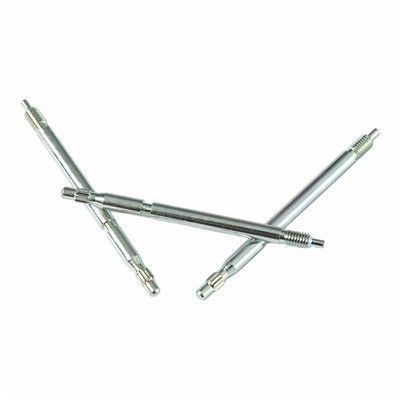

In the aerospace industry, the choice of materials for components is a critical decision that can significantly impact the performance, safety, and reliability of aircraft and spacecraft. One material that often comes under consideration is the nickel-plated steel shaft. As a supplier of Nickel Plated Steel Shafts, I am frequently asked whether these shafts can be used in aerospace applications. In this blog post, I will delve into the properties of nickel-plated steel shafts, their advantages and limitations in aerospace, and the factors to consider when determining their suitability.
Properties of Nickel Plated Steel Shafts
Nickel plating is a process that involves depositing a layer of nickel onto the surface of a steel shaft. This process offers several benefits that make it an attractive option for aerospace applications.
Corrosion Resistance
One of the primary advantages of nickel plating is its excellent corrosion resistance. In the aerospace environment, components are exposed to a variety of harsh conditions, including high humidity, saltwater, and chemicals. The nickel layer acts as a barrier, protecting the underlying steel from corrosion and extending the lifespan of the shaft. This is particularly important for components that are used in areas where corrosion can lead to structural failure, such as landing gear, engine components, and control systems.
Wear Resistance
Nickel plating also provides improved wear resistance. In aerospace applications, shafts are often subjected to high levels of friction and wear due to the constant movement of components. The hard nickel layer reduces friction and wear, increasing the durability of the shaft and reducing the need for frequent maintenance and replacement. This is especially beneficial for components that are used in high-speed rotating applications, such as turbines and pumps.
Electrical Conductivity
Nickel is a good conductor of electricity, which makes nickel-plated steel shafts suitable for applications where electrical conductivity is required. In aerospace, electrical conductivity is important for components such as electrical connectors, switches, and sensors. The nickel layer provides a reliable electrical connection, ensuring the proper functioning of these components.
Aesthetic Appeal
In addition to its functional properties, nickel plating also offers aesthetic benefits. The shiny, smooth surface of nickel-plated steel shafts gives them a professional and attractive appearance, which can be important for applications where the appearance of the component is a consideration.
Advantages of Nickel Plated Steel Shafts in Aerospace Applications
Cost-Effectiveness
Compared to other materials commonly used in aerospace, such as titanium and aluminum, nickel-plated steel shafts are relatively cost-effective. Steel is a widely available and inexpensive material, and the nickel plating process is relatively simple and inexpensive compared to other surface treatments. This makes nickel-plated steel shafts a cost-effective option for aerospace applications, especially for components that do not require the high strength and lightweight properties of titanium or aluminum.
High Strength
Steel is a strong and durable material, and the addition of a nickel layer further enhances its strength and hardness. Nickel-plated steel shafts can withstand high levels of stress and load, making them suitable for applications where high strength is required. This is particularly important for components that are used in critical applications, such as landing gear and engine components.
Compatibility with Other Materials
Nickel-plated steel shafts are compatible with a wide range of other materials, including aluminum, titanium, and composites. This makes them easy to integrate into existing aerospace systems and allows for the use of different materials in combination to achieve the desired performance characteristics.
Limitations of Nickel Plated Steel Shafts in Aerospace Applications
Weight
One of the main limitations of nickel-plated steel shafts is their weight. Steel is a relatively heavy material compared to other materials commonly used in aerospace, such as aluminum and titanium. This can be a disadvantage for applications where weight is a critical factor, such as in aircraft and spacecraft design. However, the weight of nickel-plated steel shafts can be reduced by using thinner wall thicknesses or by using hollow shafts.
Galvanic Corrosion
When nickel-plated steel shafts are used in contact with other metals, there is a risk of galvanic corrosion. Galvanic corrosion occurs when two different metals are in contact with each other in the presence of an electrolyte, such as water or saltwater. The more noble metal (in this case, nickel) acts as a cathode, and the less noble metal (in this case, steel) acts as an anode. This can lead to the corrosion of the steel shaft and the degradation of its performance. To prevent galvanic corrosion, it is important to use appropriate insulation or coatings between the nickel-plated steel shaft and other metals.
Fatigue Resistance
While nickel-plated steel shafts have good strength and hardness, they may have limited fatigue resistance compared to other materials. Fatigue is the process by which a material fails under repeated loading, and it is a common problem in aerospace applications. To improve the fatigue resistance of nickel-plated steel shafts, it is important to use appropriate heat treatment and surface finishing techniques.
Factors to Consider When Using Nickel Plated Steel Shafts in Aerospace Applications
Application Requirements
The first factor to consider when using nickel-plated steel shafts in aerospace applications is the specific requirements of the application. This includes the operating conditions, such as temperature, pressure, and humidity, as well as the load and stress requirements. For example, if the application requires high strength and wear resistance, a nickel-plated steel shaft with a thick nickel layer may be suitable. If the application requires low weight and high corrosion resistance, a thinner nickel layer or a different material may be more appropriate.
Material Compatibility
As mentioned earlier, nickel-plated steel shafts can be compatible with a wide range of other materials, but it is important to ensure that the materials are compatible in terms of their chemical and physical properties. This includes considering the potential for galvanic corrosion and the need for appropriate insulation or coatings.
Manufacturing Processes
The manufacturing processes used to produce nickel-plated steel shafts can also affect their performance and quality. It is important to use high-quality steel and to ensure that the nickel plating process is carried out correctly. This includes using the appropriate plating thickness, surface finish, and heat treatment.
Quality Control
Finally, it is important to implement a comprehensive quality control program to ensure that the nickel-plated steel shafts meet the required specifications and standards. This includes inspecting the shafts for defects, such as cracks, porosity, and uneven plating, and testing them for performance and reliability.
Conclusion
In conclusion, nickel-plated steel shafts can be used in aerospace applications, but their suitability depends on a variety of factors, including the specific requirements of the application, the material compatibility, the manufacturing processes, and the quality control. As a supplier of Nickel Plated Steel Shafts, we have the expertise and experience to provide high-quality shafts that meet the needs of the aerospace industry. If you are considering using nickel-plated steel shafts in your aerospace application, we encourage you to contact us to discuss your requirements and to learn more about our products and services.
Call to Action
If you are interested in purchasing Nickel Plated Steel Shafts for your aerospace application, or if you have any questions or concerns, please contact us. Our team of experts will be happy to assist you and to provide you with the information and support you need. We look forward to working with you to meet your aerospace component needs.
References
- ASM Handbook, Volume 5: Surface Engineering, ASM International, 2007.
- Aerospace Materials Handbook, SAE International, 2010.
- Corrosion in Aerospace Structures: Causes, Mechanisms, and Prevention, Elsevier, 2015.
Throughout the blog, you can insert the provided hyperlinks at appropriate places. For example:
If you are looking for high-quality components, you might be interested in our CNC Precision Turned Parts, Precision CNC Turned Components, and Carbon Steel CNC Turning Parts. These products are manufactured with the same precision and quality as our Nickel Plated Steel Shafts.