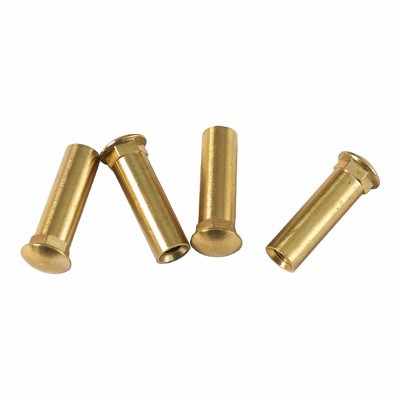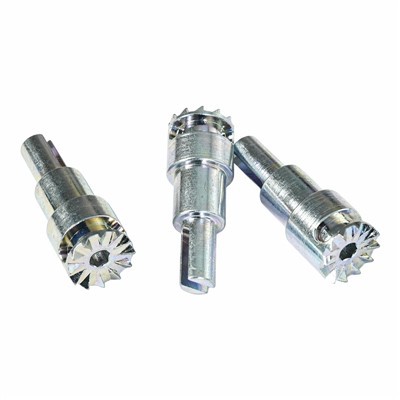

In the world of manufacturing, Computer Numerical Control (CNC) turning stands as a cornerstone process, enabling the production of high - precision components with remarkable efficiency. As a leading CNC turning supplier, I understand the critical importance of ensuring high repeatability in CNC turning operations. Repeatability is not just a technical term; it is the key to delivering consistent quality, meeting customer expectations, and maintaining a competitive edge in the market.
Understanding Repeatability in CNC Turning
Repeatability in CNC turning refers to the ability of a machine to produce multiple parts with the same dimensions, surface finish, and other quality characteristics within a specified tolerance range. It is a measure of how consistently a CNC turning process can reproduce the same results over time. High repeatability is essential for several reasons. Firstly, it ensures that the parts produced meet the exact specifications required by the customer, which is crucial for applications where precision is paramount, such as in the aerospace, automotive, and medical industries. Secondly, it reduces waste and rework, as parts that are consistently within tolerance are less likely to be rejected. Finally, it enhances the overall efficiency of the manufacturing process, as the need for frequent adjustments and quality checks is minimized.
Factors Affecting Repeatability in CNC Turning
Several factors can influence the repeatability of a CNC turning process. Understanding these factors is the first step towards ensuring high repeatability.
Machine Tool Accuracy
The accuracy of the CNC turning machine itself is a fundamental factor. A machine with high - precision components, such as a well - calibrated spindle, accurate linear guides, and a reliable control system, is more likely to produce parts with high repeatability. Regular maintenance and calibration of the machine are essential to maintain its accuracy over time. For example, the spindle should be checked for runout regularly, and any deviations should be corrected promptly.
Tooling
The quality and condition of the cutting tools used in CNC turning play a significant role in repeatability. Worn or damaged tools can cause variations in the dimensions and surface finish of the parts. It is important to use high - quality tools and to monitor their wear during the machining process. Tool wear can be managed by implementing a tool management system that includes regular tool changes based on the number of parts produced or the cutting time.
Workpiece Material
The properties of the workpiece material can also affect repeatability. Different materials have different machining characteristics, such as hardness, ductility, and thermal conductivity. For example, materials with high hardness may require more aggressive cutting parameters, which can lead to increased tool wear and reduced repeatability. It is important to select the appropriate cutting parameters based on the material being machined. Additionally, the consistency of the material properties, such as the chemical composition and grain structure, can also impact repeatability.
Programming
The CNC program used to control the turning process is another critical factor. A well - written program should take into account all the variables involved in the machining process, such as the cutting speed, feed rate, and depth of cut. The program should also be optimized to minimize the number of tool changes and to ensure smooth and efficient machining. Any errors or inconsistencies in the program can lead to variations in the part quality.
Strategies for Ensuring High Repeatability
Machine Maintenance and Calibration
Regular maintenance of the CNC turning machine is essential for ensuring high repeatability. This includes cleaning the machine, lubricating the moving parts, and checking the alignment of the axes. Calibration should be performed at regular intervals to ensure that the machine is operating within the specified accuracy. For example, the machine's position accuracy can be checked using a laser interferometer, and any deviations can be corrected by adjusting the control system.
Tool Management
As mentioned earlier, tool management is crucial for repeatability. A comprehensive tool management system should be implemented to ensure that the cutting tools are in good condition and are replaced at the appropriate time. This can involve monitoring the tool wear using tool wear sensors or by performing regular visual inspections. Additionally, the tooling should be stored properly to prevent damage and to ensure its longevity.


Material Selection and Preparation
When selecting the workpiece material, it is important to choose a material with consistent properties. This can be achieved by working with reliable suppliers and by performing material testing before machining. The material should also be properly prepared before machining, such as by removing any surface contaminants or by heat - treating the material to achieve the desired properties.
Process Optimization
Optimizing the CNC turning process is essential for ensuring high repeatability. This can involve using advanced programming techniques, such as adaptive control, which adjusts the cutting parameters in real - time based on the machining conditions. Additionally, the process should be optimized to minimize the cycle time while maintaining the required quality. This can be achieved by using high - speed machining techniques and by reducing the number of non - cutting operations.
Quality Control
Implementing a comprehensive quality control system is crucial for ensuring high repeatability. This can involve performing in - process inspections using measurement devices such as calipers, micrometers, and coordinate measuring machines (CMMs). The inspection results should be used to identify any variations in the part quality and to make the necessary adjustments to the machining process. Additionally, statistical process control (SPC) techniques can be used to monitor the process and to detect any trends or patterns that may indicate a potential problem.
Real - World Examples and Applications
In the aerospace industry, high repeatability in CNC turning is essential for the production of critical components such as turbine blades and engine shafts. These components require extremely high precision and consistency to ensure the safe and efficient operation of the aircraft. For example, a single turbine blade must be produced with the exact same dimensions and surface finish as the others in the engine to maintain the balance and performance of the turbine.
In the automotive industry, CNC turning is used to produce a wide range of components, such as pistons, crankshafts, and gears. High repeatability is necessary to ensure the proper fit and function of these components in the vehicle. For instance, a piston must be machined to the exact specifications to ensure a proper seal in the cylinder, which is crucial for the engine's performance and fuel efficiency.
Our Offerings as a CNC Turning Supplier
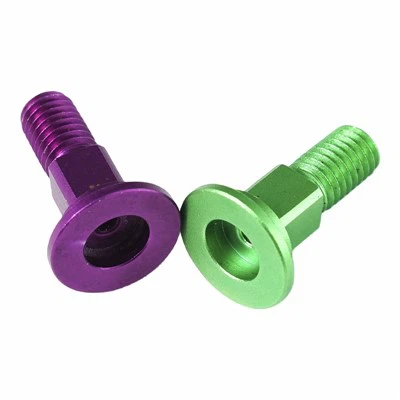
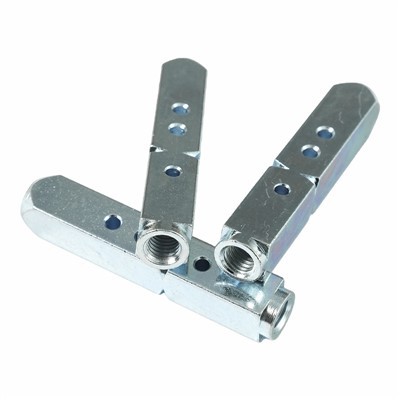
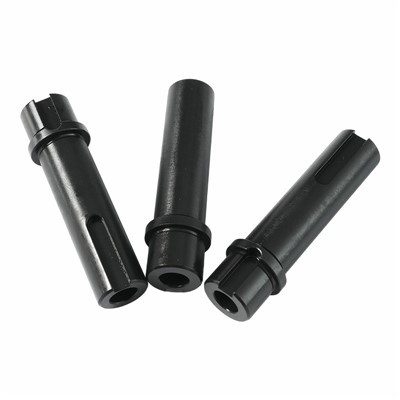
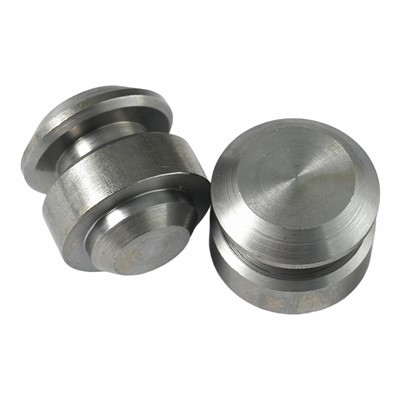
As a CNC turning supplier, we are committed to providing high - quality, repeatable parts to our customers. We offer a wide range of CNC turning services, including the production of Anodized Aluminum Turned Parts, CNC Machined Plastic Parts, and CNC Turning Steel Parts. Our state - of - the - art CNC turning machines are equipped with the latest technology and are regularly maintained and calibrated to ensure high accuracy and repeatability.
We also have a team of experienced engineers and technicians who are dedicated to optimizing the machining process and ensuring the highest quality of our products. We use advanced programming techniques and quality control measures to ensure that each part we produce meets the exact specifications of our customers.
Contact Us for Your CNC Turning Needs
If you are in need of high - quality, repeatable CNC turned parts, we invite you to contact us for a detailed discussion. Our team is ready to work with you to understand your specific requirements and to provide you with the best possible solution. Whether you need a small batch of prototypes or a large - scale production run, we have the expertise and resources to meet your needs.
References
- Smith, J. (2018). Precision Machining: Principles and Applications. Publisher X.
- Jones, A. (2019). CNC Turning Handbook. Publisher Y.
- Brown, C. (2020). Quality Control in Manufacturing. Publisher Z.