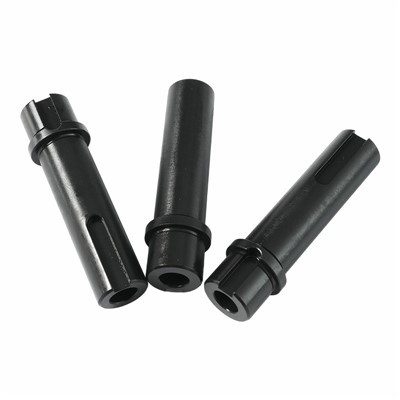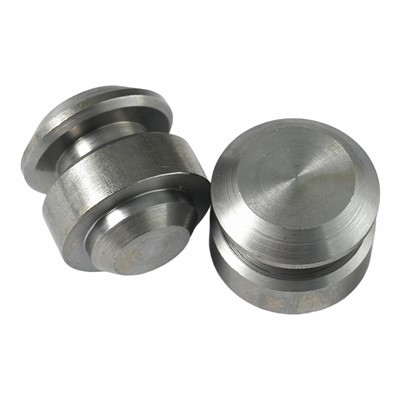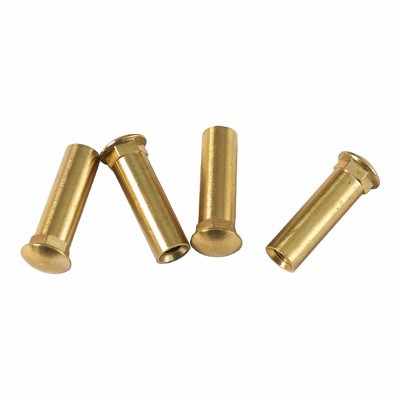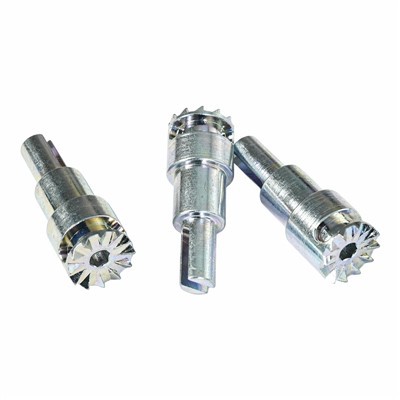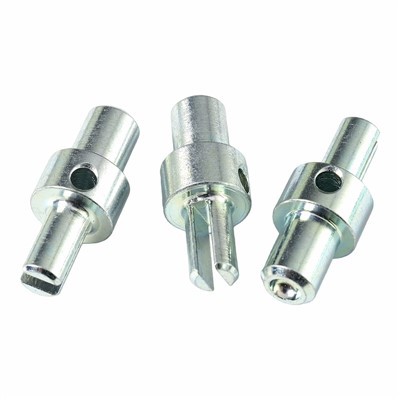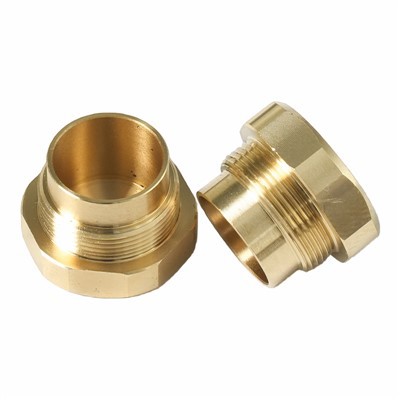

Hey there! As a supplier of Precision Machined Components, I've been getting a lot of questions lately about the porosity requirements for these parts. So, I thought I'd dive into this topic and share some insights.
Let's start by understanding what porosity is. In simple terms, porosity refers to the presence of small holes or voids within a material. These pores can occur during the manufacturing process, and their size, shape, and distribution can vary widely. Now, why does porosity matter in precision machined components? Well, it can have a significant impact on the performance, durability, and overall quality of the parts.
Impact of Porosity on Precision Machined Components
Mechanical Properties
One of the most critical aspects affected by porosity is the mechanical properties of the components. Pores can act as stress concentrators, which means they can reduce the strength and fatigue resistance of the material. For example, in a high-stress application like an engine part, even a small amount of porosity can lead to premature failure. This is because the pores can cause cracks to initiate and propagate under load, ultimately leading to the breakdown of the component.
Surface Finish
Porosity can also affect the surface finish of precision machined components. When a part has pores on its surface, it can result in a rough or uneven finish. This not only affects the aesthetic appearance of the part but can also have functional implications. For instance, in applications where a smooth surface is required for proper sealing or friction control, porosity can cause leaks or increased wear.
Corrosion Resistance
Another important factor is corrosion resistance. Pores can provide pathways for corrosive agents to penetrate the material, leading to rust and degradation over time. This is especially problematic in environments where the components are exposed to moisture, chemicals, or other corrosive substances. For example, in marine applications, porosity can significantly reduce the lifespan of the components.
Requirements for Porosity
Now that we understand the impact of porosity, let's talk about the requirements. The porosity requirements for precision machined components can vary depending on several factors, including the application, the material used, and the manufacturing process.
Application-Specific Requirements
Different applications have different tolerance levels for porosity. For example, in aerospace applications, where safety and reliability are of utmost importance, the porosity requirements are typically very strict. Components used in aircraft engines or structural parts need to have extremely low porosity to ensure their performance and integrity. On the other hand, in less critical applications, such as consumer products, the porosity requirements may be more lenient.
Material Considerations
The type of material used also plays a crucial role in determining the porosity requirements. Some materials are more prone to porosity than others. For example, cast metals like aluminum and iron often have higher levels of porosity compared to forged or machined materials. In these cases, additional processing steps may be required to reduce the porosity to an acceptable level.


Manufacturing Process
The manufacturing process can also influence the porosity of the components. For instance, in casting processes, factors such as the pouring temperature, the mold design, and the solidification rate can all affect the formation of pores. On the other hand, machining processes like CNC turning can produce parts with relatively low porosity if the cutting parameters are properly optimized.
Controlling Porosity in Precision Machined Components
As a supplier, we take several steps to control the porosity of our precision machined components.
Material Selection
We carefully select the materials based on the application requirements and the desired porosity levels. For example, if a high-strength and low-porosity component is needed, we may choose a forged or machined material over a cast one.
Process Optimization
We also optimize our manufacturing processes to minimize porosity. In casting processes, we use techniques such as vacuum casting or pressure casting to reduce the formation of pores. In machining processes, we carefully control the cutting parameters, such as the cutting speed, feed rate, and depth of cut, to ensure a smooth and uniform surface finish.
Quality Control
Finally, we have a rigorous quality control system in place to ensure that our components meet the required porosity standards. We use non-destructive testing methods, such as ultrasonic testing and X-ray inspection, to detect any internal pores or defects. If a component fails to meet the porosity requirements, we take corrective actions, such as reworking or scrapping the part.
Our Product Range
We offer a wide range of precision machined components, including Carbon Steel Parts, CNC Turning Steel Parts, and Carbon Steel CNC Turning Parts. All of our products are manufactured to the highest quality standards, with strict control over porosity and other critical parameters.
Contact Us for Procurement
If you're in the market for precision machined components and have specific porosity requirements, we'd love to hear from you. Our team of experts can work with you to understand your needs and provide customized solutions. Whether you need a small batch of prototypes or a large production run, we have the capabilities and experience to meet your requirements. So, don't hesitate to reach out and start a conversation about your procurement needs.
References
- "Materials Science and Engineering: An Introduction" by William D. Callister Jr. and David G. Rethwisch
- "Manufacturing Engineering and Technology" by Serope Kalpakjian and Steven R. Schmid