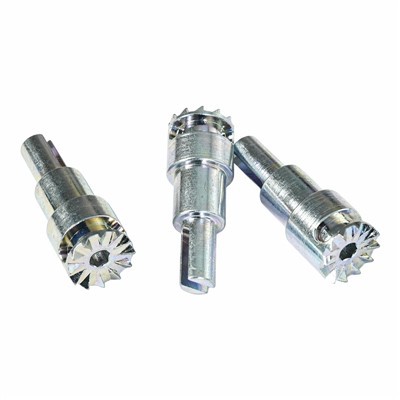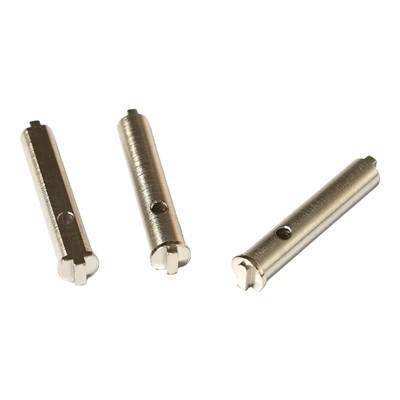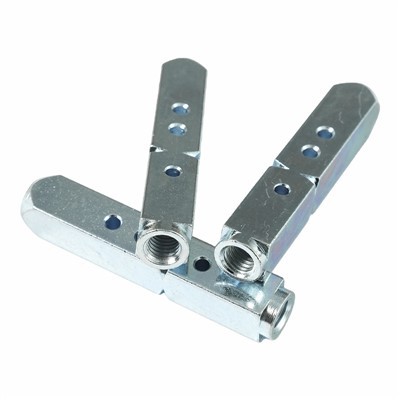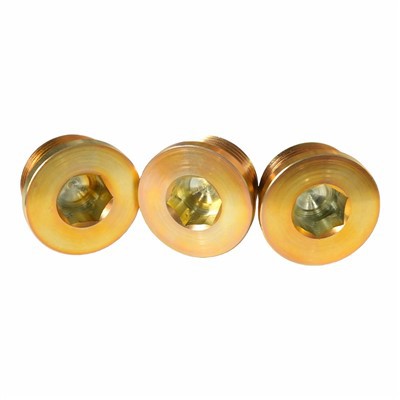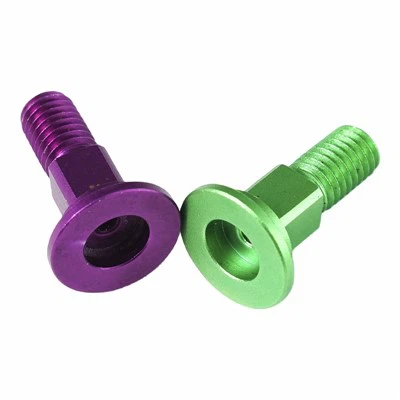

Hey there! As a supplier of POM Plastic Turning Parts, I often get asked about the hardness of these parts. So, I thought I'd write a blog post to share some insights on this topic.
First off, let's talk about what POM plastic is. POM, or polyoxymethylene, is a high-performance engineering thermoplastic. It's known for its excellent mechanical properties, including high stiffness, low friction, and good dimensional stability. These characteristics make POM a popular choice for a wide range of applications, from automotive components to consumer goods.
Now, when it comes to the hardness of POM plastic turning parts, it's important to understand that hardness is a measure of a material's resistance to indentation or scratching. In the case of POM, its hardness can vary depending on a few factors, such as the specific grade of POM used, the manufacturing process, and any additives or fillers that may be present.
One of the most common ways to measure the hardness of POM is using the Rockwell hardness test. This test involves pressing a hard indenter into the material and measuring the depth of the indentation. The hardness value is then reported on the Rockwell scale, which has different scales for different materials. For POM, the Rockwell R scale is typically used.
The hardness of POM can range from around 80 to 120 on the Rockwell R scale. The exact value will depend on the specific grade of POM and any modifications made to it. For example, some grades of POM may be formulated to have a higher hardness for applications that require greater wear resistance.
Another factor that can affect the hardness of POM plastic turning parts is the machining process. During turning, the cutting tool can cause work hardening of the material, which can increase its hardness. This is something to keep in mind when designing and manufacturing POM parts, as it can impact the final properties of the part.
So, why is the hardness of POM plastic turning parts important? Well, for starters, it can affect the performance and durability of the part. A harder POM part will generally be more resistant to wear and deformation, which can extend its lifespan and improve its overall performance. Additionally, the hardness of the part can also impact its machinability. A harder material may require more aggressive cutting tools and higher cutting speeds, which can affect the efficiency and cost of the manufacturing process.
As a supplier of POM Plastic Turning Parts, we understand the importance of hardness and its impact on the quality of our products. That's why we use high-quality POM materials and advanced machining techniques to ensure that our parts meet the highest standards of hardness and performance.
If you're in the market for CNC Machined Plastic Parts, including POM Plastic Turning Parts and PEEK Machined Parts, we've got you covered. You can check out our CNC Machined Plastic Parts page to learn more about our products and services. And if you're specifically interested in PEEK Machined Parts, you can visit our PEEK Machined Parts page. Of course, for all your POM Plastic Turning Parts needs, head over to our POM Plastic Turning Parts page.
We're always happy to work with our customers to understand their specific requirements and provide the best solutions for their projects. Whether you need a small batch of custom parts or a large production run, we have the expertise and capabilities to deliver high-quality POM Plastic Turning Parts that meet your needs.
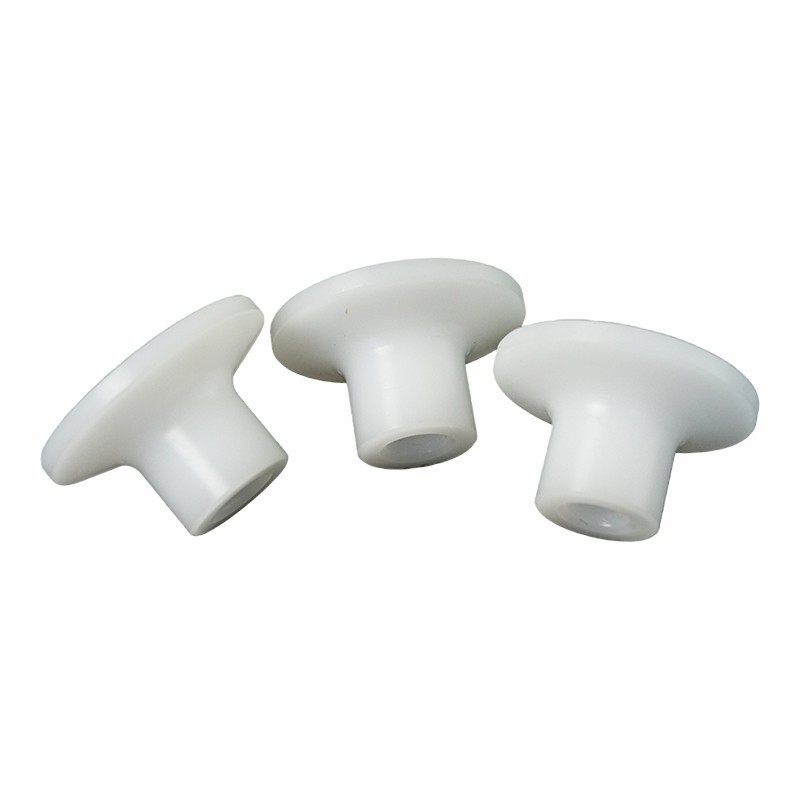
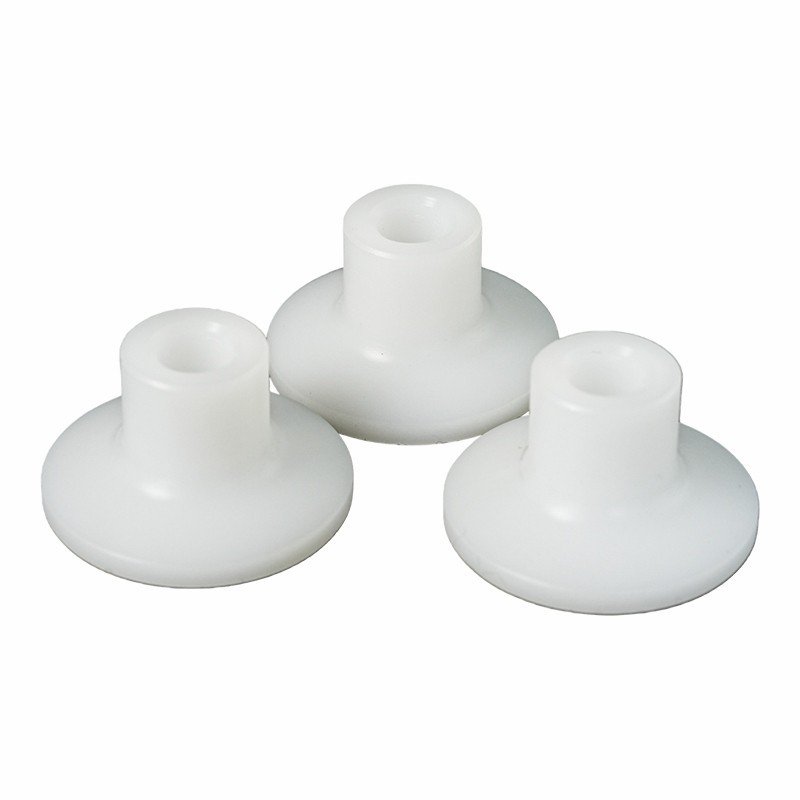
So, if you're interested in learning more about our POM Plastic Turning Parts or have any questions about the hardness or other properties of these parts, don't hesitate to reach out. We'd love to have a chat with you and see how we can help you with your next project.
References:
- "Engineering Plastics Handbook" by Donald V. Rosato and Dominick V. Rosato
- "Plastic Materials" by John A. Brydson