
Are metal shelf support pins suitable for high - humidity environments?
As a supplier of metal shelf support pins, one of the most common questions I encounter from customers is whether our products are suitable for high - humidity environments. This is a crucial question, as the performance and longevity of metal shelf support pins can be significantly affected by the level of humidity in their surroundings. In this blog post, I will delve into the science behind metal corrosion in high - humidity conditions, evaluate the suitability of metal shelf support pins, and discuss possible solutions to ensure their durability.
The Science of Metal Corrosion in High - Humidity Environments
To understand the impact of high humidity on metal shelf support pins, we first need to grasp the basic principles of metal corrosion. Corrosion is a natural process that occurs when metals react with their environment, typically oxygen and water. In high - humidity environments, the air contains a large amount of water vapor, which can condense on the surface of metal objects. This thin layer of water acts as an electrolyte, facilitating the flow of electrons between different parts of the metal and accelerating the corrosion process.
The rate of corrosion depends on several factors, including the type of metal, the presence of impurities, and the level of humidity. For example, iron and steel are particularly susceptible to corrosion in high - humidity conditions because they form iron oxide (rust) when exposed to oxygen and water. Other metals, such as aluminum and stainless steel, have a natural oxide layer that provides some protection against corrosion. However, this layer can be damaged by certain chemicals or mechanical abrasion, making the metal vulnerable to corrosion.
Evaluating the Suitability of Metal Shelf Support Pins
When considering whether metal shelf support pins are suitable for high - humidity environments, we need to take into account the specific type of metal used in their construction. Here are some common metals used for shelf support pins and their performance in high - humidity conditions:
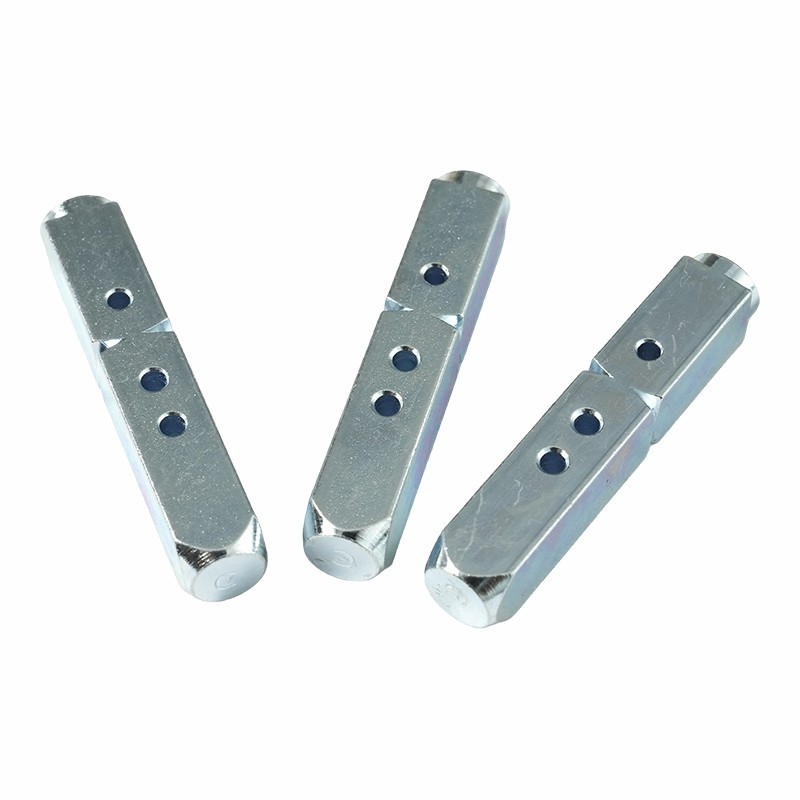

- Carbon Steel: Carbon steel is a popular choice for metal shelf support pins due to its high strength and relatively low cost. However, it is highly susceptible to corrosion in high - humidity environments. Without proper protection, carbon steel pins can rust quickly, leading to a loss of strength and structural integrity.
- Stainless Steel: Stainless steel contains chromium, which forms a passive oxide layer on the surface of the metal, providing excellent corrosion resistance. While stainless steel pins are more expensive than carbon steel pins, they are a better choice for high - humidity environments. However, not all stainless steels are created equal. Some grades of stainless steel may still be prone to corrosion in certain conditions, such as in the presence of chloride ions.
- Aluminum: Aluminum is lightweight and has good corrosion resistance due to its natural oxide layer. However, this layer can be damaged by alkaline or acidic substances, so aluminum pins may not be suitable for all high - humidity environments. Additionally, aluminum is not as strong as steel, so it may not be suitable for heavy - duty applications.
Surface Treatments and Coatings
To improve the corrosion resistance of metal shelf support pins in high - humidity environments, surface treatments and coatings can be applied. These treatments can provide a barrier between the metal and the environment, preventing or slowing down the corrosion process. Here are some common surface treatments and coatings used for metal shelf support pins:
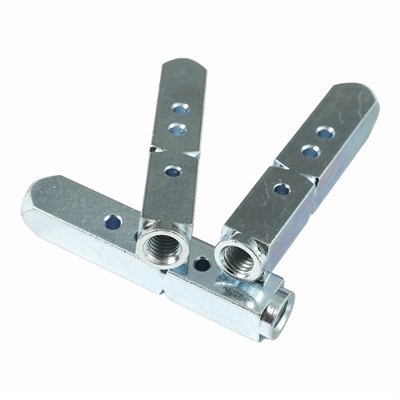
- Galvanization: Galvanization is a process in which a layer of zinc is applied to the surface of the metal. Zinc is more reactive than iron and steel, so it corrodes first, protecting the underlying metal. Galvanized pins are a cost - effective solution for high - humidity environments, but the zinc coating can wear off over time, especially in abrasive conditions.
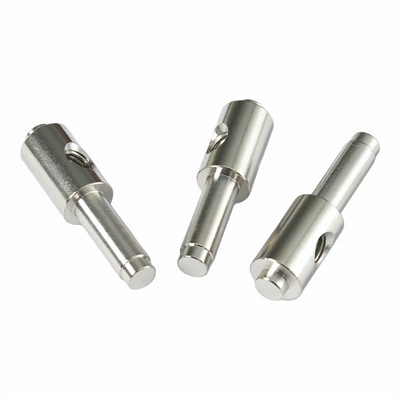
- Nickel Plating: Nickel plating is another popular surface treatment that provides good corrosion resistance. Nickel forms a dense, protective layer on the surface of the metal, preventing the penetration of oxygen and water. Nickel Plated Steel Shaft is an example of a product that benefits from nickel plating. However, nickel plating can be relatively expensive, and it may not be suitable for all applications.
- Powder Coating: Powder coating is a process in which a dry powder is applied to the surface of the metal and then baked to form a hard, protective layer. Powder coatings can provide excellent corrosion resistance, as well as a wide range of colors and finishes. However, the powder coating can be damaged by mechanical abrasion, exposing the underlying metal to corrosion.
Other Considerations
In addition to the type of metal and surface treatments, there are other factors to consider when using metal shelf support pins in high - humidity environments. For example, proper ventilation can help reduce the level of humidity in the air, minimizing the risk of corrosion. Regular cleaning and maintenance can also help remove any dirt or debris that may accumulate on the surface of the pins, preventing the formation of corrosion.
It is also important to consider the specific application of the shelf support pins. For example, if the pins are used in a marine environment, they will be exposed to saltwater, which is highly corrosive. In this case, a more corrosion - resistant material, such as stainless steel or a specialized alloy, may be required.
Conclusion
In conclusion, the suitability of metal shelf support pins for high - humidity environments depends on several factors, including the type of metal, surface treatments, and the specific application. While carbon steel pins are a cost - effective option, they are highly susceptible to corrosion in high - humidity conditions. Stainless steel and aluminum pins offer better corrosion resistance, but they may be more expensive or less suitable for heavy - duty applications. Surface treatments and coatings can significantly improve the corrosion resistance of metal pins, but they also have their limitations.
As a supplier of metal shelf support pins, we offer a wide range of products to meet the needs of different customers. Whether you are looking for a cost - effective solution or a high - performance product for a challenging environment, we can help you find the right metal shelf support pins for your application. If you have any questions or would like to discuss your requirements, please feel free to contact us for a consultation. We are committed to providing our customers with high - quality products and excellent service.
References
- Jones, D. A. (1996). Principles and prevention of corrosion. Prentice Hall.
- Uhlig, H. H., & Revie, R. W. (1985). Corrosion and corrosion control: an introduction to corrosion science and engineering. Wiley.