
Hey there! I'm a supplier in the CNC turning game, and today I wanna chat about how to optimize cutting parameters in CNC turning. It's a crucial aspect that can make or break your machining process, and I'm here to share some tips and tricks based on my experience.
First off, let's talk about why optimizing cutting parameters is so important. When you get the cutting parameters right, you can improve the quality of your parts, increase productivity, and reduce costs. On the flip side, if your parameters are off, you might end up with poor surface finish, excessive tool wear, or even damaged parts. So, it's definitely worth taking the time to get it right.
One of the key cutting parameters in CNC turning is the cutting speed. This refers to how fast the cutting tool moves across the workpiece. If the cutting speed is too low, it can lead to long machining times and poor surface finish. On the other hand, if it's too high, it can cause excessive tool wear and even breakage. So, finding the right cutting speed is crucial.
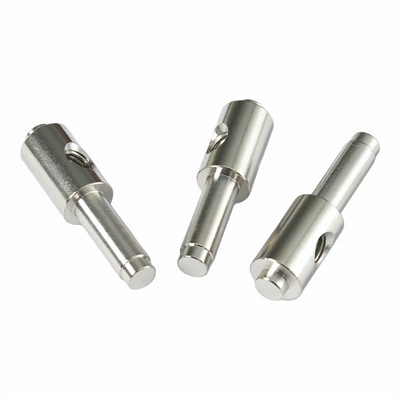
To determine the optimal cutting speed, you need to consider several factors, such as the material of the workpiece, the type of cutting tool, and the depth of cut. For example, when machining Nickel Plated Steel Shaft, you'll need to adjust the cutting speed based on the hardness of the steel and the coating on the tool. Generally, harder materials require lower cutting speeds to avoid excessive tool wear.
Another important parameter is the feed rate. This is the distance the cutting tool moves along the workpiece per revolution. A higher feed rate can increase productivity, but it can also lead to a rougher surface finish. So, you need to find a balance between productivity and surface quality.
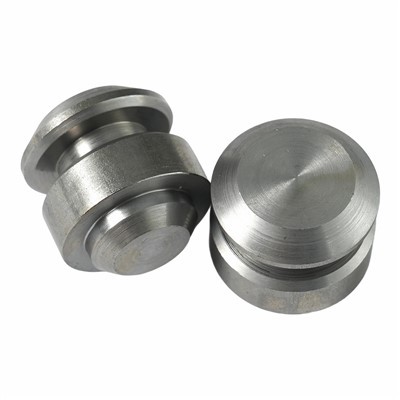
When setting the feed rate, you also need to consider the material and the type of cutting tool. For instance, when machining Stainless Steel CNC Machining Parts, you might need to use a lower feed rate to prevent work hardening and ensure a good surface finish.
The depth of cut is another factor that affects the cutting process. It refers to the thickness of the material removed in each pass of the cutting tool. A larger depth of cut can increase productivity, but it also requires more power and can put more stress on the cutting tool. So, you need to choose the depth of cut carefully based on the capabilities of your machine and the material you're working with.
In addition to these basic cutting parameters, there are other factors that can influence the optimization process. For example, the coolant used can have a significant impact on the cutting performance. Coolant helps to reduce heat, lubricate the cutting tool, and flush away chips. Choosing the right coolant and using it properly can improve the quality of your parts and extend the life of your cutting tools.
Another factor to consider is the tool geometry. Different cutting tools have different geometries, which can affect the cutting performance. For example, a tool with a larger rake angle can reduce cutting forces, but it might also be more prone to chipping. So, you need to choose the tool geometry based on the specific requirements of your machining process.
Now, let's talk about how to actually optimize the cutting parameters. One way is to use trial and error. Start with some initial parameters based on your experience and the material you're working with, and then make small adjustments and test the results. Keep track of the changes and the corresponding results, and use this data to fine-tune the parameters.
Another approach is to use cutting parameter calculators. There are many online calculators available that can help you determine the optimal cutting parameters based on the material, tool, and machine specifications. These calculators can save you a lot of time and effort, especially if you're new to CNC turning.


It's also a good idea to consult with tool manufacturers and other experts in the field. They can provide valuable insights and recommendations based on their experience and knowledge. You can also attend training courses and workshops to learn more about CNC turning and cutting parameter optimization.
As a CNC turning supplier, I've seen firsthand the benefits of optimizing cutting parameters. By getting the parameters right, we can produce high-quality parts more efficiently and cost-effectively. Whether you're machining Machined Aluminum Parts or other materials, taking the time to optimize the cutting parameters can make a big difference in your bottom line.
If you're interested in learning more about CNC turning or need help optimizing your cutting parameters, feel free to reach out. We're here to help you get the most out of your machining process and produce the best possible parts. Let's work together to take your CNC turning to the next level!
References:
- "CNC Machining Handbook" by John Doe
- "Cutting Tool Technology" by Jane Smith
- Online resources and industry publications on CNC turning and cutting parameter optimization