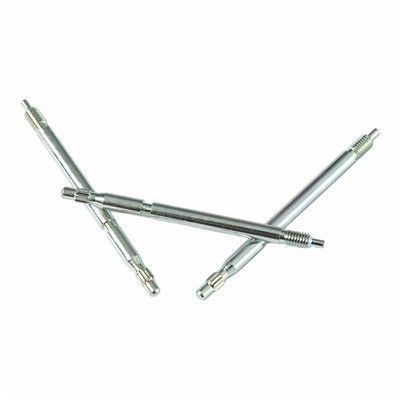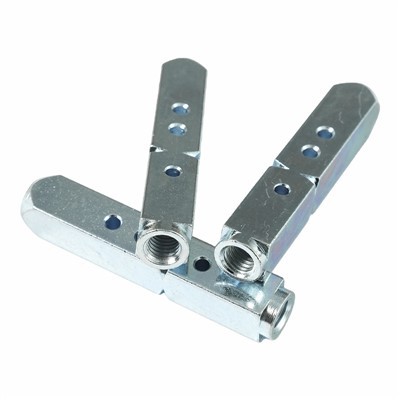

Hey there! As a supplier of zinc plated steel shafts, I often get asked how to tell if a zinc plated steel shaft is of good quality. Well, I'm here to share some tips and insights that I've picked up over the years.
1. Visual Inspection
The first thing you can do is a visual inspection. A high - quality zinc plated steel shaft should have a smooth and even finish. There shouldn't be any visible cracks, pits, or rough spots on the surface. If you see any flaking or peeling of the zinc coating, that's a big red flag.
The color of the zinc plating can also give you some clues. A good zinc plating usually has a consistent, bright silver - like color. If the color is dull or has a patchy appearance, it might indicate an issue with the plating process.
2. Thickness of the Zinc Coating
The thickness of the zinc coating is crucial. A proper zinc coating provides corrosion resistance, and the thickness can vary depending on the application. You can use a coating thickness gauge to measure it.
For most general applications, a zinc coating thickness of around 5 - 15 micrometers is common. However, in more corrosive environments, you might need a thicker coating, say 20 - 50 micrometers. If the coating is too thin, it won't offer sufficient protection against rust and corrosion. On the other hand, an overly thick coating can lead to issues like brittleness.
3. Adhesion of the Zinc Coating
The adhesion of the zinc coating to the steel shaft is another important factor. You can perform a simple tape test. Stick a piece of high - quality adhesive tape firmly on the zinc - plated surface and then quickly pull it off. If a significant amount of the zinc coating comes off with the tape, it means the adhesion is poor.
Good adhesion ensures that the zinc coating stays in place and continues to protect the steel shaft over time. Poor adhesion can lead to premature corrosion as the coating will start to flake off, exposing the underlying steel to the elements.
4. Corrosion Resistance
One of the main reasons for zinc plating a steel shaft is to enhance its corrosion resistance. You can test this by exposing a small sample of the shaft to a salt - spray test. This involves placing the sample in a chamber where it is misted with a salt solution for a certain period.
After the test, check the sample for signs of rust or corrosion. A high - quality zinc plated steel shaft should show minimal signs of corrosion even after an extended period in the salt - spray chamber. If you see rust forming quickly, it indicates that the zinc coating is not providing adequate protection.
5. Mechanical Properties
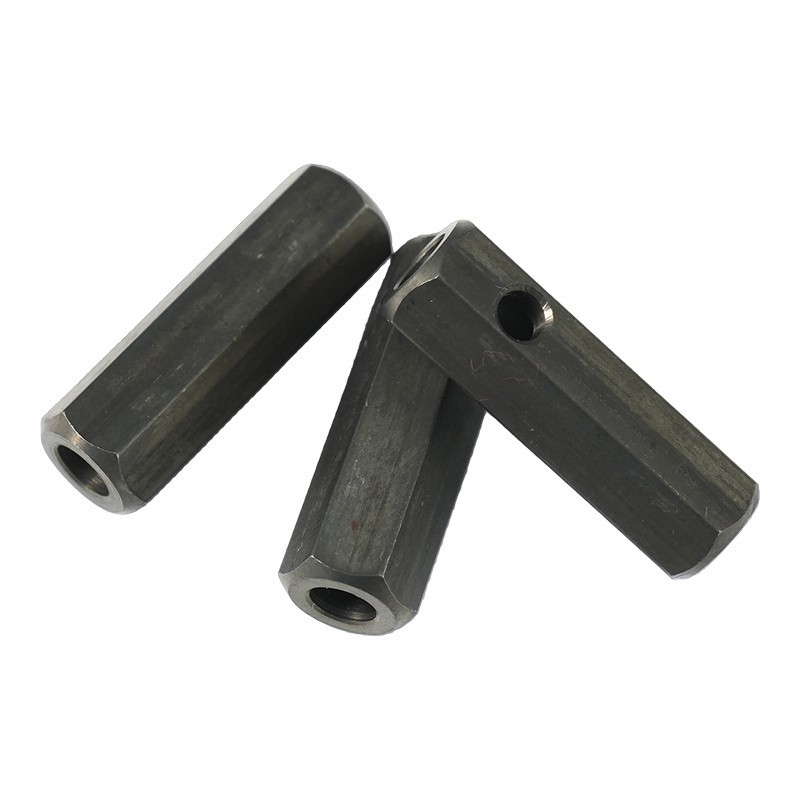
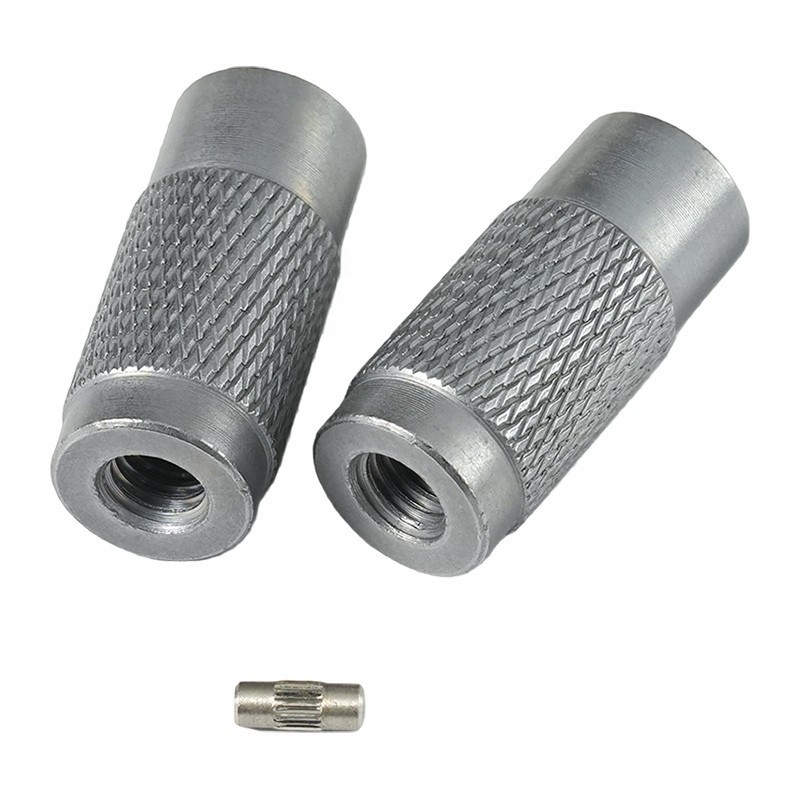
The mechanical properties of the steel shaft itself are also important. A good quality shaft should have the right hardness and strength for its intended use. You can use hardness testing equipment to measure the hardness of the shaft.
If the shaft is too soft, it might deform easily under load. On the other hand, if it's too hard, it could be brittle and prone to cracking. The right balance of mechanical properties ensures that the shaft can perform its function effectively without failing prematurely.
6. Dimensional Accuracy
Dimensional accuracy is key when it comes to zinc plated steel shafts. The shaft should have the correct diameter, length, and straightness. Any deviation from the specified dimensions can cause problems in the application.
You can use precision measuring tools like calipers and micrometers to check the dimensions. If the shaft is supposed to fit into a specific component, even a small deviation in size can lead to a poor fit and reduced performance.
7. Material Quality
The quality of the steel used in the shaft is fundamental. High - quality steel will have fewer impurities and better mechanical properties. You can ask the supplier for material certificates that show the chemical composition and mechanical properties of the steel.
A shaft made from low - quality steel might be more prone to corrosion and mechanical failure, even with a good zinc coating. So, make sure to check the material quality before making a purchase.
8. Compatibility with the Application
Finally, the zinc plated steel shaft should be compatible with the application it's intended for. For example, if it's going to be used in a high - temperature environment, the zinc coating should be able to withstand the heat without degrading.
If the shaft is part of a moving mechanism, it should have the right surface finish to reduce friction. Consider the operating conditions, such as humidity, chemicals, and mechanical stress, when evaluating the quality of the shaft.
Our Offerings
As a supplier, we take pride in providing high - quality zinc plated steel shafts. We use advanced manufacturing processes to ensure that our shafts meet the highest standards. Our shafts are made from high - grade steel and are plated with a uniform and durable zinc coating.
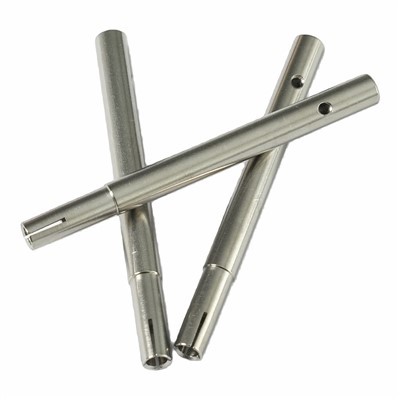
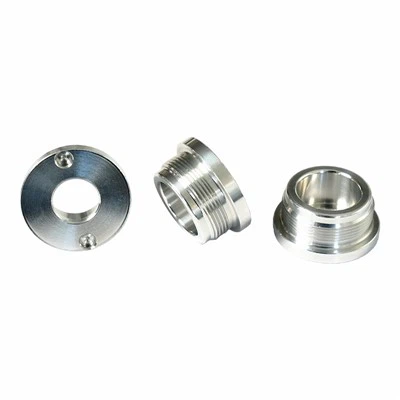
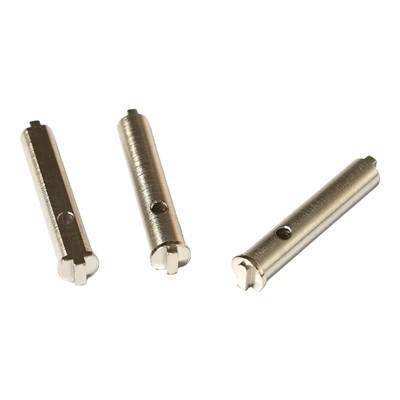
We also offer a range of related products, such as Precision CNC Parts, Galvanized Nickel Alloy, and CNC Machined Parts. These products are designed to work seamlessly with our zinc plated steel shafts, providing a complete solution for your needs.
If you're in the market for zinc plated steel shafts or any of our related products, don't hesitate to reach out. We're here to help you find the right products for your application and ensure that you get the best quality at a competitive price. Let's start a conversation and see how we can meet your requirements.
References
- "Metallurgy for Engineers: Physical Metallurgy and the Physical Properties of Metals" by George E. Dieter
- "Corrosion and Corrosion Control: An Introduction to Corrosion Science and Engineering" by Mars G. Fontana