
As a supplier of carbon steel turned parts, I understand the importance of reducing machining time. In the highly competitive manufacturing industry, efficient production processes can significantly enhance productivity, reduce costs, and improve overall competitiveness. This blog will explore various strategies to reduce the machining time for carbon steel turned parts, based on my experience and industry best practices.
1. Optimize Tool Selection
The choice of cutting tools is crucial in reducing machining time. High - quality cutting tools with appropriate geometries and coatings can increase cutting speeds and feeds, leading to faster material removal rates.
- Tool Geometry: Select tools with optimized geometries for carbon steel turning. For example, tools with a positive rake angle can reduce cutting forces, allowing for higher cutting speeds. Additionally, tools with a large nose radius can improve surface finish and reduce the number of passes required for finishing operations.
- Tool Coatings: Coatings such as titanium nitride (TiN), titanium carbonitride (TiCN), and aluminum titanium nitride (AlTiN) can significantly improve tool life and cutting performance. These coatings reduce friction between the tool and the workpiece, which in turn allows for higher cutting speeds and feeds. For instance, AlTiN - coated tools are particularly suitable for high - speed machining of carbon steel due to their excellent heat resistance.
2. Implement High - Speed Machining
High - speed machining (HSM) is a proven method to reduce machining time. By increasing the cutting speed and feed rate, HSM can achieve higher material removal rates.
- Machine Capabilities: Ensure that your CNC turning machine is capable of high - speed machining. Modern CNC machines are designed to handle high cutting speeds and feeds, but it is essential to verify the machine's specifications and capabilities.
- Cutting Parameters: Adjust the cutting parameters such as spindle speed, feed rate, and depth of cut according to the workpiece material and tool requirements. For carbon steel, typical cutting speeds can range from 100 to 300 m/min, depending on the tool and the specific grade of carbon steel. However, it is important to note that these values may need to be adjusted based on the specific machining conditions.
3. Use Advanced Workholding Techniques
Efficient workholding is essential for reducing machining time. Advanced workholding techniques can minimize setup time and improve the stability of the workpiece during machining.
- Quick - Change Workholding Systems: Implement quick - change workholding systems such as collets, chucks, and fixtures. These systems allow for rapid workpiece setup and changeover, reducing the time spent on adjusting and aligning the workpiece.
- Workpiece Stability: Ensure that the workpiece is securely held during machining to prevent vibration and chatter. Vibration can not only reduce the surface finish but also limit the cutting speed and feed rate. Using proper workholding devices and techniques can improve workpiece stability and enable higher machining speeds.
4. Employ Automation and Robotics
Automation and robotics can play a significant role in reducing machining time. By automating repetitive tasks such as loading and unloading workpieces, tool changes, and inspection, the overall machining cycle time can be significantly reduced.
- Automated Loading and Unloading: Install automated loading and unloading systems to eliminate the need for manual handling of workpieces. These systems can be integrated with the CNC turning machine to ensure a continuous and efficient production process.
- Robotic Tool Changing: Robotic tool changers can quickly and accurately change tools during machining, reducing the time spent on tool changes. This allows for more efficient use of the machine and increases the overall productivity.
5. Optimize Cutting Paths
The cutting path used in CNC turning can have a significant impact on machining time. By optimizing the cutting path, the number of tool passes can be reduced, and the material removal rate can be increased.
- CAM Programming: Use computer - aided manufacturing (CAM) software to generate optimized cutting paths. CAM software can analyze the part geometry and generate the most efficient cutting paths, taking into account factors such as tool engagement, cutting speed, and feed rate.
- Adaptive Machining: Implement adaptive machining techniques, which adjust the cutting parameters in real - time based on the actual cutting conditions. This can help to optimize the cutting process and reduce machining time.
6. Improve Material Handling
Efficient material handling is essential for reducing machining time. By streamlining the material flow from the raw material storage to the finished part, the overall production cycle can be shortened.
- Raw Material Storage: Organize the raw material storage area to ensure easy access to the required materials. This can reduce the time spent on searching for and retrieving raw materials.
- Finished Part Handling: Implement a system for quickly and efficiently handling the finished parts. This can include using conveyor belts, automated storage and retrieval systems, or other material handling equipment.
7. Continuous Process Improvement
Continuous process improvement is an ongoing effort to identify and eliminate inefficiencies in the machining process. By regularly reviewing and analyzing the machining operations, you can identify areas for improvement and implement changes to reduce machining time.
- Data Analysis: Collect and analyze data on machining time, tool life, and other relevant parameters. This data can provide valuable insights into the performance of the machining process and help to identify areas for improvement.
- Employee Training: Provide regular training to your employees on the latest machining techniques and best practices. Well - trained employees are more likely to identify and implement process improvements, leading to reduced machining time.
Examples of Our Carbon Steel Turned Parts
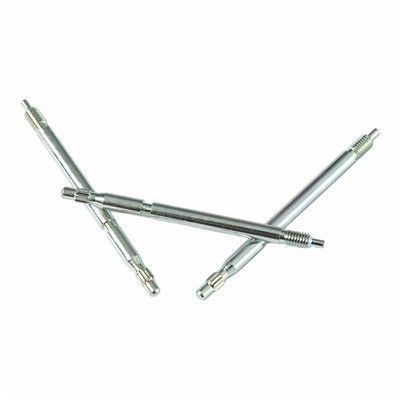
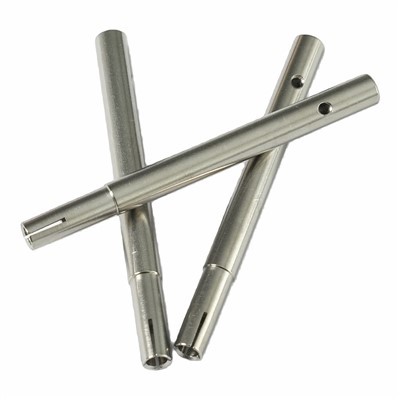
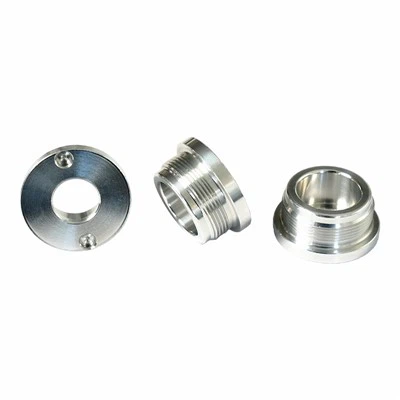
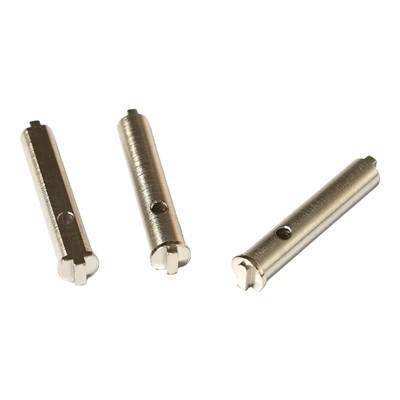
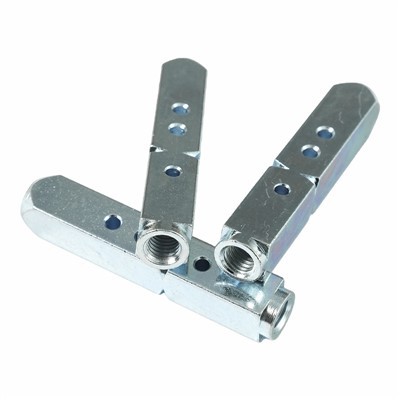
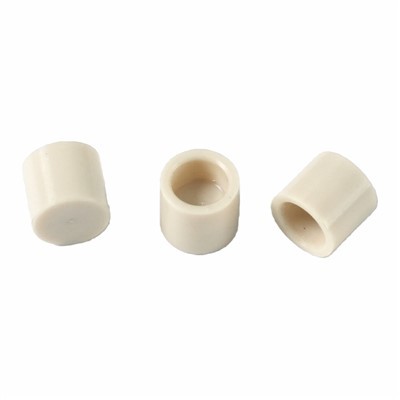
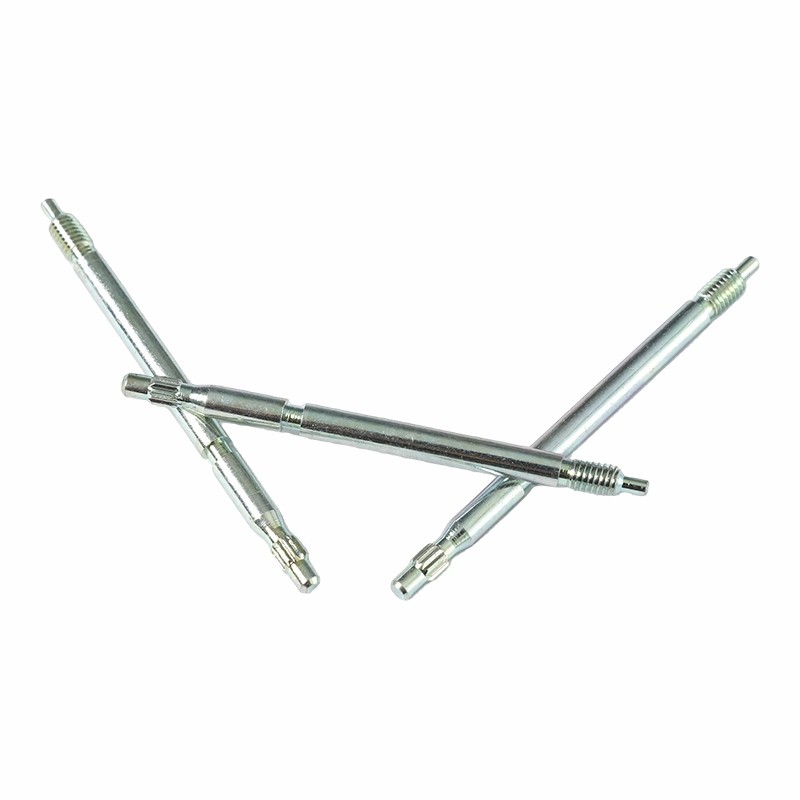
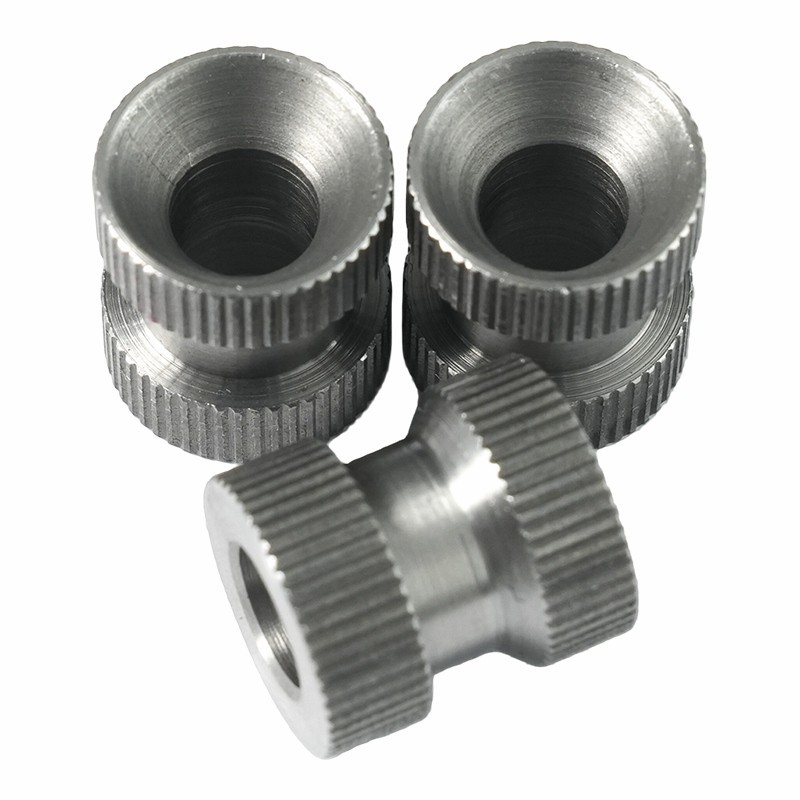
We offer a wide range of carbon steel turned parts, including CNC Turned Micro Shaft, Carbon Steel Square Spindle Bar, and Precision Turning Of Small Parts. Our commitment to reducing machining time ensures that we can provide high - quality parts in a timely manner.
Conclusion
Reducing the machining time for carbon steel turned parts is a multifaceted challenge that requires a combination of strategies, including tool selection, high - speed machining, advanced workholding, automation, cutting path optimization, material handling, and continuous process improvement. By implementing these strategies, we can not only improve the efficiency of our production processes but also enhance the quality of our products.
If you are interested in purchasing carbon steel turned parts or have any questions about our products and services, please feel free to contact us for a purchase negotiation. We look forward to working with you to meet your specific requirements.
References
- Smith, J. (2018). Advanced Machining Techniques for Carbon Steel. Manufacturing Journal, 15(2), 45 - 56.
- Johnson, A. (2019). Optimizing CNC Turning Processes. Industrial Engineering Review, 22(3), 78 - 89.
- Brown, C. (2020). The Impact of Tool Selection on Machining Time. Machining Technology Magazine, 30(4), 12 - 21.