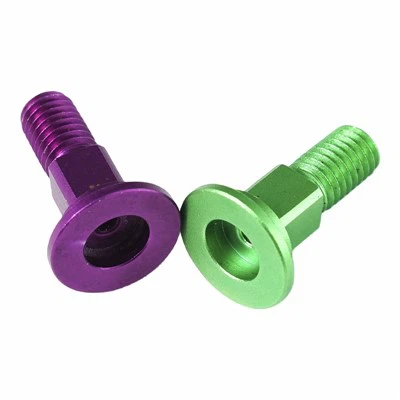

Hey there! As a supplier of aluminum turned parts, I've been in the game for quite a while, and I've seen firsthand how important it is to get the design right. In this blog, I'll share some key design considerations for aluminum turned parts that you should keep in mind.
Material Selection
The first thing to consider is the type of aluminum you'll use. Different aluminum alloys have different properties, and choosing the right one can make a big difference in the performance of your turned parts.
- Aluminum 6061: This is one of the most commonly used aluminum alloys for turned parts. It has good strength, corrosion resistance, and machinability. Aluminum 6061 Turned Parts are often used in applications where high strength and good corrosion resistance are required, such as automotive parts, aerospace components, and industrial machinery.
- Aluminum 6063: This alloy is known for its excellent extrudability and surface finish. Aluminum 6063 Turned Parts are commonly used in architectural applications, such as window frames and door frames, as well as in consumer products like bicycles and furniture.
When selecting an aluminum alloy, you should also consider factors such as the part's intended use, the required strength and hardness, and the cost.
Tolerances
Tolerances are another important design consideration for aluminum turned parts. Tolerances refer to the allowable variation in the dimensions of a part. The tighter the tolerances, the more precise the part will be, but also the more expensive it will be to manufacture.
- General Tolerances: For most aluminum turned parts, general tolerances are sufficient. These tolerances typically range from ±0.005 inches to ±0.010 inches, depending on the size and complexity of the part.
- Tight Tolerances: In some cases, you may need to specify tighter tolerances. This is often the case for parts that require a high degree of precision, such as aerospace components or medical devices. Tight tolerances can range from ±0.001 inches to ±0.0005 inches or even tighter.
When specifying tolerances, it's important to work closely with your supplier to ensure that the tolerances are achievable and cost-effective.
Surface Finish
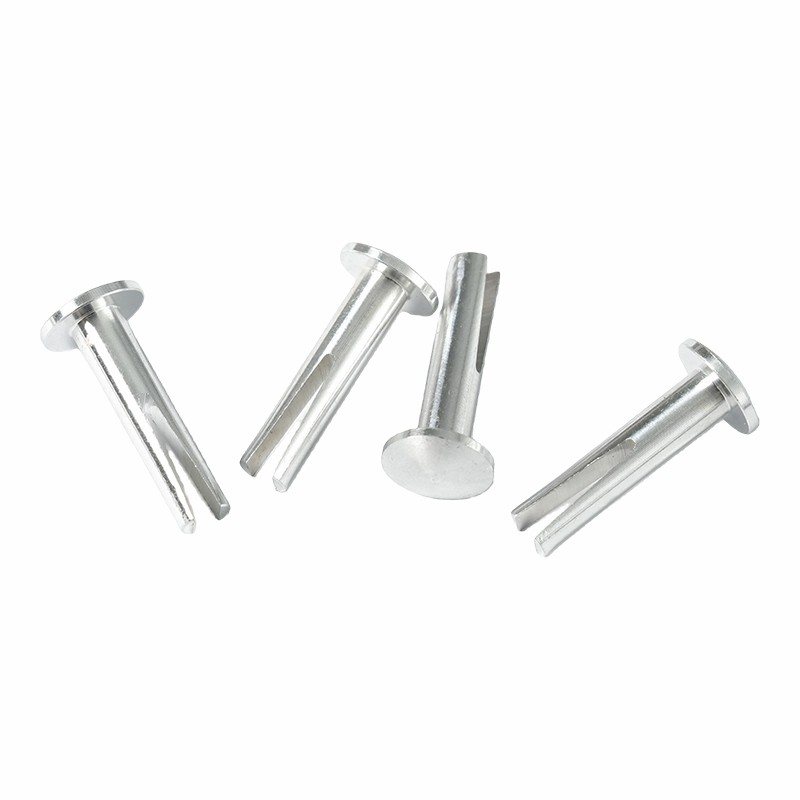
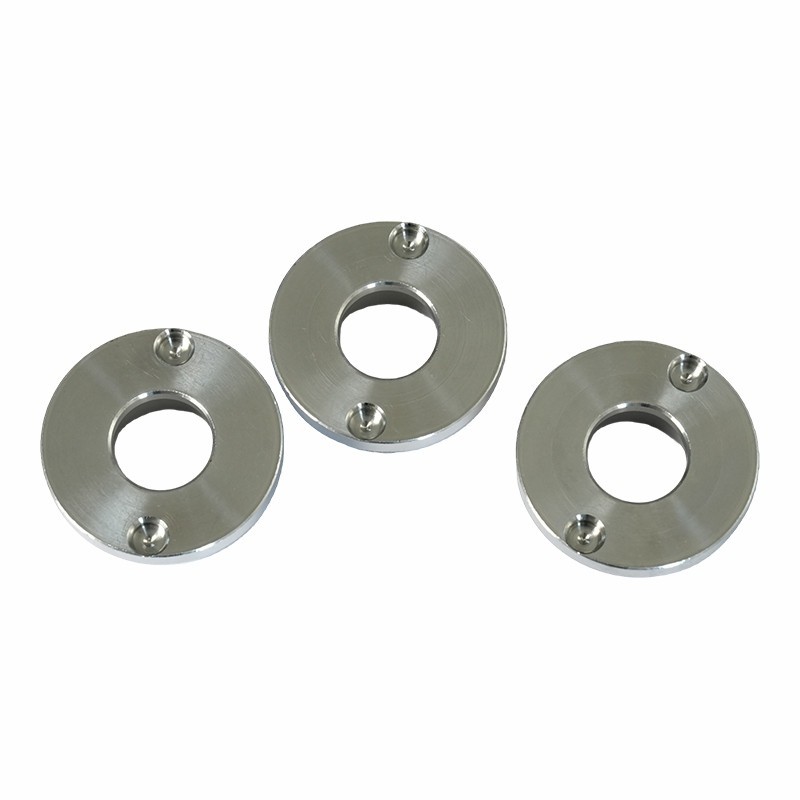
The surface finish of an aluminum turned part can have a significant impact on its appearance, performance, and durability. There are several different surface finishes available for aluminum turned parts, each with its own advantages and disadvantages.
- As-Machined Finish: This is the most basic surface finish, and it is simply the result of the machining process. As-machined finishes are typically rough and may have tool marks or other imperfections.
- Polished Finish: A polished finish is achieved by using a polishing process to smooth the surface of the part. Polished finishes are often used for parts that require a high degree of aesthetics, such as consumer products or decorative items.
- Anodized Finish: Anodizing is a process that creates a protective oxide layer on the surface of the aluminum. Anodized finishes are available in a variety of colors and can provide excellent corrosion resistance and wear resistance.
When choosing a surface finish, you should consider factors such as the part's intended use, the required appearance, and the cost.
Design for Manufacturability
Design for manufacturability (DFM) is a key concept in the design of aluminum turned parts. DFM refers to the process of designing parts in a way that makes them easy and cost-effective to manufacture.
- Simplify the Design: One of the most important principles of DFM is to simplify the design of the part. This means reducing the number of features, avoiding complex geometries, and using standard sizes and shapes whenever possible.
- Consider the Machining Process: When designing a part, it's important to consider the machining process that will be used to manufacture it. Different machining processes have different capabilities and limitations, and choosing the right process can make a big difference in the cost and quality of the part.
- Use Standard Tooling: Using standard tooling can help to reduce the cost of manufacturing and improve the efficiency of the machining process. Whenever possible, try to design parts that can be machined using standard tooling.
By following these DFM principles, you can design aluminum turned parts that are easy and cost-effective to manufacture.
Cost Considerations
Cost is always a factor when designing aluminum turned parts. There are several different factors that can affect the cost of manufacturing, including the material, the complexity of the design, the tolerances, and the surface finish.
- Material Cost: The cost of the aluminum alloy you choose will have a significant impact on the overall cost of the part. Some alloys are more expensive than others, so it's important to choose the right alloy for your application.
- Design Complexity: The more complex the design of the part, the more expensive it will be to manufacture. Try to simplify the design as much as possible to reduce the cost.
- Tolerances: Tighter tolerances require more precise machining, which can increase the cost of manufacturing. Only specify the tolerances that are necessary for your application.
- Surface Finish: The surface finish you choose can also affect the cost of manufacturing. Polished and anodized finishes are typically more expensive than as-machined finishes.
When designing aluminum turned parts, it's important to balance the cost with the performance and quality of the part.
Conclusion
Designing aluminum turned parts requires careful consideration of several different factors, including material selection, tolerances, surface finish, design for manufacturability, and cost. By keeping these factors in mind, you can design parts that are high-quality, cost-effective, and easy to manufacture.
If you're in the market for Machined Aluminum Parts, I'd love to hear from you. We're a leading supplier of aluminum turned parts, and we have the expertise and experience to help you design and manufacture the parts you need. Contact us today to discuss your requirements and get a quote.
References
- ASM Handbook, Volume 2: Properties and Selection: Nonferrous Alloys and Special-Purpose Materials
- Machining of Aluminum Alloys: A Practical Guide
- Design for Manufacturability: A Handbook for Product Designers