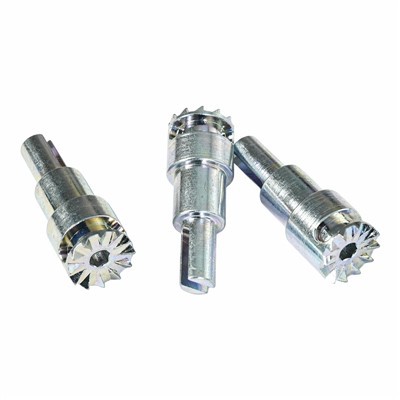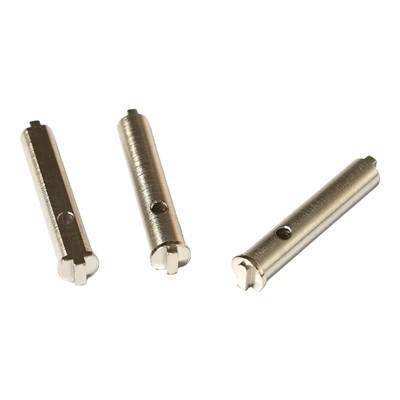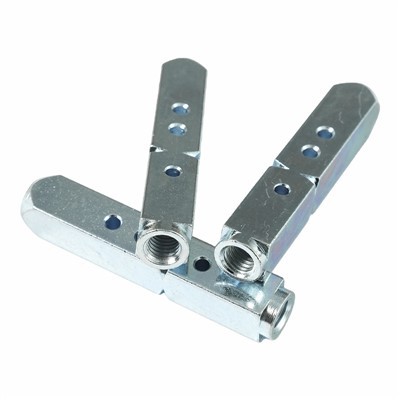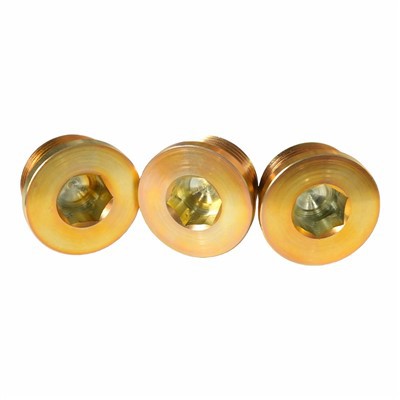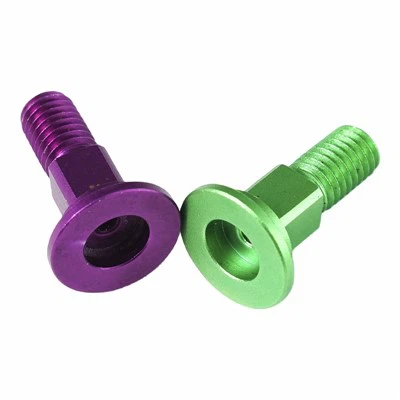

Hey there! As a supplier in the CNC turning game, I know how crucial it is to keep those cutting tools sharp. A sharp tool can make a world of difference in the quality of your CNC turned parts. Whether you're working on CNC Stainless Steel Turned Parts or Stainless Steel Turnings, having a well - sharpened tool is key.
First off, let's talk about why sharpening is so important. When a cutting tool is sharp, it cuts through the material more cleanly. This means less force is required, which in turn reduces wear and tear on the tool and the CNC machine itself. You'll also get a better surface finish on your CNC Precision Turned Parts. A dull tool can cause rough edges, burrs, and inaccurate dimensions.
Now, let's dive into the steps to sharpen those cutting tools.
Step 1: Inspection
Before you start sharpening, you need to inspect the tool. Look for signs of wear, such as chipping, dull edges, or uneven cutting surfaces. If the tool is severely damaged, it might be better to replace it rather than trying to sharpen it. You can use a magnifying glass or a microscope to get a closer look at the tool's edge.
Step 2: Cleaning
Clean the tool thoroughly. Remove any chips, coolant, or debris that might be stuck to the tool. You can use a brush and a cleaning solution to do this. Make sure to dry the tool completely before moving on to the next step. A clean tool will make the sharpening process more effective.
Step 3: Choosing the Right Sharpening Method
There are a few different ways to sharpen CNC turning tools. The most common methods are using a grinding wheel, a sharpening stone, or a tool grinder.
Grinding Wheel
A grinding wheel is a popular choice for sharpening cutting tools. It can remove material quickly and can be used to reshape the tool's edge. However, you need to be careful when using a grinding wheel. If you apply too much pressure or grind for too long, you can overheat the tool and damage its structure.
Sharpening Stone
Sharpening stones are a more traditional method. They are great for fine - tuning the edge of the tool. You can use different grits of stones to achieve different levels of sharpness. A coarse grit stone is used for removing large amounts of material, while a fine grit stone is used for the final polish.
Tool Grinder
A tool grinder is a specialized machine designed for sharpening cutting tools. It offers more precision and control compared to a grinding wheel or a sharpening stone. You can set the angles and the amount of material to be removed, which is especially useful for complex tool geometries.
Step 4: Setting the Correct Angles
The angles of the cutting tool are crucial for its performance. Different materials and cutting operations require different angles. For example, when cutting stainless steel, you might need a different angle than when cutting carbon steel. You can use a protractor or an angle gauge to set the correct angles. Make sure to follow the manufacturer's recommendations for the tool you're using.
Step 5: Sharpening Process
Once you've chosen the sharpening method and set the angles, it's time to start sharpening. If you're using a grinding wheel, hold the tool firmly against the wheel at the correct angle. Move the tool slowly across the wheel, applying even pressure. If you're using a sharpening stone, wet the stone first and then move the tool across the stone in a circular or back - and - forth motion. With a tool grinder, follow the machine's instructions to set up the tool and start the sharpening process.
Step 6: Testing the Sharpness
After sharpening, it's important to test the tool's sharpness. You can do this by making a test cut on a scrap piece of material. Look at the surface finish of the cut. If it's smooth and the edges are clean, the tool is sharp. If there are rough edges or burrs, you might need to sharpen the tool some more.
Step 7: Maintenance
Once you've sharpened the tool, it's important to maintain its sharpness. Keep the tool clean and dry when not in use. Use a proper tool storage system to prevent the tool from getting damaged. Also, make sure to use the tool within its recommended cutting parameters. This will help prolong the tool's sharpness and its lifespan.

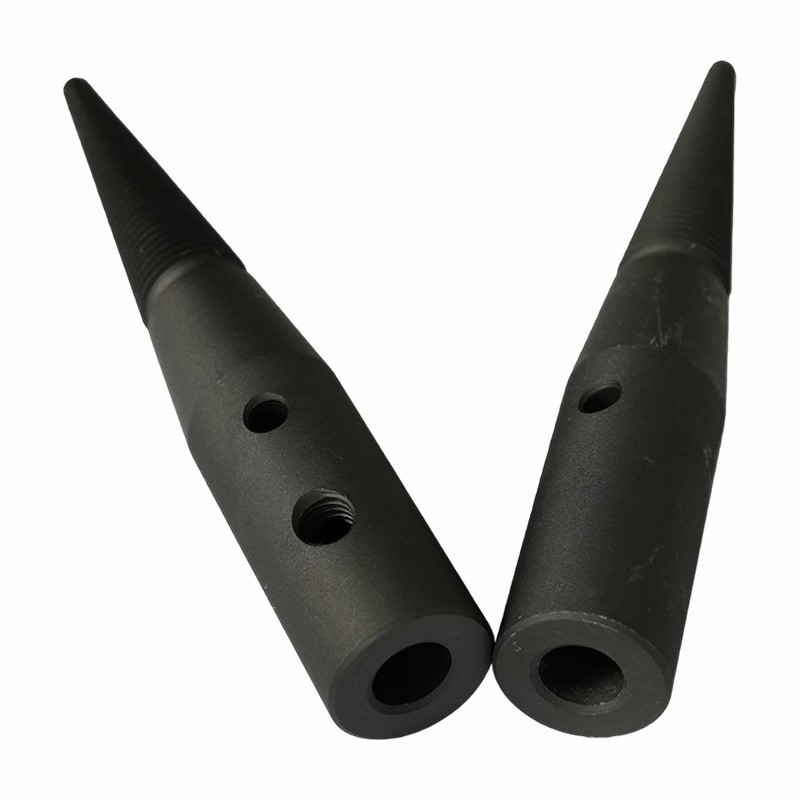
In the CNC turning industry, the quality of your cutting tools can make or break your business. By following these steps to sharpen your cutting tools, you can ensure that you're producing high - quality CNC Stainless Steel Turned Parts, Stainless Steel Turnings, and CNC Precision Turned Parts.
If you're in the market for top - notch CNC turned parts or have any questions about sharpening your cutting tools, don't hesitate to reach out. We're here to help you get the best results in your CNC turning operations. Let's have a chat about your specific needs and see how we can work together to take your production to the next level.
References
- "CNC Machining Handbook"
- "Cutting Tool Technology: Principles and Applications"