
When it comes to CNC machined parts, straightness is a crucial factor that can significantly impact the performance and functionality of the final product. As a supplier of Precision CNC Parts, I've seen firsthand how important it is to meet the right straightness requirements. In this blog, I'll break down what those requirements are and why they matter.
Understanding Straightness in CNC Machining
Straightness in CNC machining refers to how closely a part's surface or axis aligns with a perfectly straight line. It's not just about looking straight to the eye; it's about meeting very specific geometric tolerances. These tolerances are set based on the part's intended use, the materials involved, and the overall design requirements.
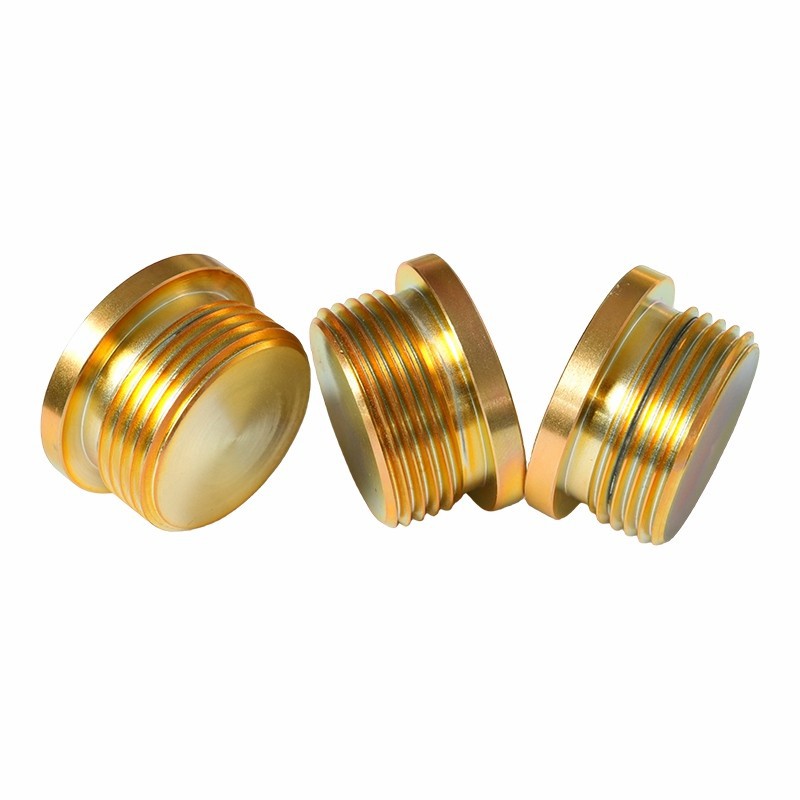
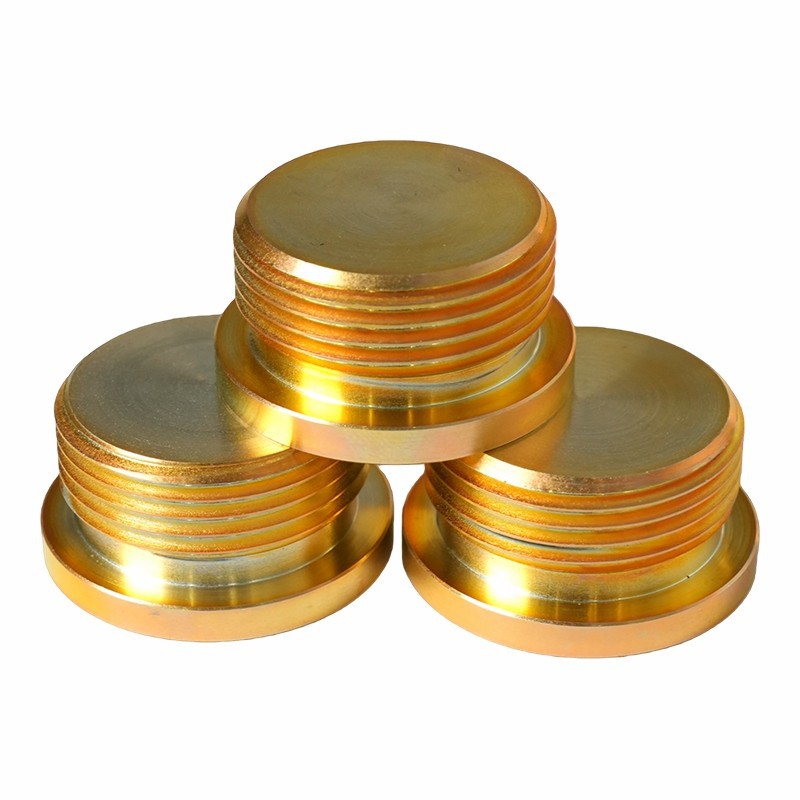
For example, in a Precision CNC Machining Parts application like a shaft in a high - speed motor, even a slight deviation from straightness can cause vibration, increased wear and tear, and reduced efficiency. On the other hand, a part used in a less critical application might have more lenient straightness requirements.
Factors Affecting Straightness Requirements
Material Properties
The type of material being machined plays a big role in determining straightness requirements. Different materials have different characteristics, such as hardness, ductility, and thermal expansion. For instance, Carbon Steel Turning Parts are relatively hard and can hold their shape well, but they may also be prone to warping during the machining process if not properly handled. So, when machining carbon steel, we need to pay extra attention to maintaining straightness.
Machining Processes
The CNC machining processes we use also impact straightness. Operations like turning, milling, and grinding each have their own unique challenges when it comes to achieving straightness. For example, in turning, the cutting tool's path and the rotation of the workpiece need to be precisely controlled to ensure a straight surface. Milling can introduce vibrations that may affect straightness, especially when dealing with complex shapes. Grinding, on the other hand, can provide very high levels of straightness but requires careful setup and control.
Design Requirements
The design of the part itself dictates the straightness requirements. Some parts may require extremely high precision, such as components in aerospace or medical devices. In these cases, the straightness tolerance may be in the range of micrometers. Other parts, like those used in general machinery, may have more relaxed straightness requirements.
Measuring Straightness
To ensure that our Precision CNC Parts meet the required straightness, we use a variety of measurement tools. One common method is using a straightedge and a feeler gauge. The straightedge is placed along the surface of the part, and the feeler gauge is used to measure the gap between the straightedge and the part's surface. If the gap is within the specified tolerance, the part meets the straightness requirement.
Another more advanced method is using a coordinate measuring machine (CMM). A CMM can precisely measure the position of points on a part's surface and calculate the straightness based on those measurements. This method is highly accurate and is often used for parts with very tight straightness tolerances.
Meeting Straightness Requirements in Production
As a supplier, we take several steps to ensure that our CNC machined parts meet the straightness requirements. First, we carefully select the right machining processes and tools based on the part's design and material. We also pay close attention to the setup of the CNC machine, making sure that the workpiece is properly aligned and secured.
During the machining process, we continuously monitor the straightness of the part. If we detect any deviations from the required straightness, we make adjustments to the machining parameters, such as the cutting speed, feed rate, or tool path. This helps us to correct any issues and ensure that the final part meets the specifications.
Importance of Meeting Straightness Requirements
Meeting the straightness requirements is crucial for several reasons. First, it ensures the proper fit and function of the part. A part that is not straight may not fit correctly into an assembly, leading to problems such as leaks, misalignment, or reduced performance. Second, it can improve the durability of the part. A straight part is less likely to experience stress concentrations, which can lead to premature failure.
In addition, meeting straightness requirements can enhance the overall quality of the product. Customers expect high - quality parts, and by delivering parts with the right straightness, we can build trust and a good reputation in the market.
Conclusion
In conclusion, the straightness of CNC machined parts is a critical aspect of the manufacturing process. As a supplier of Precision CNC Parts, we understand the importance of meeting the right straightness requirements. By carefully considering factors such as material properties, machining processes, and design requirements, and by using accurate measurement tools and proper production techniques, we can ensure that our parts meet the highest standards of straightness.
If you're in the market for high - quality CNC machined parts and want to discuss your specific straightness requirements, feel free to reach out. We're here to help you find the best solutions for your needs.
References
- "CNC Machining Handbook"
- "Geometric Dimensioning and Tolerancing Standards"
- "Materials Science for Machining"