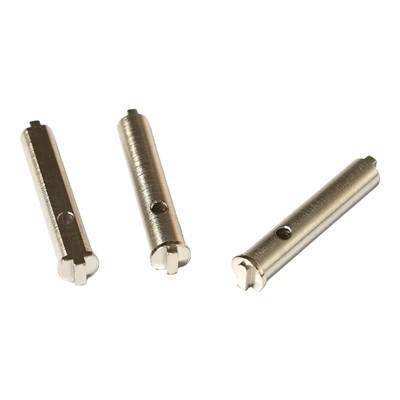

Hey there! As a supplier of CNC Machined Parts, I often get asked about the hardness of parts made from different materials. It's a super important topic, especially when you're looking for the right parts for your project. So, let's dive right in and explore the hardness of CNC machined parts made from various materials.
Understanding Hardness in CNC Machined Parts
Hardness is a measure of a material's resistance to deformation, indentation, or scratching. In the world of CNC machining, it plays a crucial role in determining the performance and durability of the parts. Different materials have different hardness levels, and choosing the right one depends on the specific requirements of your application.
Common Materials Used in CNC Machining and Their Hardness
Steel
Steel is one of the most commonly used materials in CNC machining. It comes in various grades, each with its own hardness characteristics. For example, carbon steel is known for its good strength and hardness. The hardness of carbon steel can vary depending on its carbon content. Higher carbon content generally results in a harder material.
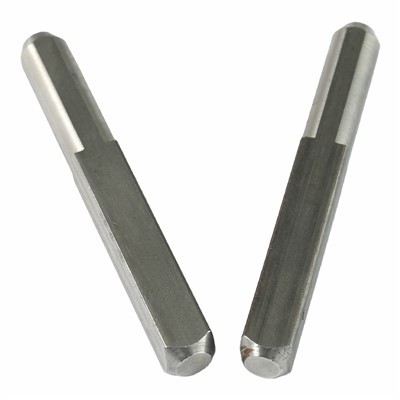
CNC Turning Steel Parts are often used in applications where high strength and wear resistance are required. They can be heat-treated to further increase their hardness and improve their mechanical properties.
Aluminum
Aluminum is another popular material in CNC machining. It's lightweight, corrosion-resistant, and has good machinability. The hardness of aluminum can vary depending on the alloy. For instance, 6061 aluminum is a common alloy used in CNC machining. It has a relatively low hardness compared to steel but is still strong enough for many applications.
Aluminum parts are often used in industries such as aerospace, automotive, and electronics. They are easy to machine and can be an excellent choice for applications where weight is a concern.
Brass
Brass is a copper-zinc alloy that is known for its good machinability and corrosion resistance. It has a relatively low hardness compared to steel but is still strong enough for many applications. Brass parts are often used in plumbing, electrical, and decorative applications.
The hardness of brass can vary depending on the composition of the alloy. For example, a brass alloy with a higher zinc content will generally be harder than one with a lower zinc content.
Titanium
Titanium is a strong and lightweight material that is often used in high-performance applications. It has excellent corrosion resistance and a high strength-to-weight ratio. The hardness of titanium can vary depending on the alloy and the heat treatment process.
Titanium parts are commonly used in aerospace, medical, and automotive industries. They are known for their durability and ability to withstand extreme conditions.
Factors Affecting the Hardness of CNC Machined Parts
Material Composition
As mentioned earlier, the composition of the material plays a significant role in determining its hardness. Different elements and alloys can have different effects on the hardness of the material. For example, adding carbon to steel can increase its hardness, while adding aluminum to titanium can improve its strength and hardness.

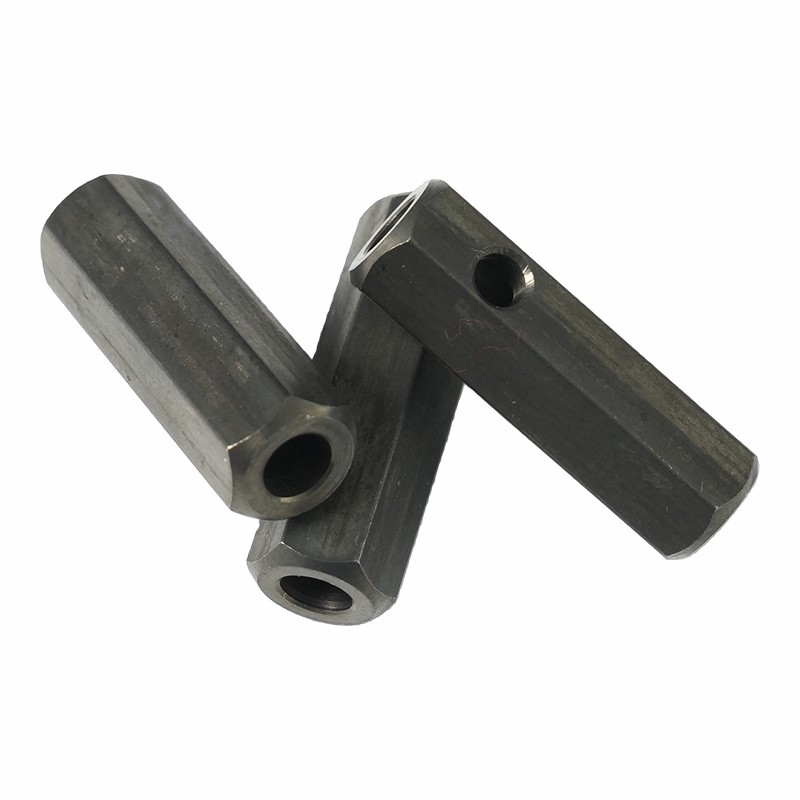
Heat Treatment
Heat treatment is a process that can be used to alter the hardness of a material. By heating the material to a specific temperature and then cooling it at a controlled rate, the internal structure of the material can be changed, resulting in a change in hardness. Heat treatment can be used to increase or decrease the hardness of a material, depending on the desired properties.
Machining Process
The machining process can also affect the hardness of the parts. For example, cutting tools can generate heat during the machining process, which can cause the material to harden. This is known as work hardening. The type of cutting tool, cutting speed, and feed rate can all affect the amount of work hardening that occurs.
Importance of Hardness in CNC Machined Parts
The hardness of CNC machined parts is important for several reasons. First, it affects the performance and durability of the parts. A harder material will generally be more resistant to wear and deformation, which can extend the lifespan of the parts. Second, hardness can affect the machinability of the material. A harder material may require more advanced cutting tools and machining techniques, which can increase the cost of production.
Finally, the hardness of the parts can affect the fit and function of the components. If the parts are too soft, they may not be able to withstand the forces and stresses of the application. On the other hand, if the parts are too hard, they may be difficult to machine and may not fit properly.
Choosing the Right Material for Your CNC Machined Parts
When choosing the right material for your CNC machined parts, it's important to consider the specific requirements of your application. Some factors to consider include:
- Strength and Hardness: Determine the minimum strength and hardness requirements for your parts. This will depend on the application and the forces and stresses that the parts will be subjected to.
- Machinability: Consider the machinability of the material. Some materials are easier to machine than others, which can affect the cost and lead time of production.
- Corrosion Resistance: If the parts will be exposed to corrosive environments, choose a material that has good corrosion resistance.
- Cost: Consider the cost of the material and the machining process. Some materials may be more expensive than others, but they may also offer better performance and durability.
Conclusion
In conclusion, the hardness of CNC machined parts made from different materials is an important factor to consider when choosing the right parts for your project. Different materials have different hardness levels, and choosing the right one depends on the specific requirements of your application. By understanding the factors that affect the hardness of the parts and choosing the right material, you can ensure that your parts have the performance and durability that you need.
If you're looking for high-quality CNC Machined Parts or Precision CNC Parts, feel free to reach out to us. We have a team of experts who can help you choose the right material and machining process for your project. Let's work together to create the perfect parts for your needs!
References
- ASM Handbook, Volume 1: Properties and Selection: Irons, Steels, and High-Performance Alloys
- Machining of Metals: Theory and Applications by J. Paulo Davim