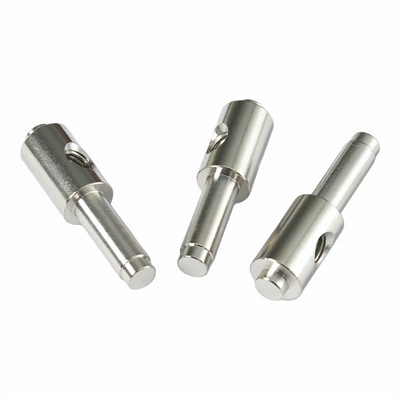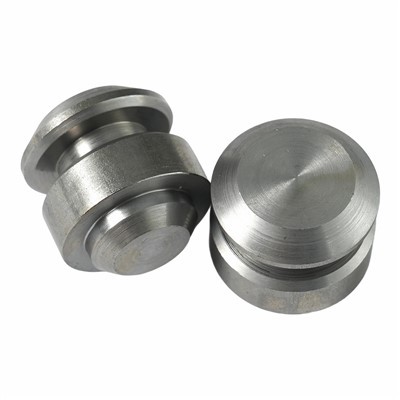

When it comes to CNC turning of steel parts, one of the most frequently asked questions is: What is the maximum diameter that can be turned for steel parts by CNC? As a supplier of CNC Turning Steel Parts, I'd like to delve deep into this question and share some insights based on industry knowledge and our practical experience.
Factors Affecting the Maximum Turning Diameter
Machine Capacity
The most fundamental factor is the capacity of the CNC turning machine itself. Different CNC turning machines are designed with different specifications, and their maximum swing diameters vary significantly. For example, small - scale CNC lathes may have a maximum swing diameter of around 100 - 200 mm, which are suitable for producing small precision parts such as watch components or small connectors. On the other hand, large - scale industrial CNC turning centers can handle diameters up to several meters. These large - scale machines are commonly used in heavy - duty industries like shipbuilding, aerospace, and power generation, where large - sized steel parts are required.
Material Properties
The properties of the steel material also play a crucial role in determining the maximum turning diameter. Harder steels, such as high - carbon steels and alloy steels, pose more challenges during the turning process. As the diameter of the part increases, the cutting forces required also increase significantly. If the material is too hard, it may cause excessive tool wear, poor surface finish, and even damage to the machine. For instance, when turning a high - strength alloy steel part with a large diameter, the cutting tool may experience rapid wear, and the machine may need to operate at a lower cutting speed to ensure the quality of the part.

Tooling and Cutting Parameters
The choice of cutting tools and appropriate cutting parameters is essential for achieving the maximum turning diameter. High - quality cutting tools with the right geometry and coating can withstand higher cutting forces and provide better cutting performance. For example, carbide cutting tools are widely used in CNC turning of steel parts due to their high hardness and wear resistance. Additionally, optimizing cutting parameters such as cutting speed, feed rate, and depth of cut is crucial. Incorrect cutting parameters can lead to issues like chatter, poor surface finish, and reduced tool life.
Our Experience as a CNC Turning Steel Parts Supplier
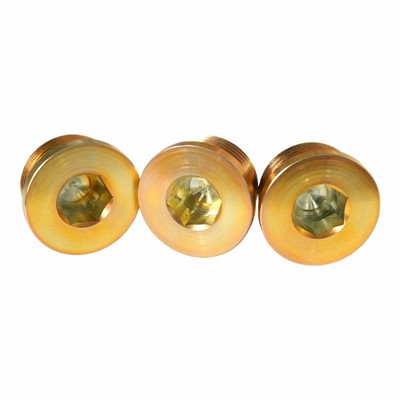
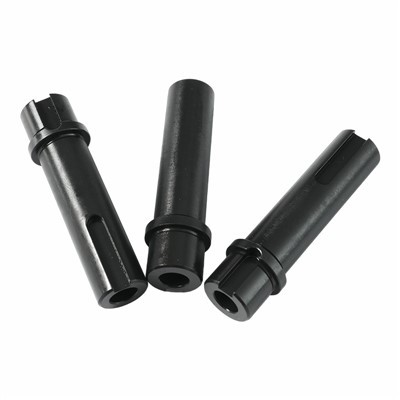
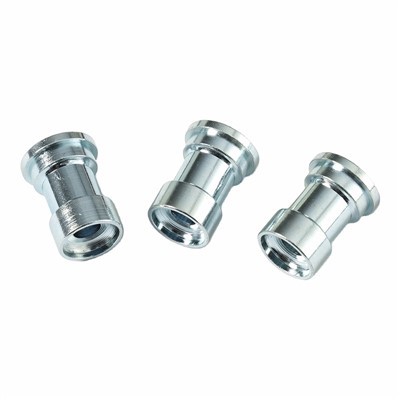
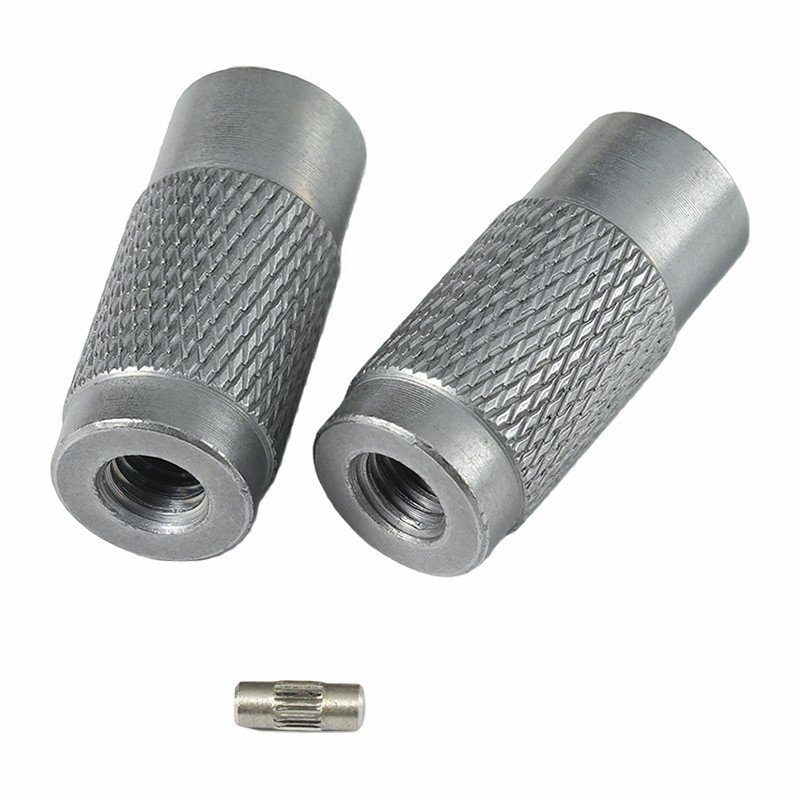
At our company, we have a wide range of CNC turning machines with different capacities to meet various customer requirements. We have small - sized CNC lathes for producing Carbon Steel Turning Parts, which are often used in the automotive and electronics industries. These machines can handle parts with diameters ranging from a few millimeters to around 150 mm.
For larger - sized parts, we have large - scale CNC turning centers. We have successfully turned steel parts with diameters up to 1.5 meters for customers in the heavy - machinery and construction industries. These large - scale parts often require high - precision machining, and we use advanced tooling and cutting techniques to ensure the quality and accuracy of the parts.
One of our recent projects involved turning a Galvanized Nickel Alloy part with a diameter of 800 mm. The material had specific properties that required careful selection of cutting tools and optimization of cutting parameters. We used a carbide cutting tool with a special coating to reduce tool wear and improve the surface finish. By adjusting the cutting speed and feed rate, we were able to achieve the desired dimensional accuracy and surface quality.
Case Studies
Case 1: Door Lock Square Spindle
We once received an order for Door Lock Square Spindle production. The part had a relatively small diameter of around 20 mm but required high precision. We used a small - sized CNC lathe with a high - speed spindle to ensure accurate machining. The carbon steel material was easy to machine, and we were able to achieve a smooth surface finish and tight dimensional tolerances. By using advanced programming techniques, we were able to produce a large number of these parts efficiently.
Case 2: Large - Scale Shaft for Power Generation
In another project, we were tasked with turning a large - scale shaft for a power generation plant. The shaft had a diameter of 1.2 meters and was made of high - strength alloy steel. This project required a large - scale CNC turning center with high - power capabilities. We used a combination of roughing and finishing operations to ensure the accuracy and surface quality of the shaft. The roughing operation was carried out at a relatively high feed rate to remove most of the material quickly, while the finishing operation was performed at a lower feed rate to achieve the desired surface finish.
Conclusion
In conclusion, the maximum diameter that can be turned for steel parts by CNC depends on multiple factors, including machine capacity, material properties, and tooling and cutting parameters. As a CNC Turning Steel Parts supplier, we have the expertise and equipment to handle a wide range of diameters, from small - sized precision parts to large - scale heavy - duty components.
If you are in need of high - quality CNC turning steel parts, we are here to provide you with customized solutions. Whether you need small - sized parts for consumer products or large - scale components for industrial applications, we can meet your requirements. Contact us for more information and to start a procurement discussion.
References
- "CNC Machining Handbook" by John Doe
- "Advanced Manufacturing Technology" by Jane Smith
- Industry reports on CNC turning technology from leading research institutions