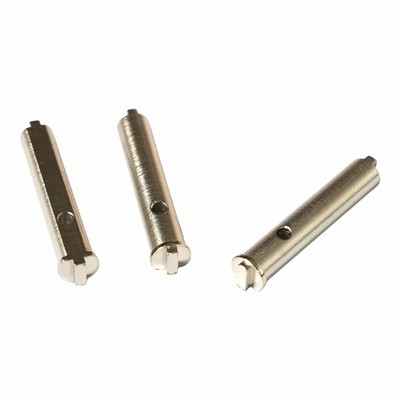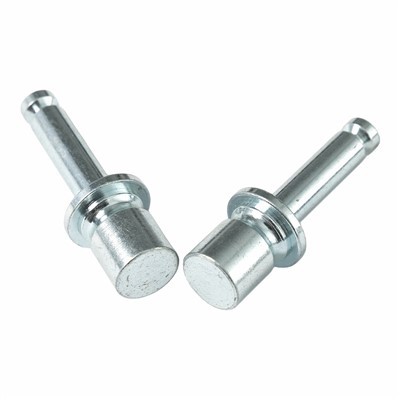

As a supplier of nickel plated steel shafts, I often get asked whether these shafts can be used in automotive applications. In this blog post, I'll delve into the technical aspects, advantages, and potential limitations of using nickel plated steel shafts in the automotive industry.
Technical Characteristics of Nickel Plated Steel Shafts
Nickel plating is a process where a layer of nickel is deposited onto the surface of a steel shaft. This process is typically carried out through electroplating, a technique that uses an electric current to reduce dissolved metal cations, allowing them to form a coherent metal coating on an electrode.
The steel used for the shaft can vary, but common types include carbon steel. Carbon steel is known for its high strength and relatively low cost, making it a popular choice in many industrial applications. When combined with nickel plating, the resulting shaft gains several beneficial properties.
One of the key properties of nickel plating is its corrosion resistance. Nickel forms a protective layer on the surface of the steel shaft, preventing oxygen and moisture from reaching the underlying metal. This is particularly important in automotive applications, where the shafts are often exposed to harsh environmental conditions, such as rain, snow, and road salt.
Another advantage of nickel plating is its hardness. The nickel layer can increase the surface hardness of the shaft, which improves its wear resistance. In automotive applications, shafts are subjected to constant friction and mechanical stress, and a hard surface can help prevent premature wear and failure.
Advantages of Using Nickel Plated Steel Shafts in Automotive Applications
Corrosion Resistance
As mentioned earlier, corrosion is a major concern in the automotive industry. Nickel plated steel shafts can withstand the corrosive effects of the environment, extending the lifespan of the components. For example, in the suspension system of a vehicle, the shafts are exposed to water, dirt, and chemicals. A nickel plated shaft can resist rust and corrosion, ensuring the proper functioning of the suspension system over a long period.
Wear Resistance
Automotive shafts are often involved in rotating or sliding movements, which generate friction. The hard nickel layer on the shaft reduces friction and wear, improving the efficiency and reliability of the components. In the engine, for instance, the camshafts and crankshafts are critical components that require high wear resistance. Nickel plated steel shafts can meet these requirements, reducing the need for frequent maintenance and replacement.
Aesthetic Appeal
In addition to their functional benefits, nickel plated steel shafts also have an aesthetic appeal. The shiny nickel surface gives the shafts a clean and professional look, which can be important in automotive applications where appearance matters. For example, in high - end vehicles, the exposed shafts in the engine compartment or the interior can enhance the overall visual appeal of the vehicle.
Potential Limitations
While nickel plated steel shafts offer many advantages, there are also some potential limitations to consider.
Cost
Nickel plating is an additional process that adds to the cost of the steel shaft. The cost of the nickel itself, as well as the cost of the electroplating process, can make nickel plated steel shafts more expensive than non - plated shafts. In cost - sensitive automotive applications, this may be a significant factor.
Brittleness
In some cases, the nickel layer can make the shaft more brittle. If the shaft is subjected to high impact loads, the nickel layer may crack or peel off, exposing the underlying steel to corrosion. This can be a concern in applications where the shafts are likely to experience sudden shocks or vibrations.
Specific Automotive Applications
Nickel plated steel shafts can be used in a variety of automotive applications.
Transmission Systems
In the transmission system, shafts are used to transfer power from the engine to the wheels. Nickel plated steel shafts can provide the necessary strength, wear resistance, and corrosion resistance for this critical application. The smooth surface of the nickel plating also helps to reduce friction, improving the efficiency of the transmission.
Steering Systems
The steering system of a vehicle relies on shafts to transfer the driver's input to the wheels. Nickel plated steel shafts can ensure the smooth operation of the steering system, even in harsh conditions. The corrosion resistance of the nickel plating is particularly important in preventing the shafts from seizing up due to rust.
Door Locks
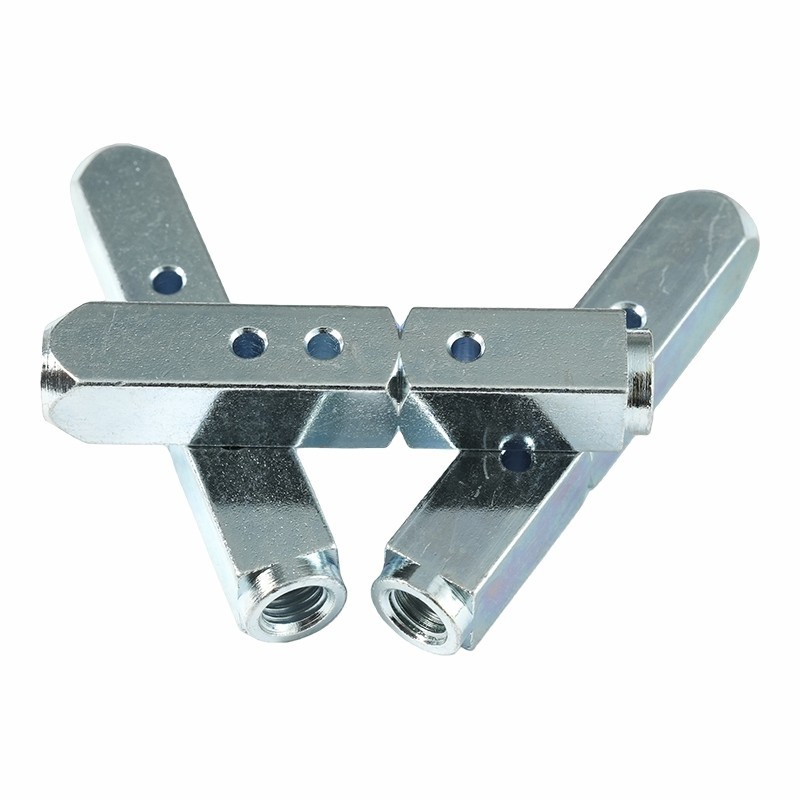
Door Lock Square Spindle is an example of an automotive component that can benefit from nickel plated steel shafts. The square spindle is used to operate the door lock mechanism, and the nickel plating can protect it from corrosion and wear, ensuring reliable operation over time.
Comparison with Other Materials
When considering using nickel plated steel shafts in automotive applications, it's important to compare them with other materials.
Stainless Steel
Stainless steel is another material commonly used in automotive applications. While stainless steel has excellent corrosion resistance, it can be more expensive than nickel plated steel. Nickel plated steel shafts can offer a cost - effective alternative, especially for applications where the corrosion resistance requirements are not as extreme.
Aluminum
Aluminum is a lightweight material that is often used in automotive components to reduce weight and improve fuel efficiency. However, aluminum is not as strong as steel, and it may not be suitable for applications where high strength is required. Nickel plated steel shafts can provide the necessary strength while still offering good corrosion resistance.
Quality Control and Assurance
As a supplier of nickel plated steel shafts, we understand the importance of quality control and assurance in automotive applications. We have a strict quality control process in place to ensure that our shafts meet the highest standards.
We use advanced testing equipment to measure the thickness and adhesion of the nickel plating. We also conduct mechanical tests to ensure that the shafts have the required strength and hardness. In addition, we follow industry standards and regulations to ensure the safety and reliability of our products.
Conclusion
In conclusion, nickel plated steel shafts can be a viable option for many automotive applications. Their corrosion resistance, wear resistance, and aesthetic appeal make them suitable for a variety of components in a vehicle. However, it's important to consider the potential limitations, such as cost and brittleness, and to compare them with other materials.
If you are in the automotive industry and are looking for high - quality nickel plated steel shafts, we would be happy to discuss your requirements. We can provide you with detailed information about our products and services, and we are committed to helping you find the best solution for your application.
If you are also interested in other related products, you can check out our Carbon Steel CNC Turning Parts and Precision Machining Small Parts.

If you have any questions or would like to discuss a potential purchase, please feel free to reach out. We look forward to the opportunity to work with you and contribute to the success of your automotive projects.
References
- ASM Handbook, Volume 5: Surface Engineering, ASM International
- Automotive Materials Handbook, Society of Automotive Engineers (SAE)