
What are the standards for the noise reduction of precision machined components?
As a provider of precision machined components, I understand the critical role that noise reduction plays in the performance and user experience of various products. Precision machined components are used in a wide range of industries, from automotive and aerospace to electronics and medical devices. In each of these applications, excessive noise can not only be a nuisance but also indicate a problem with the component's functionality or durability. Therefore, establishing and meeting standards for noise reduction is essential for ensuring the quality and reliability of our products.
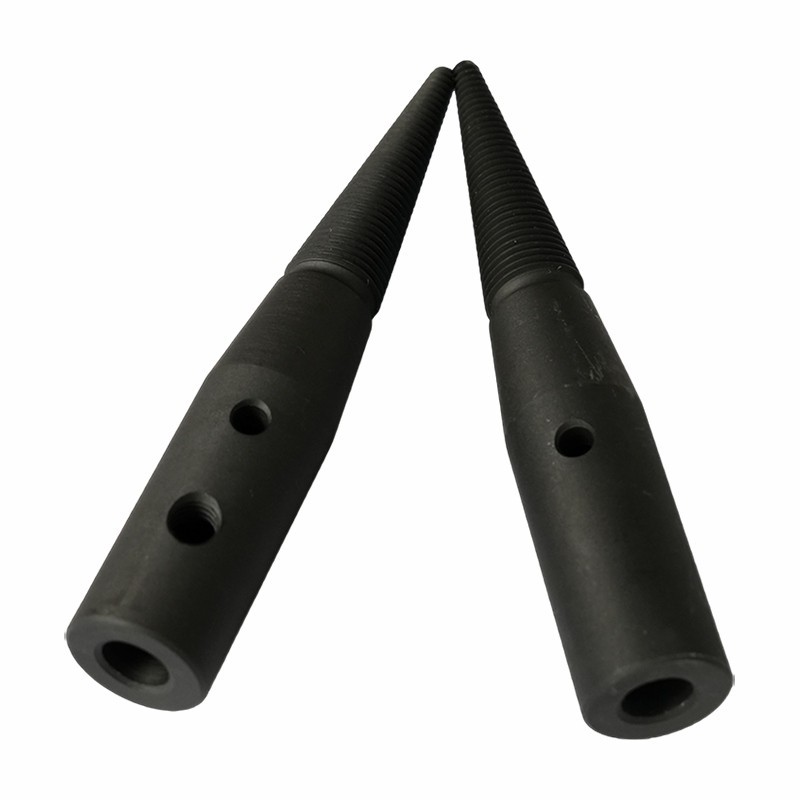

Understanding the Sources of Noise in Precision Machined Components
Before we can discuss the standards for noise reduction, it's important to understand the sources of noise in precision machined components. There are several factors that can contribute to noise generation, including:
- Mechanical Vibration: When components move or interact with each other, they can generate vibrations that result in noise. This can be caused by factors such as uneven surfaces, misalignment, or excessive friction.
- Fluid Flow: In components that involve the flow of fluids, such as pumps or valves, the movement of the fluid can create noise. This can be due to turbulence, cavitation, or pressure fluctuations.
- Electromagnetic Interference: In electronic components, electromagnetic interference (EMI) can cause noise. This can be a result of the interaction between electrical currents and magnetic fields, or the presence of external electromagnetic sources.
Industry Standards for Noise Reduction
To address these sources of noise, various industry standards have been established to ensure that precision machined components meet specific noise reduction requirements. These standards are typically developed by organizations such as the International Organization for Standardization (ISO), the American National Standards Institute (ANSI), and the Institute of Electrical and Electronics Engineers (IEEE).
One of the most widely recognized standards for noise reduction is ISO 1680:2008, which specifies the requirements for the measurement and evaluation of noise emitted by rotating electrical machines. This standard provides guidelines for measuring the sound power level of electrical machines and sets limits for acceptable noise levels based on the type and size of the machine.
Another important standard is ANSI S12.19-2013, which covers the measurement of noise in workplaces. This standard provides guidelines for measuring the sound pressure level of noise in the workplace and sets limits for acceptable noise levels to protect workers from hearing damage.
In the automotive industry, standards such as SAE J211-1 and ISO 13200 are used to measure and evaluate the noise emitted by vehicles. These standards provide guidelines for measuring the sound pressure level of vehicle noise and set limits for acceptable noise levels based on the type and class of the vehicle.
Design Considerations for Noise Reduction
In addition to meeting industry standards, there are several design considerations that can be incorporated into precision machined components to reduce noise. These include:
- Material Selection: Choosing the right materials can have a significant impact on noise reduction. For example, using materials with high damping properties can help to absorb vibrations and reduce noise. Materials such as rubber, foam, and certain types of plastics are often used for this purpose.
- Surface Finish: The surface finish of a component can also affect noise generation. A smooth surface finish can reduce friction and vibration, resulting in less noise. Therefore, it's important to ensure that components are machined to the appropriate surface finish specifications.
- Geometry and Tolerance: The geometry and tolerance of a component can also play a role in noise reduction. For example, ensuring that components are properly aligned and have the correct clearances can help to reduce noise caused by mechanical vibration.
- Damping and Isolation: Incorporating damping and isolation techniques can also help to reduce noise. This can include using vibration isolators, shock absorbers, or other types of damping materials to absorb vibrations and prevent them from being transmitted to other parts of the system.
Testing and Validation
Once a precision machined component has been designed and manufactured, it's important to test and validate its noise reduction performance. This can be done using a variety of testing methods, including:
- Acoustic Testing: Acoustic testing involves measuring the sound pressure level of a component using a microphone or other acoustic measurement device. This can be done in a laboratory setting or in the field to evaluate the component's noise performance under real-world conditions.
- Vibration Testing: Vibration testing involves measuring the vibration levels of a component using a vibration sensor or other vibration measurement device. This can be used to identify the sources of vibration and to evaluate the effectiveness of any damping or isolation techniques that have been incorporated into the component.
- Finite Element Analysis (FEA): FEA is a computer-based simulation technique that can be used to analyze the structural and dynamic behavior of a component. This can be used to predict the noise performance of a component and to identify any potential design issues that may need to be addressed.
Our Commitment to Noise Reduction
As a provider of precision machined components, we are committed to meeting and exceeding the industry standards for noise reduction. We use the latest design and manufacturing techniques to ensure that our components are designed and manufactured to minimize noise generation. We also conduct extensive testing and validation to ensure that our components meet the highest quality and performance standards.
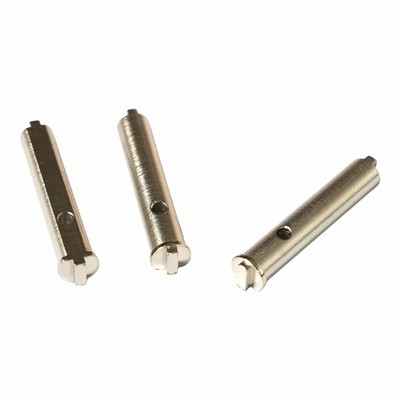
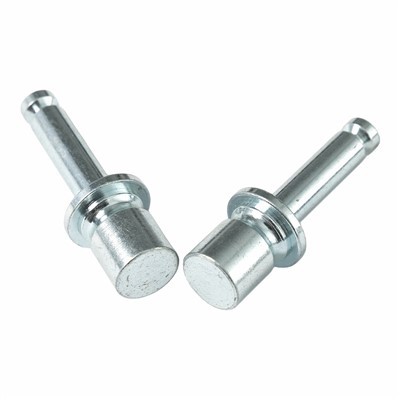
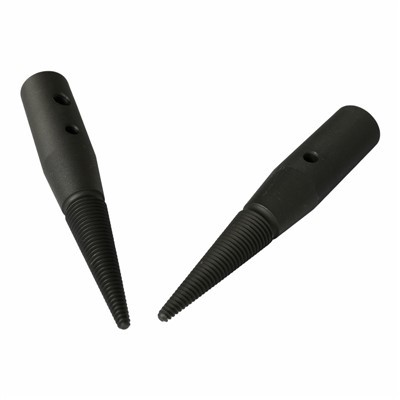
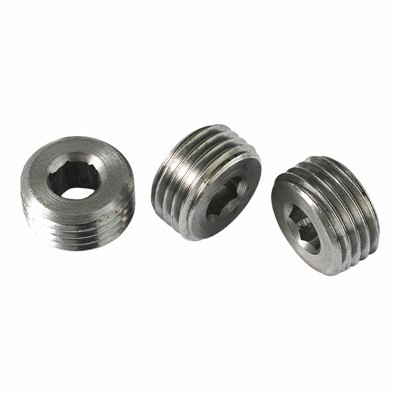
In addition to our commitment to noise reduction, we also offer a wide range of precision machined components to meet the needs of our customers. Our product portfolio includes Metal Shelf Support Pin, CNC Precision Turned Parts, and Black Nitride Steel Components, among others.
If you are looking for a reliable provider of precision machined components with a focus on noise reduction, we encourage you to contact us to discuss your specific requirements. Our team of experienced engineers and technicians can work with you to develop customized solutions that meet your needs and exceed your expectations.
References
- ISO 1680:2008, Acoustics - Noise emitted by rotating electrical machines - Methods of measurement and limits
- ANSI S12.19-2013, American National Standard for Measurement of Occupational Noise Exposure and Specification of Hearing Protectors
- SAE J211-1, Vehicle Test Procedures for Measurement of Noise
- ISO 13200, Acoustics - Measurement of noise emitted by road vehicles - Engineering method using a stationary microphone