
Are metal shelf support pins easy to handle during installation?
As a supplier of metal shelf support pins, I've had numerous conversations with customers and installers about the ease of handling these components during the installation process. In this blog, I'll share my insights based on real - world experiences and industry knowledge.
Understanding Metal Shelf Support Pins
Metal shelf support pins are crucial elements in the construction of various types of shelving units. They are designed to hold the shelves in place, providing stability and ensuring that the shelves can bear the intended weight. These pins come in different shapes, sizes, and materials, each tailored to specific applications.
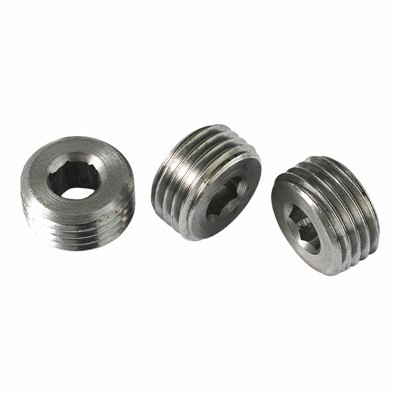
The materials used for metal shelf support pins can significantly impact their handling during installation. Common materials include carbon steel, which is known for its strength and durability. Precision CNC Machining Parts made from carbon steel are often used in the production of these pins. The precision machining ensures that the pins have accurate dimensions, which is essential for a proper fit during installation.
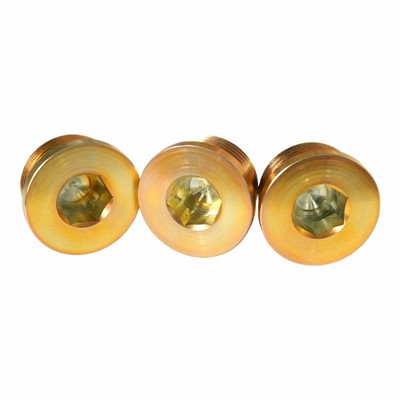
Another important aspect is the finish of the pins. Galvanized Nickel Alloy is a popular choice as it provides corrosion resistance, which is especially important in environments where the shelves may be exposed to moisture. This finish not only protects the pins but also makes them easier to handle as it reduces the risk of rust and other forms of degradation.
Factors Affecting Ease of Handling
Design and Shape
The design of metal shelf support pins plays a vital role in how easy they are to handle during installation. Pins with a simple, straightforward design are generally easier to install. For example, pins with a straight shaft and a flat head are easier to insert into the pre - drilled holes in the shelving unit compared to pins with complex shapes or multiple protrusions.
Some pins are designed with a tapered end, which makes it easier to guide them into the holes. This design feature reduces the chances of the pin getting stuck or misaligned during installation. On the other hand, pins with a rounded or irregular shape may require more effort to position correctly, especially in tight spaces.
Size and Weight
The size and weight of the pins also affect their handling. Smaller pins are generally easier to hold and manipulate, especially when working in confined areas. However, they may require more precision during installation to ensure a proper fit. Larger pins, while more stable once installed, can be more difficult to handle due to their weight and bulk.
It's important to choose the right size of pins based on the requirements of the shelving unit. Using pins that are too small may result in a weak connection, while using pins that are too large can make the installation process more challenging.
Compatibility with Shelving Units
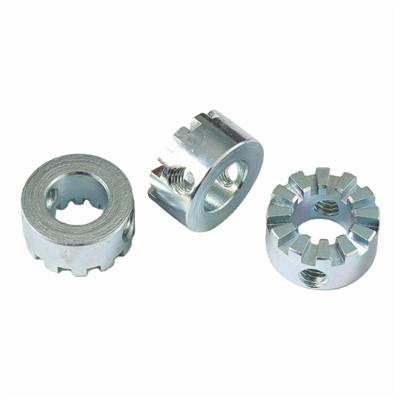
The compatibility of the metal shelf support pins with the shelving unit is crucial for easy installation. Pins that are specifically designed for a particular type of shelving unit will fit more easily and securely. For example, Precision Machined Components are engineered to meet the exact specifications of the shelving unit, ensuring a perfect fit.
If the pins are not compatible, they may not fit into the holes properly, which can lead to a frustrating installation process. This may require additional tools or modifications to the shelving unit, increasing the time and effort required for installation.
Installation Process and Handling
Preparation
Before starting the installation, it's important to prepare the work area and gather all the necessary tools. This includes measuring the holes in the shelving unit to ensure that the pins will fit correctly. Having a clear understanding of the installation process and the layout of the shelving unit can also make the handling of the pins easier.
Insertion
The actual insertion of the pins into the holes is a critical step. As mentioned earlier, the design of the pins can affect this process. Pins with a tapered end can be inserted more easily, as they can guide themselves into the holes. It's important to apply gentle pressure and ensure that the pin is straight before pushing it in.
In some cases, a mallet or a similar tool may be required to fully seat the pin. However, it's important to use the tool carefully to avoid damaging the pin or the shelving unit.
Alignment
Proper alignment of the pins is essential for the stability of the shelving unit. If the pins are not aligned correctly, the shelves may not sit level, which can lead to uneven weight distribution and potential safety hazards. This requires careful attention during the installation process and may involve adjusting the position of the pins as needed.
Real - World Experiences
Based on feedback from our customers, many find that our metal shelf support pins are relatively easy to handle during installation. The precision machining and high - quality materials ensure that the pins fit well and are durable. However, there are always some challenges, especially when dealing with complex shelving units or tight spaces.
For example, in some industrial settings where the shelving units are large and heavy, the installation process may require more than one person to handle the pins and ensure proper alignment. In these cases, the size and weight of the pins can be a factor, but with the right tools and techniques, the installation can still be completed successfully.
Conclusion
In general, metal shelf support pins can be easy to handle during installation if they are well - designed, the right size, and compatible with the shelving unit. Our company takes pride in providing high - quality Precision CNC Machining Parts and Precision Machined Components that are made from Galvanized Nickel Alloy to ensure ease of handling and long - term performance.
If you're in the market for metal shelf support pins, we invite you to contact us for a detailed discussion about your specific requirements. Our team of experts is ready to assist you in choosing the right pins for your project and providing any necessary support during the installation process.


References
- Industry standards for metal shelf support pins
- Customer feedback and case studies on installation experiences