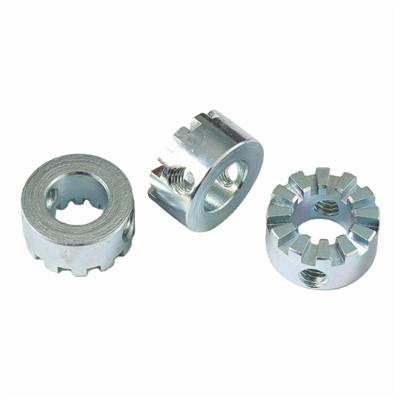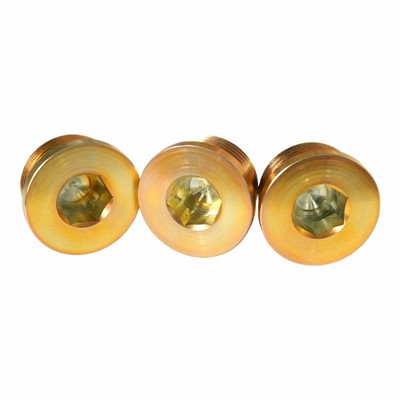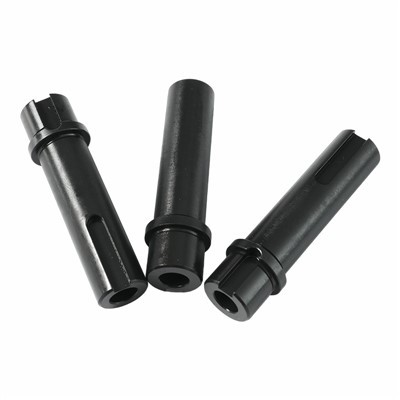

As a supplier of CNC turning steel parts, I understand the critical importance of toughness in these components. Toughness refers to a material's ability to absorb energy and deform plastically before fracturing, which is crucial for parts that are subjected to high stress, impact, or cyclic loading. In this blog, I will share several effective ways to improve the toughness of CNC turning steel parts.
1. Material Selection
The choice of steel material is the foundation for achieving high - toughness parts. Different types of steel have varying chemical compositions and microstructures, which directly affect their mechanical properties.
- Alloy Steels: Alloy steels are an excellent choice for high - toughness applications. They contain elements such as chromium (Cr), nickel (Ni), molybdenum (Mo), and vanadium (V) in addition to carbon. For example, 4140 steel, which contains chromium and molybdenum, offers good hardenability and toughness. The alloying elements can refine the grain structure of the steel, increase its strength, and improve its ability to resist crack propagation.
- Low - Carbon Steels: Low - carbon steels generally have better ductility and toughness compared to high - carbon steels. They can be easily formed and welded, making them suitable for parts that require high deformation capacity. However, their strength is relatively low. To enhance their performance, they can be heat - treated or alloyed with small amounts of other elements.
When selecting materials, it is essential to consider the specific requirements of the application, such as the load type, operating environment, and dimensional accuracy. We offer a wide range of Carbon Steel Turning Parts made from different steel grades to meet various customer needs.
2. Heat Treatment
Heat treatment is a powerful method to improve the toughness of steel parts. It can modify the microstructure of the steel, thereby enhancing its mechanical properties.
- Quenching and Tempering: Quenching involves rapidly cooling the steel from a high temperature to harden it. However, quenched steel is often brittle. Tempering is then carried out to reduce the internal stress and increase the toughness. By carefully controlling the tempering temperature and time, the balance between hardness and toughness can be achieved. For example, a medium - carbon steel can be quenched in oil and then tempered at a temperature between 400 - 600°C to obtain good toughness and strength.
- Normalizing: Normalizing is a heat treatment process where the steel is heated to a temperature above the critical point and then cooled in air. This process refines the grain structure of the steel, improving its toughness and machinability. Normalized steel is often used for parts that require good mechanical properties and dimensional stability.
3. Machining Parameters Optimization
Proper machining parameters can also contribute to the toughness of CNC turning steel parts.
- Cutting Speed: A suitable cutting speed is crucial. If the cutting speed is too high, it can generate excessive heat, which may lead to thermal damage to the part and reduce its toughness. On the other hand, if the cutting speed is too low, it can cause built - up edge formation, resulting in poor surface quality and potential stress concentration. By selecting an appropriate cutting speed based on the material and tool type, the machining process can be more stable, and the part's toughness can be maintained.
- Feed Rate and Depth of Cut: The feed rate and depth of cut also affect the machining quality and part toughness. A large feed rate or depth of cut can increase the cutting force, which may cause the part to deform plastically and introduce residual stress. By optimizing these parameters, the cutting force can be reduced, and the surface integrity of the part can be improved.
4. Surface Treatment
Surface treatment can enhance the toughness of steel parts by improving their surface properties.
- Shot Peening: Shot peening is a process where small spherical particles are bombarded onto the surface of the part. This creates compressive residual stress on the surface, which can prevent crack initiation and propagation. Compressive stress can counteract the tensile stress generated during service, thereby improving the part's fatigue resistance and toughness.
- Nitriding: Nitriding is a surface hardening process that diffuses nitrogen into the surface of the steel. It forms a hard nitride layer on the surface, which can improve the wear resistance and corrosion resistance of the part. At the same time, the nitriding process can also introduce compressive stress, enhancing the part's toughness.
5. Design Considerations
The design of the part can have a significant impact on its toughness.
- Avoiding Sharp Corners and Notches: Sharp corners and notches can cause stress concentration, which is a major factor leading to crack initiation. By rounding the corners and avoiding sharp transitions in the part design, the stress concentration can be reduced, and the part's toughness can be improved.
- Proper Wall Thickness: The wall thickness of the part should be designed appropriately. A too - thin wall may not be able to withstand the applied load, while a too - thick wall can increase the weight and cost of the part. By optimizing the wall thickness, the part can have sufficient strength and toughness.
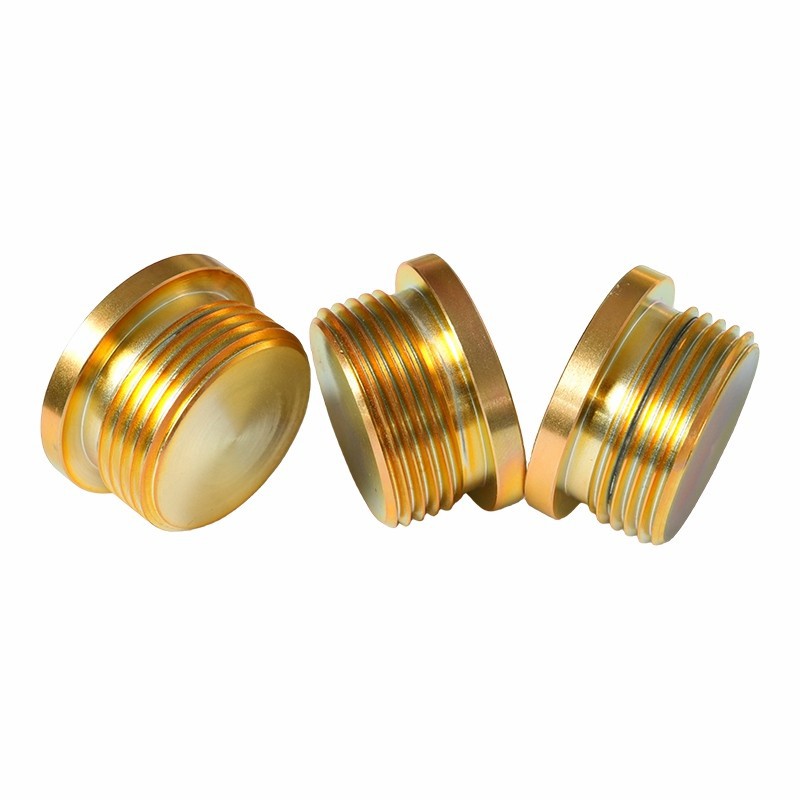
We also provide Small Turned Parts and Carbon Steel Square Spindle Bar with well - designed structures to ensure high toughness.

6. Quality Control
Strict quality control is essential to ensure the toughness of CNC turning steel parts.
- Non - Destructive Testing: Non - destructive testing methods such as ultrasonic testing, magnetic particle testing, and eddy current testing can be used to detect internal defects and surface cracks in the parts. By identifying and eliminating defective parts, the overall quality and toughness of the product can be improved.
- Mechanical Testing: Mechanical testing, including tensile testing, impact testing, and hardness testing, can be used to evaluate the mechanical properties of the parts. By regularly testing the parts, the manufacturing process can be monitored and adjusted to ensure that the parts meet the required toughness standards.
In conclusion, improving the toughness of CNC turning steel parts requires a comprehensive approach, including material selection, heat treatment, machining parameter optimization, surface treatment, design considerations, and quality control. As a professional supplier of CNC turning steel parts, we are committed to providing high - quality products with excellent toughness. If you are interested in our products or have any questions about improving the toughness of steel parts, please feel free to contact us for procurement and negotiation.
References
- ASM Handbook Volume 4: Heat Treating. ASM International.
- Machining of Metals: An Introduction to the Science and Practice. Paul DeGarmo, J T Black, Ronald Kohser.
- Steel Metallurgy for the Non - Metallurgist. George Krauss.