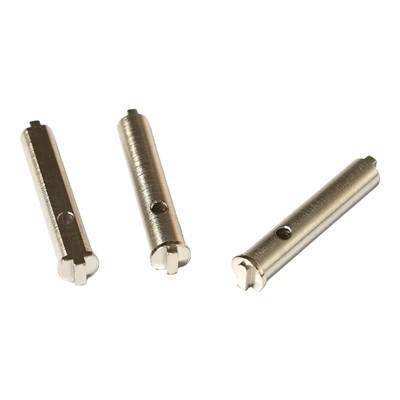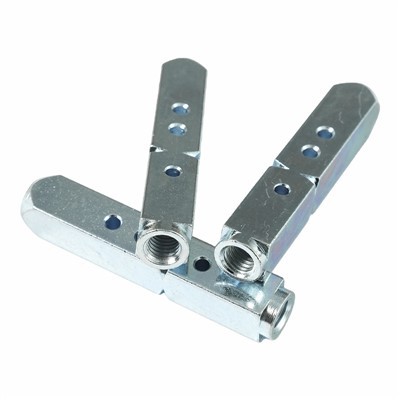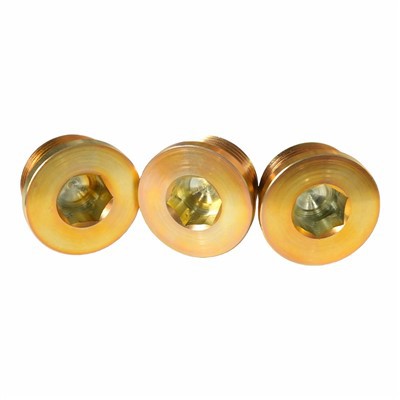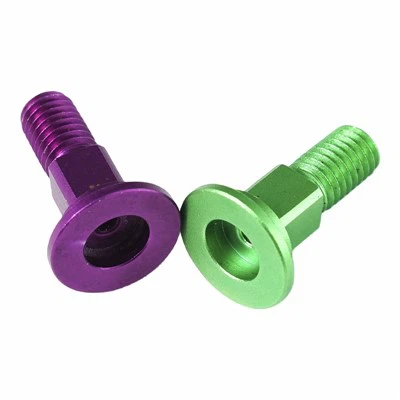

As a supplier of Precision CNC Machining Parts, I understand the critical importance of proper storage for these high - precision components. In this blog, I'll share some scientific and practical methods for storing precision CNC machining parts to ensure their quality and performance.
1. Understanding the Characteristics of Precision CNC Machining Parts
Precision CNC machining parts are typically made with high - accuracy manufacturing processes. They often have complex geometries, tight tolerances, and high surface finish requirements. These parts can be made from a variety of materials, such as metals (e.g., steel, aluminum), plastics, and ceramics. Each material has its own unique properties that need to be considered during storage.
For example, metal parts are prone to corrosion, especially in humid environments. Aluminum parts can develop a thin oxide layer over time, which may affect their appearance and performance if not properly managed. Plastic parts can be sensitive to temperature and UV light, which can cause them to warp or degrade.
2. Environmental Considerations
Temperature and Humidity
Maintaining a stable temperature and humidity level is crucial for storing precision CNC machining parts. Extreme temperatures can cause thermal expansion or contraction, which may lead to dimensional changes in the parts. High humidity can accelerate corrosion, especially for metal parts.
It is recommended to store parts in an environment with a temperature range of 20 - 25°C (68 - 77°F) and a relative humidity of 40 - 60%. This can be achieved by using climate - controlled storage facilities, such as warehouses with air - conditioning and dehumidifiers.
Dust and Contamination
Dust and other contaminants can damage the surface of precision parts. Even small particles can scratch the surface, affect the fit of mating parts, or cause functional problems. To prevent dust and contamination, parts should be stored in clean, enclosed containers or cabinets. It's also a good practice to use dust covers or protective packaging for individual parts.
Light Exposure
Some materials, especially plastics, are sensitive to light. Prolonged exposure to UV light can cause discoloration, embrittlement, and a decrease in mechanical properties. Therefore, parts should be stored in a dark or low - light environment, or use light - blocking packaging materials.
3. Storage Methods
Shelving and Racking
Proper shelving and racking systems are essential for organized storage. Shelves should be sturdy and level to prevent parts from shifting or falling. Racks can be used to store larger parts or parts with irregular shapes. It's important to label each shelf or rack clearly to identify the parts stored there.
Packaging
Appropriate packaging is crucial for protecting precision CNC machining parts during storage. Different types of packaging materials can be used depending on the part's material, shape, and size.
- Plastic Bags: For small parts, plastic bags can provide a simple and cost - effective way to protect them from dust and moisture. Anti - static plastic bags are recommended for parts that are sensitive to electrostatic discharge.
- Foam Inserts: Foam inserts can be used to cushion parts and prevent them from moving around in the packaging. They are especially useful for fragile or delicate parts.
- Custom - Made Containers: For larger or more complex parts, custom - made containers can be designed to fit the specific shape of the part. These containers can provide better protection and organization.
4. Handling and Storage of Specific Parts
Door Lock Square Spindle
The Door Lock Square Spindle is a common precision CNC machining part. It is usually made of carbon steel and has specific dimensional requirements. When storing this part, it should be protected from rust and mechanical damage. Using anti - rust coatings or storing it in a dry environment with a desiccant can help prevent corrosion.
CNC Precision Machined Parts
CNC Precision Machined Parts often have tight tolerances and high surface finish. They should be stored in a clean and vibration - free environment. Avoid stacking parts on top of each other to prevent scratching or deformation.
Precision Machined Components
Precision Machined Components can vary widely in terms of material and shape. For components made of different materials, such as steel and aluminum, they should be stored separately to prevent galvanic corrosion. If the components have mating surfaces, they should be protected to ensure proper fit and function.
5. Inventory Management
Proper inventory management is also an important aspect of storing precision CNC machining parts. Keeping track of the parts in stock, their storage locations, and their usage history can help ensure efficient storage and retrieval.
- FIFO (First - In, First - Out) Principle: Implementing the FIFO principle can help prevent parts from being stored for too long, which may lead to degradation.
- Regular Inspections: Regularly inspecting the stored parts can help detect any signs of damage, corrosion, or other issues early. This allows for timely corrective actions to be taken.
6. Conclusion and Call to Action
Proper storage of precision CNC machining parts is essential for maintaining their quality and performance. By following the guidelines mentioned above, you can ensure that your parts are well - protected and ready for use when needed.

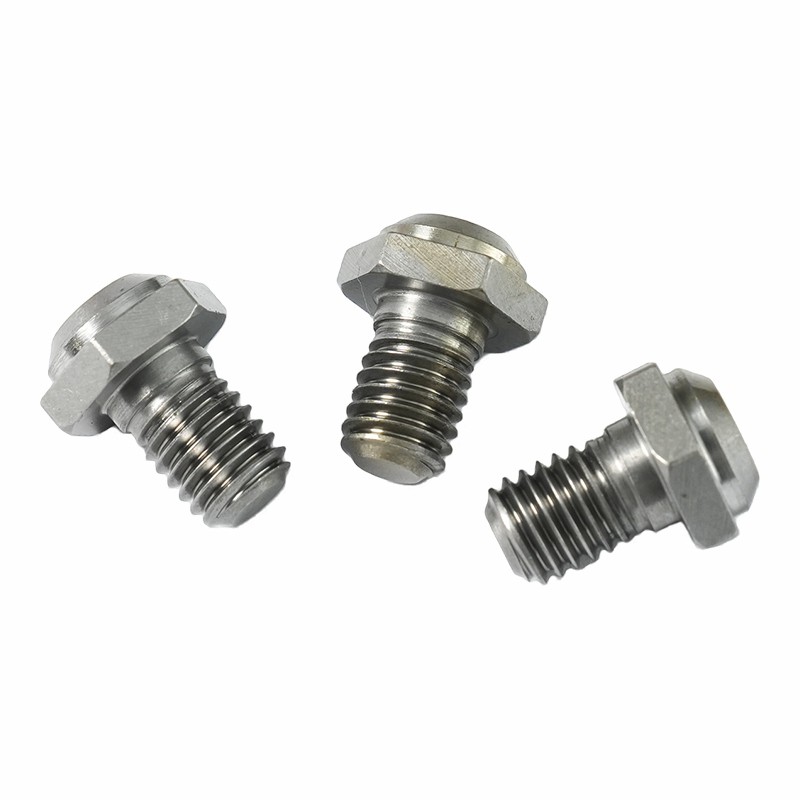
As a supplier of Precision CNC Machining Parts, we are committed to providing high - quality products and professional advice on storage and handling. If you are interested in purchasing our precision CNC machining parts or need more information about their storage and usage, please feel free to contact us for further discussion. We look forward to working with you and helping you meet your precision machining needs.
References
- "Precision Manufacturing Handbook" by John Doe
- "Materials Science and Engineering for Precision Components" by Jane Smith