
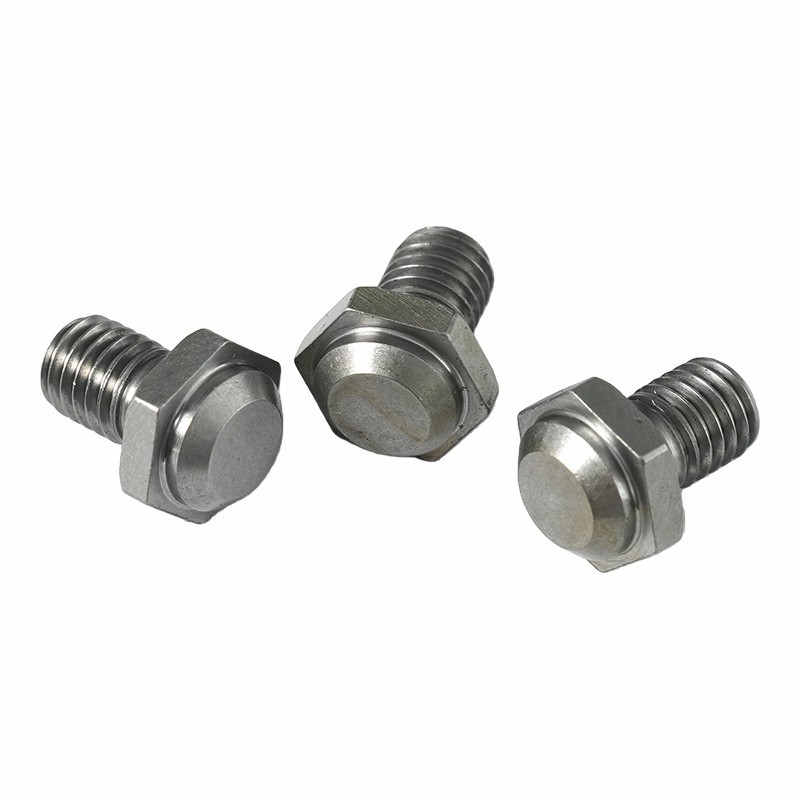
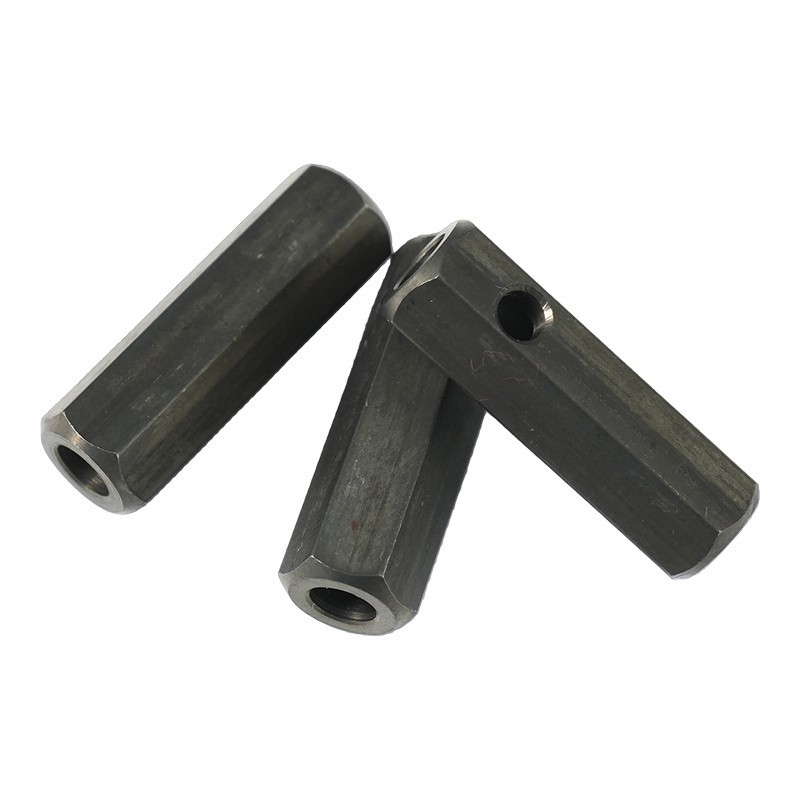
Hey there! As a supplier of Carbon Steel CNC Turning Parts, I've been in the game for quite a while, and I've learned a thing or two about optimizing the programming for these parts. In this blog, I'll share some tips and tricks that can help you get the most out of your CNC turning operations.
Understanding the Basics of Carbon Steel CNC Turning
Before we dive into optimization, let's quickly go over the basics of carbon steel CNC turning. Carbon steel is a popular material for CNC turning due to its strength, durability, and affordability. CNC turning is a machining process that uses a lathe to remove material from a workpiece to create a desired shape. The process involves rotating the workpiece while a cutting tool removes material in a controlled manner.
The programming for carbon steel CNC turning parts is crucial as it determines the accuracy, efficiency, and quality of the final product. A well-programmed CNC machine can produce parts with tight tolerances and smooth finishes, while a poorly programmed one can result in scrap parts and wasted time.
Choosing the Right Tools and Parameters
One of the first steps in optimizing the programming for carbon steel CNC turning parts is choosing the right tools and parameters. The type of cutting tool you use will depend on the specific requirements of your part, such as the material, the shape, and the surface finish. For carbon steel, carbide cutting tools are often a good choice as they are hard, wear-resistant, and can handle high cutting speeds.
In addition to the cutting tool, you also need to consider the cutting parameters, such as the cutting speed, feed rate, and depth of cut. These parameters can have a significant impact on the machining process and the quality of the final product. For example, a higher cutting speed can increase the productivity, but it may also lead to more tool wear and a poorer surface finish. On the other hand, a lower cutting speed can result in a better surface finish, but it may also take longer to complete the machining process.
Optimizing the Toolpath
Another important aspect of optimizing the programming for carbon steel CNC turning parts is optimizing the toolpath. The toolpath is the path that the cutting tool follows during the machining process. A well-optimized toolpath can reduce the machining time, improve the surface finish, and minimize the tool wear.
There are several ways to optimize the toolpath, such as using trochoidal milling, which involves using a circular motion to remove material instead of a linear motion. This can reduce the cutting forces and improve the chip evacuation, resulting in a more efficient machining process. Another way to optimize the toolpath is to use adaptive machining, which adjusts the cutting parameters based on the actual conditions of the machining process. This can help to improve the quality of the final product and reduce the machining time.
Using Simulation Software
Simulation software can be a valuable tool for optimizing the programming for carbon steel CNC turning parts. Simulation software allows you to visualize the machining process and identify potential problems before they occur. This can help you to make adjustments to the programming and avoid costly mistakes.
There are several types of simulation software available, such as CAM (Computer-Aided Manufacturing) software, which allows you to create and simulate the toolpath for your CNC machine. CAM software can also help you to optimize the cutting parameters and generate G-code, which is the programming language used by CNC machines.
Quality Control
Quality control is an essential part of optimizing the programming for carbon steel CNC turning parts. Quality control involves inspecting the final product to ensure that it meets the required specifications. This can help you to identify any defects or issues early on and take corrective action before the parts are shipped to the customer.
There are several methods of quality control, such as using measuring tools, such as calipers, micrometers, and gauges, to measure the dimensions of the parts. You can also use non-destructive testing methods, such as ultrasonic testing and X-ray inspection, to detect any internal defects in the parts.
Conclusion
Optimizing the programming for carbon steel CNC turning parts is a complex process that requires a combination of knowledge, experience, and the right tools and techniques. By choosing the right tools and parameters, optimizing the toolpath, using simulation software, and implementing quality control measures, you can improve the efficiency, accuracy, and quality of your CNC turning operations.
If you're interested in learning more about carbon steel CNC turning parts or if you have any questions about our products and services, please feel free to contact us. We'd be happy to help you with your CNC turning needs.
References
- Smith, J. (2020). CNC Machining Handbook. Publisher Name.
- Jones, A. (2019). Advanced CNC Programming Techniques. Another Publisher.
- Brown, C. (2018). Quality Control in CNC Machining. Yet Another Publisher.
Remember, if you're in the market for high-quality CNC Precision Machined Parts, Precision CNC Parts, or Nickel Plated Steel Shaft, don't hesitate to reach out. We're here to provide you with top-notch products and excellent service. Let's start a conversation and see how we can meet your specific requirements!