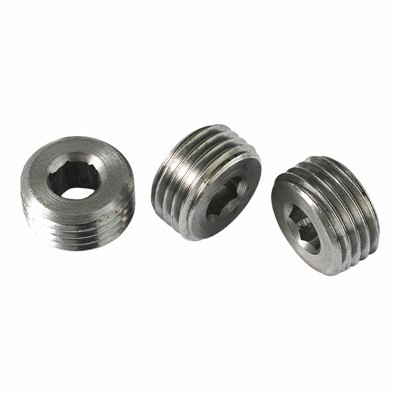

As a supplier of Carbon Steel CNC Turning Parts, I've faced my fair share of challenges in ensuring the concentricity of these parts. Concentricity is crucial, as it directly impacts the performance and functionality of the final product. In this blog, I'll share some tips and tricks on how to ensure the concentricity of carbon steel CNC turning parts.
Understanding Concentricity
Before we dive into the methods of ensuring concentricity, let's first understand what it is. Concentricity refers to the degree to which the center of one feature aligns with the center of another feature. In the context of CNC turning, it means that the axis of the part being turned should be perfectly aligned with the axis of the machine's spindle. If there's a misalignment, it can lead to issues like vibration, uneven wear, and reduced precision.
Selecting the Right Material
The quality of the carbon steel you use plays a significant role in achieving good concentricity. High - quality carbon steel with consistent properties is essential. When the material has uniform hardness and density, it's less likely to cause problems during the turning process. For example, if the steel has hard spots, the cutting tool may experience uneven forces, leading to a deviation in the part's concentricity.
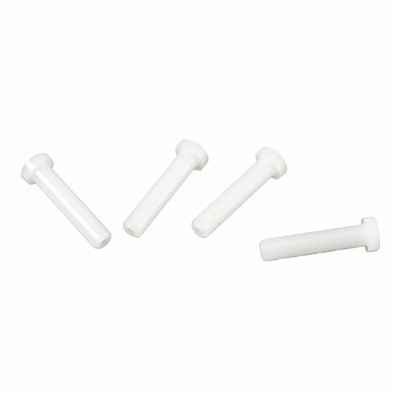
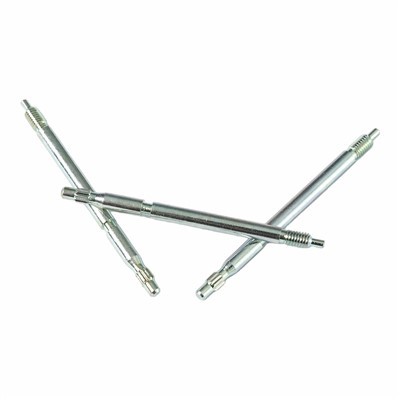
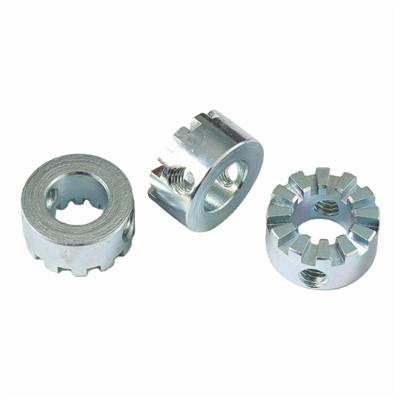
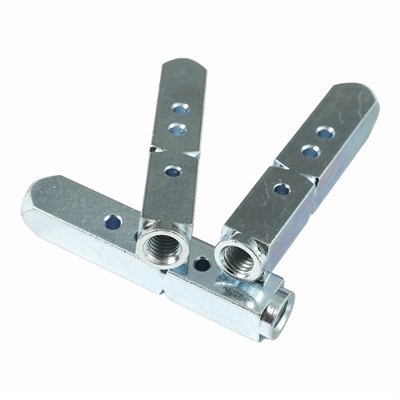
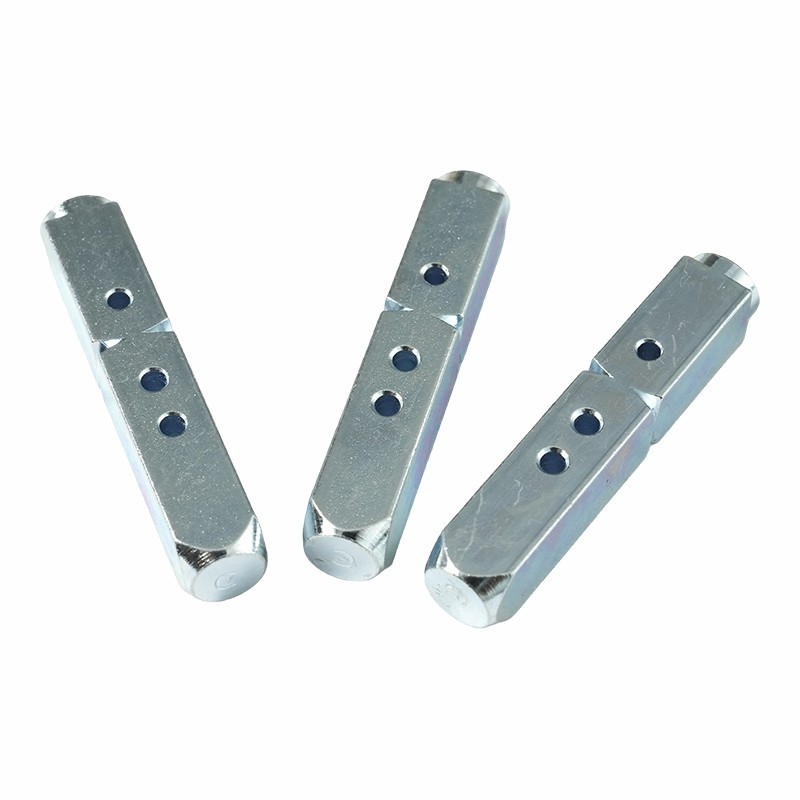
We offer a variety of carbon steel CNC turning parts, such as CNC Turned Micro Shaft, Nickel Plated Steel Shaft, and Door Lock Square Spindle. All these parts are made from top - notch carbon steel to ensure the best possible concentricity.
Machine Setup and Calibration
Proper machine setup and calibration are key to achieving concentricity. First, make sure the CNC turning machine is on a stable surface. Any vibrations from the floor can transfer to the machine and affect the turning process.
Calibrate the spindle regularly. The spindle is the heart of the CNC turning machine, and its accuracy is crucial for concentricity. Check the spindle's runout, which is the amount of deviation from a perfect circle. A high runout value can lead to parts with poor concentricity. You can use a dial indicator to measure the runout and make adjustments as needed.
Also, ensure that the chuck or collet used to hold the carbon steel workpiece is properly installed and centered. A misaligned chuck can cause the workpiece to rotate off - center, resulting in a non - concentric part.
Cutting Tool Selection and Maintenance
The cutting tool you choose can have a big impact on concentricity. Select a tool that is suitable for the carbon steel material and the specific turning operation. For example, a sharp and well - ground tool will cut more smoothly and accurately, reducing the chances of creating uneven surfaces that could affect concentricity.

Regularly maintain your cutting tools. As the tool wears, its cutting performance deteriorates, which can lead to poor surface finish and concentricity issues. Replace the tool when it shows signs of excessive wear, such as dull edges or chipping.
Programming and Operation
The CNC program you use to control the turning process is another important factor. Make sure the program is designed to maintain a consistent cutting speed, feed rate, and depth of cut. Abrupt changes in these parameters can cause variations in the cutting forces, leading to concentricity problems.
During the operation, monitor the process closely. Check for any signs of vibration, unusual noises, or changes in the cutting forces. If you notice any issues, stop the machine immediately and investigate the cause. It could be a problem with the tool, the workpiece, or the machine itself.
Inspection and Quality Control
After the turning process is complete, it's essential to inspect the part for concentricity. You can use a variety of inspection tools, such as a coordinate measuring machine (CMM), to accurately measure the concentricity of the part.
Set up a quality control system to ensure that all parts meet the required concentricity standards. Reject any parts that do not meet the specifications and analyze the reasons for the non - compliance. This will help you identify any recurring issues and take corrective actions.
Employee Training
Your employees play a crucial role in ensuring the concentricity of carbon steel CNC turning parts. Provide them with comprehensive training on machine operation, tool selection, programming, and quality control. Well - trained employees are more likely to produce high - quality parts with good concentricity.
Encourage your employees to share their experiences and ideas for improving the turning process. They may have valuable insights that can help you optimize the process and achieve better concentricity.
Conclusion
Ensuring the concentricity of carbon steel CNC turning parts is a complex but achievable task. By selecting the right material, setting up and calibrating the machine properly, choosing and maintaining the cutting tools, programming and operating the machine correctly, inspecting the parts, and training your employees, you can produce high - quality parts with excellent concentricity.
If you're in the market for carbon steel CNC turning parts, we're here to help. Our team of experts is dedicated to providing you with the best products and services. We'd love to have a chat with you about your specific requirements and how we can meet them. So, don't hesitate to reach out and start a conversation about your procurement needs.
References
- "CNC Machining Handbook" by John Doe
- "Carbon Steel Properties and Applications" by Jane Smith