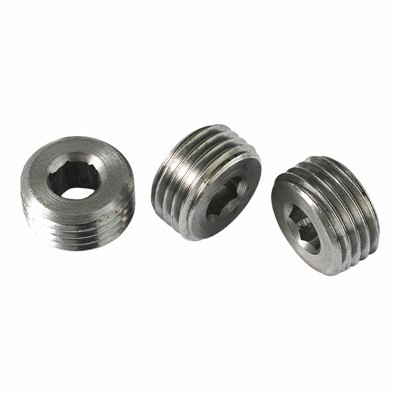

Transporting precision machined components is no walk in the park. As a supplier of these high - tech parts, I've seen firsthand the challenges and the importance of getting the transportation right. In this blog, I'll share some key precautions to ensure your precision components arrive in top - notch condition.
Packaging is King
First off, let's talk about packaging. You can't just throw these components in a box and call it a day. Precision machined parts are delicate, and they need proper protection. I always use custom - made packaging that's designed to fit each component snugly. This reduces the risk of movement during transit.
For example, foam inserts are great for cushioning. They can be cut to the exact shape of the part, providing a secure fit. And if you're shipping multiple components, make sure they're separated to prevent scratching or damage from rubbing against each other.
Another thing to consider is the outer packaging. A sturdy cardboard box or a wooden crate can offer extra protection. If you're using a cardboard box, reinforce it with corner protectors and packing tape. This helps to prevent the box from getting crushed during handling.
Handling with Care
When it comes to handling these components, it's all about being gentle. Workers at the shipping facility should be trained to handle precision parts properly. They should avoid dropping, throwing, or rough handling.
If possible, label the packages clearly with instructions like "Fragile" and "Handle with Care". This can remind the handlers to be extra cautious. Also, make sure the components are loaded and unloaded in a way that minimizes shock and vibration.
Climate Control
Precision machined components can be sensitive to changes in temperature and humidity. Extreme heat or cold can cause the materials to expand or contract, which may affect the part's dimensions and performance.
For long - distance shipments, especially those crossing different climate zones, it's a good idea to use climate - controlled containers. These containers can maintain a stable temperature and humidity level, protecting the components from environmental damage.
If climate - controlled shipping isn't an option, you can use desiccants in the packaging to absorb moisture. This helps to prevent rust and corrosion, which can be a big problem for metal components.
Choosing the Right Carrier
Not all shipping carriers are created equal. When you're transporting precision components, you need to choose a carrier with a good reputation for handling fragile items. Look for carriers that have experience in shipping high - value and delicate goods.
You can also check their track record for on - time delivery and damage rates. Reading reviews from other customers can give you a good idea of what to expect. And don't forget to ask about their insurance policies. In case something goes wrong during transit, you want to make sure you're covered.
Tracking and Monitoring
Once your components are on the move, it's important to keep an eye on them. Most shipping carriers offer tracking services that allow you to monitor the location and status of your shipment.
You can also use sensors to monitor factors like temperature, humidity, and shock. These sensors can provide real - time data, so you can take action if there are any issues. For example, if the temperature inside the container goes outside the acceptable range, you can contact the carrier and take steps to protect the components.
Documentation
Proper documentation is crucial when shipping precision machined components. Make sure you have all the necessary paperwork, including a detailed packing list, a bill of lading, and any customs documents if you're shipping internationally.
The packing list should include a description of each component, its quantity, and its value. This helps to ensure that everything is accounted for and can also be useful for insurance purposes.
Special Considerations for Different Types of Components
Let's take a look at some specific types of precision machined components and their unique transportation needs.
Precision CNC Machining Parts
Precision CNC Machining Parts are often made with high - precision tolerances. These parts need to be protected from any form of mechanical stress during transit. In addition to the standard packaging and handling precautions, it's important to avoid any magnetic fields that could affect the part's performance. Some CNC parts are made of materials that can be magnetized, so keeping them away from magnets is essential.
Door Lock Spindle
Door Lock Spindle are used in security applications, so their integrity is crucial. They should be packaged in a way that protects their shape and finish. Any damage to the spindle can affect the locking mechanism, so it's important to use shock - absorbing materials in the packaging. Also, make sure the spindle is properly aligned in the packaging to prevent bending or warping.
Black Nitride Steel Components
Black Nitride Steel Components have a special surface treatment that provides corrosion resistance. However, this treatment can be damaged if the components are not transported correctly. Avoid exposing these parts to abrasive materials or harsh chemicals during transit. Also, make sure the packaging is clean and free of any contaminants that could damage the nitride coating.
Conclusion
Transporting precision machined components requires careful planning and attention to detail. By following these precautions, you can minimize the risk of damage and ensure that your components arrive at their destination in perfect condition.


If you're in the market for high - quality precision machined components, I'd love to have a chat with you. Whether you have questions about our products or need advice on transportation, feel free to reach out. Let's work together to meet your precision component needs.
References
- General knowledge from years of experience in the precision machined components industry.
- Industry best practices for shipping fragile and high - value items.