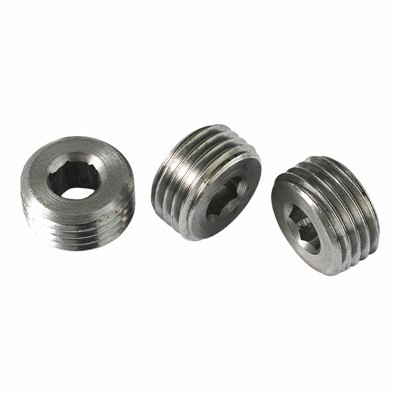

In the realm of CNC precision machining, achieving high straightness in machined parts is crucial for ensuring the quality and functionality of the final products. As a dedicated CNC Precision Machined Parts supplier, I understand the significance of straightness and have accumulated valuable insights and techniques over the years. In this blog, I will share some effective strategies on how to improve the straightness of CNC precision machined parts.
Understanding the Importance of Straightness
Straightness is a fundamental geometric characteristic that refers to the degree to which an element of a part is straight. In many applications, such as automotive, aerospace, and medical devices, even the slightest deviation from straightness can lead to significant performance issues. For example, in a Door Lock Square Spindle, a lack of straightness can cause the lock to jam or malfunction. Similarly, in a Door Lock Spindle, poor straightness can affect the smooth operation of the lock mechanism. Therefore, maintaining high straightness is essential for ensuring the proper functioning of these parts.
Factors Affecting Straightness
Several factors can influence the straightness of CNC precision machined parts. Understanding these factors is the first step in improving straightness.
Material Selection
The choice of material plays a significant role in determining the straightness of machined parts. Some materials are more prone to warping or distortion during machining due to their internal stresses or thermal properties. For instance, Galvanized Nickel Alloy may have different machining characteristics compared to other materials. When selecting materials, it is important to consider their stability, hardness, and thermal expansion coefficient. High-quality materials with low internal stresses are generally more suitable for achieving high straightness.


Machine Tool Accuracy
The accuracy of the CNC machine tool is another critical factor. A machine with poor alignment, worn-out components, or inaccurate positioning can introduce errors in the machining process, leading to deviations in straightness. Regular maintenance and calibration of the machine tool are essential to ensure its accuracy. This includes checking and adjusting the linear guides, ball screws, and spindle alignment. Additionally, using high-precision machine tools with advanced control systems can significantly improve the straightness of machined parts.
Cutting Parameters
The cutting parameters, such as cutting speed, feed rate, and depth of cut, can also affect the straightness of the parts. Improper cutting parameters can cause excessive cutting forces, vibrations, and heat generation, which can lead to deformation of the workpiece. For example, a high cutting speed may result in increased tool wear and chatter, while a large depth of cut can cause the workpiece to deflect. It is important to optimize the cutting parameters based on the material, tool, and machine characteristics to minimize these effects and achieve better straightness.
Fixturing and Workholding
Proper fixturing and workholding are essential for maintaining the straightness of the workpiece during machining. A poorly designed or installed fixture can cause the workpiece to shift or deform, resulting in inaccurate machining. The fixture should provide sufficient support and clamping force to hold the workpiece firmly in place without causing excessive deformation. Additionally, the fixture should be aligned accurately with the machine tool to ensure that the machining operations are performed in the correct position.
Strategies to Improve Straightness
Based on the above factors, here are some strategies that can be employed to improve the straightness of CNC precision machined parts.
Material Preparation
Before machining, it is important to prepare the material properly. This may include stress relieving, annealing, or normalizing the material to reduce internal stresses. Stress relieving can be achieved by heating the material to a specific temperature and holding it for a certain period of time, followed by slow cooling. This process helps to eliminate the residual stresses in the material, reducing the likelihood of warping or distortion during machining.
Machine Tool Maintenance and Calibration
Regular maintenance and calibration of the CNC machine tool are crucial for ensuring its accuracy. This includes cleaning and lubricating the machine components, checking and adjusting the alignment of the linear guides and ball screws, and calibrating the spindle. By maintaining the machine tool in good condition, the accuracy of the machining operations can be improved, leading to better straightness of the parts.
Optimization of Cutting Parameters
The cutting parameters should be optimized based on the material, tool, and machine characteristics. This can be done through trial and error or by using advanced machining simulation software. By selecting the appropriate cutting speed, feed rate, and depth of cut, the cutting forces and vibrations can be minimized, reducing the risk of deformation and improving the straightness of the parts.
Use of High-Precision Tools
Using high-precision cutting tools can significantly improve the straightness of the machined parts. High-quality tools with sharp cutting edges and accurate geometries can provide better cutting performance and reduce the likelihood of tool wear and chatter. Additionally, using tools with appropriate coatings can enhance the tool life and improve the surface finish of the parts.
Advanced Machining Techniques
Advanced machining techniques, such as multi-axis machining and high-speed machining, can also be used to improve the straightness of the parts. Multi-axis machining allows for more complex machining operations, enabling the production of parts with higher precision and better straightness. High-speed machining can reduce the cutting time and minimize the heat generation, which can help to prevent deformation of the workpiece.
Quality Control and Inspection
Implementing a comprehensive quality control and inspection system is essential for ensuring the straightness of the machined parts. This includes using precision measuring instruments, such as coordinate measuring machines (CMMs) and laser scanners, to measure the straightness of the parts. By regularly inspecting the parts during and after machining, any deviations from the required straightness can be detected and corrected in a timely manner.
Conclusion
Improving the straightness of CNC precision machined parts is a complex process that requires a combination of proper material selection, machine tool accuracy, optimized cutting parameters, and effective quality control. As a CNC Precision Machined Parts supplier, we are committed to providing high-quality parts with excellent straightness. By implementing the strategies outlined in this blog, we can ensure that our customers receive parts that meet their strict requirements.
If you are in need of high-precision CNC machined parts with excellent straightness, we invite you to contact us for a detailed discussion. Our team of experts is ready to assist you in finding the best solutions for your specific needs.
References
- Smith, J. (2018). CNC Machining Handbook. Industrial Press.
- Brown, A. (2019). Precision Machining Technology. McGraw-Hill Education.
- Jones, R. (2020). Advanced Machining Processes. CRC Press.