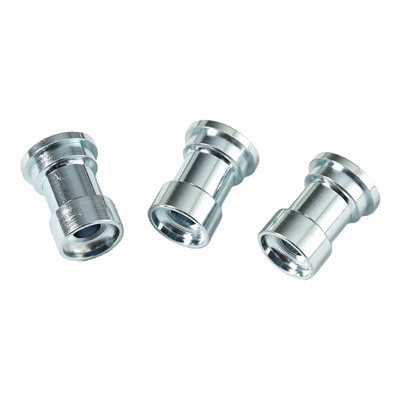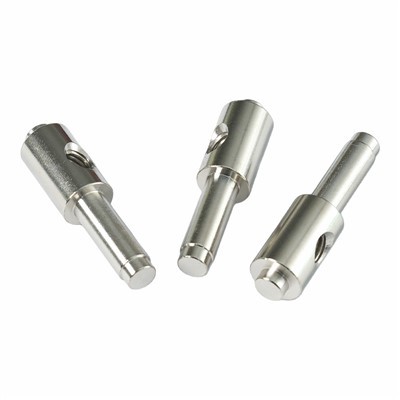

What is the magnetic permeability of a nickel plated steel shaft?
As a supplier of nickel plated steel shafts, I often get asked about the magnetic permeability of these components. Magnetic permeability is a crucial property when it comes to the performance of steel shafts in various applications, especially those involving magnetic fields.
Understanding Magnetic Permeability
Magnetic permeability, denoted by the Greek letter μ, is a measure of how easily a magnetic field can pass through a material. It is defined as the ratio of the magnetic flux density (B) to the magnetic field strength (H) within a material, i.e., μ = B/H. Materials with high magnetic permeability can enhance the magnetic field within them, while those with low permeability impede the magnetic field.
In the context of a nickel plated steel shaft, the magnetic permeability is influenced by both the base steel material and the nickel plating. Steel is generally a ferromagnetic material, which means it has a relatively high magnetic permeability. Ferromagnetic materials contain magnetic domains that can align with an external magnetic field, resulting in a significant increase in the magnetic flux density within the material.
The Role of Nickel Plating
Nickel is also a ferromagnetic material, but its magnetic properties are different from those of steel. When a steel shaft is plated with nickel, the nickel layer can affect the overall magnetic permeability of the shaft. The thickness of the nickel plating, as well as its composition and microstructure, can all play a role in determining the magnetic behavior of the shaft.
One of the main benefits of nickel plating is its corrosion resistance. It provides a protective layer that prevents the steel shaft from rusting and deteriorating over time. However, in terms of magnetic properties, the nickel layer can act as a magnetic shield to some extent. This is because nickel has a lower magnetic permeability compared to steel. As a result, the magnetic field lines may be redirected around the nickel layer, reducing the magnetic flux density within the steel core.
Applications and Considerations
The magnetic permeability of a nickel plated steel shaft is important in many applications. For example, in electrical motors and generators, the magnetic properties of the shaft can affect the efficiency and performance of the device. A shaft with high magnetic permeability can help to increase the magnetic flux density, which in turn can improve the power output of the motor or generator.
In magnetic sensors and actuators, the magnetic permeability of the shaft can also play a crucial role. The ability of the shaft to conduct and respond to magnetic fields can determine the sensitivity and accuracy of the sensor or actuator.
When selecting a nickel plated steel shaft for a specific application, it is important to consider the magnetic requirements. If high magnetic permeability is needed, the base steel material and the thickness of the nickel plating should be carefully chosen. In some cases, it may be necessary to use a special type of steel or a specific nickel plating process to achieve the desired magnetic properties.
Our Offerings
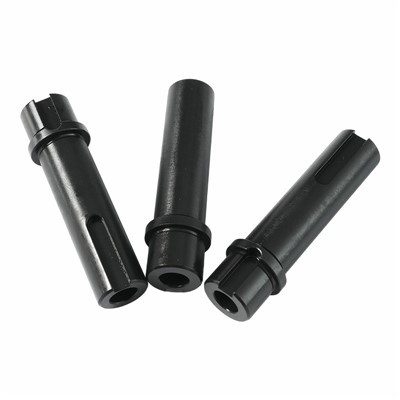
As a supplier of nickel plated steel shafts, we offer a wide range of products to meet the diverse needs of our customers. Our shafts are made from high-quality steel and are plated with nickel using advanced plating techniques to ensure excellent corrosion resistance and magnetic properties.
We also provide custom machining services to produce shafts with specific dimensions and magnetic characteristics. Whether you need a standard shaft or a custom-designed one, we can work with you to meet your requirements.
If you are interested in our Metal Shelf Support Pin, Black Nitride Steel Components, or CNC Precision Machined Parts, please feel free to contact us for more information. We are committed to providing high-quality products and excellent customer service.
Conclusion
In conclusion, the magnetic permeability of a nickel plated steel shaft is a complex property that is influenced by the base steel material, the nickel plating, and the specific application. Understanding the magnetic behavior of these shafts is essential for optimizing their performance in various applications. As a supplier, we are dedicated to providing our customers with high-quality nickel plated steel shafts that meet their magnetic and mechanical requirements. If you have any questions or need further information, please do not hesitate to contact us. We look forward to working with you.
References
- Cullity, B. D., & Graham, C. D. (2008). Introduction to Magnetic Materials. Wiley-IEEE Press.
- Bozorth, R. M. (1951). Ferromagnetism. Van Nostrand.
- O’Handley, R. C. (2000). Modern Magnetic Materials: Principles and Applications. Wiley.