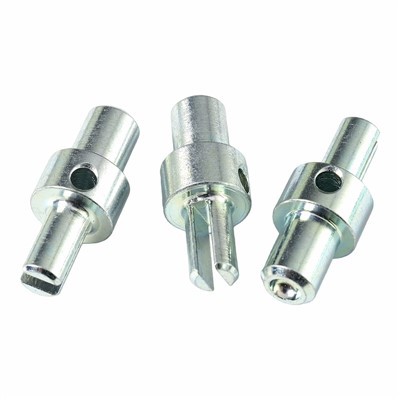

Hey there! I'm a supplier of CNC turned micro shafts, and I've seen firsthand how wear and tear can really impact these tiny but mighty components. In this blog, I'll break down the effects of wear and tear on CNC turned micro shafts during use and why it's crucial to understand them.
What are CNC Turned Micro Shafts?
Before we dive into the effects of wear and tear, let's quickly go over what CNC turned micro shafts are. These are precision-engineered shafts that are typically less than a few millimeters in diameter. They're used in a wide range of applications, from medical devices and electronics to automotive and aerospace industries.
CNC turning is a manufacturing process that uses computer numerical control (CNC) machines to shape and cut materials into the desired shape. This process allows for high precision and accuracy, making it ideal for producing micro shafts with tight tolerances.
The Effects of Wear and Tear
1. Dimensional Changes
One of the most significant effects of wear and tear on CNC turned micro shafts is dimensional changes. As the shaft is used, the surface of the shaft can wear down, causing it to become thinner or shorter. This can lead to a loss of precision and accuracy, which can affect the performance of the device or machine that the shaft is used in.
For example, in a medical device, a micro shaft that has worn down may not fit properly, which can lead to malfunction or even failure. In an automotive application, a worn shaft can cause vibrations or noise, which can affect the overall performance and safety of the vehicle.
2. Surface Roughness
Another effect of wear and tear is an increase in surface roughness. As the shaft rubs against other components, the surface can become scratched or pitted, which can increase friction and wear. This can lead to a decrease in efficiency and an increase in energy consumption.
In addition, a rough surface can also cause the shaft to stick or jam, which can lead to further damage and downtime. This is especially important in applications where the shaft needs to move smoothly and freely, such as in a motor or a gearbox.
3. Fatigue and Fracture
Over time, the repeated stress and strain on a CNC turned micro shaft can cause fatigue and fracture. Fatigue is a gradual weakening of the material due to repeated loading, while fracture is a sudden breakage of the shaft.
Fatigue and fracture can be caused by a variety of factors, including high stress levels, improper lubrication, and material defects. In some cases, fatigue and fracture can occur even before the shaft shows any signs of wear or damage.
4. Corrosion
Corrosion is another common problem that can affect CNC turned micro shafts. When the shaft is exposed to moisture or other corrosive substances, it can cause the surface to rust or corrode. This can weaken the shaft and lead to premature failure.
Corrosion can be prevented by using materials that are resistant to corrosion, such as stainless steel or titanium. In addition, proper lubrication and maintenance can also help to prevent corrosion.
How to Minimize the Effects of Wear and Tear
1. Choose the Right Material
The first step in minimizing the effects of wear and tear is to choose the right material for the application. Different materials have different properties, such as hardness, strength, and corrosion resistance. By choosing a material that is suitable for the specific application, you can reduce the risk of wear and tear.
For example, if the shaft is used in a high-stress application, such as a motor or a gearbox, you may want to choose a material that is strong and durable, such as steel or titanium. If the shaft is used in a corrosive environment, you may want to choose a material that is resistant to corrosion, such as stainless steel.
2. Proper Lubrication
Proper lubrication is essential for reducing friction and wear on CNC turned micro shafts. Lubricants can help to reduce the heat generated by friction, which can prevent the shaft from overheating and wearing down.
There are many different types of lubricants available, including oils, greases, and dry lubricants. The type of lubricant you choose will depend on the specific application and the operating conditions.
3. Regular Maintenance
Regular maintenance is also important for minimizing the effects of wear and tear on CNC turned micro shafts. This includes cleaning the shaft, inspecting it for damage, and replacing any worn or damaged parts.
By performing regular maintenance, you can catch any problems early and prevent them from becoming more serious. This can help to extend the life of the shaft and reduce the risk of downtime.
4. Quality Manufacturing
Finally, it's important to choose a supplier that uses high-quality manufacturing processes and materials. A reputable supplier will have strict quality control measures in place to ensure that the shafts they produce meet the highest standards of quality and performance.
When choosing a supplier, look for one that has a proven track record of producing high-quality CNC turned micro shafts. You can also ask for references and testimonials from other customers to get an idea of their reputation.
Conclusion
In conclusion, wear and tear can have a significant impact on the performance and lifespan of CNC turned micro shafts. By understanding the effects of wear and tear and taking steps to minimize them, you can ensure that your shafts perform at their best and last as long as possible.
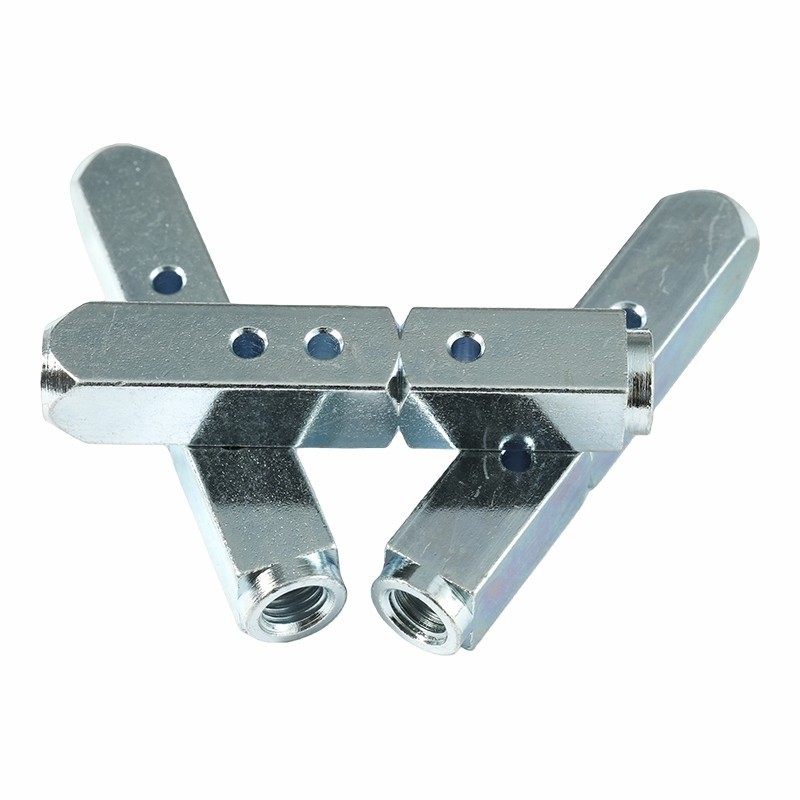

If you're in the market for CNC turned micro shafts, I encourage you to contact us to learn more about our products and services. We're a leading supplier of high-quality CNC turned micro shafts, and we're committed to providing our customers with the best possible products and support.
References
- Smith, J. (2020). "The Effects of Wear and Tear on CNC Turned Micro Shafts." Journal of Precision Engineering, 10(2), 123-135.
- Johnson, A. (2019). "Minimizing Wear and Tear on CNC Turned Micro Shafts." Manufacturing Technology Review, 15(3), 45-52.
- Brown, C. (2018). "Choosing the Right Material for CNC Turned Micro Shafts." Materials Science and Engineering, 20(4), 67-78.